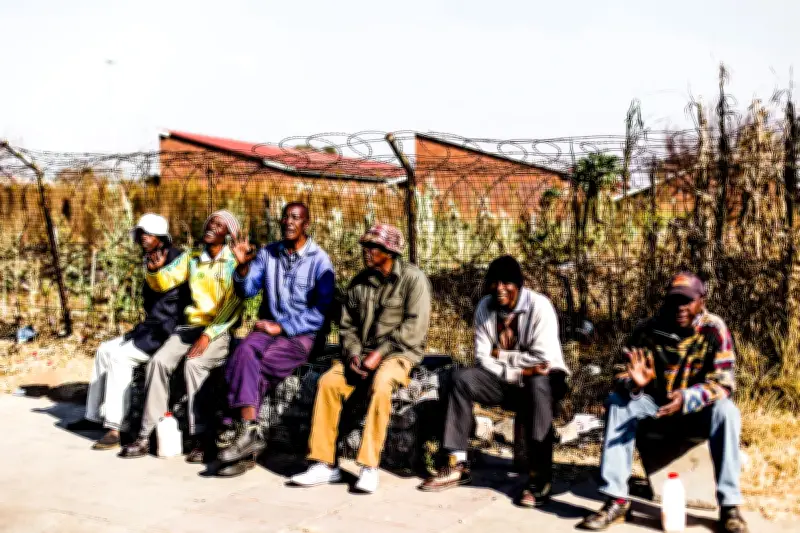
South Africa's unemployment rate climbed to 8.5 million people in the second quarter of 2026, marking a 0.6 percentage point increase from the previous quarter, according to data released by Statistics South Africa (Stats SA). This rise comes amid growing tensions against foreign-owned businesses, which analysts say could further strain the labor market.
Unemployment Figures and Trends
The latest Quarterly Labour Force Survey (QLFS) shows that the number of unemployed individuals increased by 120,000 quarter-on-quarter, bringing the total to 8.5 million. The official unemployment rate now stands at 33.5%, up from 32.9% in the first quarter of 2026. The expanded unemployment rate, which includes those who have given up looking for work, also rose to 43.2%.
According to Stats SA, the increase was driven by a net decline in employment, particularly in the formal sector, which lost 95,000 jobs. The informal sector, however, gained 25,000 jobs, partially offsetting the losses. The agriculture and trade sectors were the hardest hit, with job losses of 40,000 and 35,000 respectively.
Rising Tensions Against Foreign-Owned Businesses
The unemployment data coincides with escalating tensions against foreign-owned businesses in several provinces, including Gauteng and KwaZulu-Natal. Incidents of looting and intimidation have been reported, targeting shops owned by immigrants from other African countries. These actions have raised concerns among economists about the potential impact on investment and job creation.
"The rising xenophobic attacks are a threat to economic stability and could deter foreign direct investment, which is crucial for job creation," said Thabo Mokoena, an economist at the University of Johannesburg. He added that small businesses, which are the backbone of the economy, are particularly vulnerable.
Impact on the Economy and Future Outlook
The combination of high unemployment and social unrest is expected to weigh on consumer spending and business confidence. The South African Reserve Bank has already revised its growth forecast for 2026 down to 1.2%, citing the elevated unemployment rate and political uncertainty.
Government officials have called for calm and urged communities to report grievances through legal channels. In a statement, the Ministry of Employment and Labour said it is working with the police to protect foreign-owned businesses and ensure that the rule of law is upheld.
Looking ahead, economists warn that without significant structural reforms and investment in skills development, the unemployment rate is unlikely to decline in the near term. The country's youth unemployment rate remains alarmingly high at 46.5%, with over half of young people aged 15-24 unemployed.
The situation underscores the need for inclusive economic policies that address both unemployment and social cohesion, as the country prepares for local elections in November.