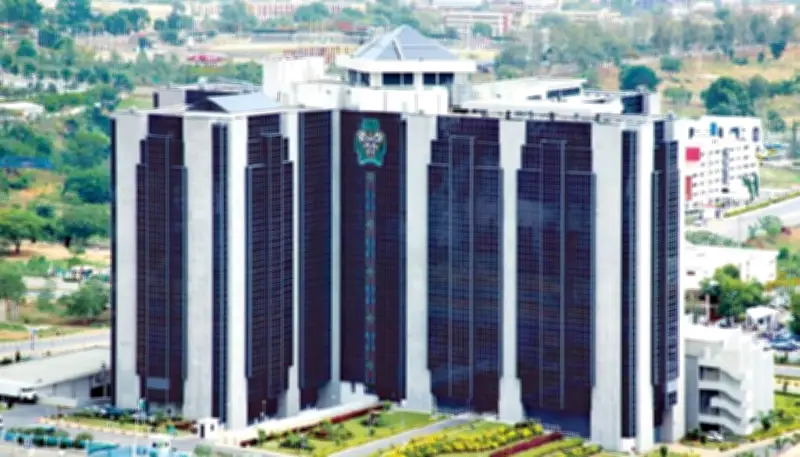
Standard Chartered Bank has projected that the Central Bank of Nigeria’s Monetary Policy Rate will conclude 2026 at 25%, according to a research note released on Wednesday. The forecast indicates a significant reduction from the current rate of 26.75%, reflecting expectations of easing inflationary pressures and a gradual pivot by the CBN toward supporting economic growth.
Inflation Deceleration Drives Forecast
The London-headquartered lender’s analysis points to a steady decline in Nigeria’s headline inflation rate, which it expects to average 21.5% in 2026, down from an estimated 24.8% in 2025. This disinflation path, driven by tighter monetary conditions and base effects, would allow the CBN to begin an easing cycle in the second half of 2025, according to the bank.
“We see the CBN cutting rates by a cumulative 175 basis points between H2 2025 and end-2026, bringing the MPR to 25.0%,” the report stated. The bank emphasized that the pace of easing would be data-dependent, with the CBN likely to prioritize inflation control in the near term before shifting focus to growth.
Growth Concerns and External Factors
Standard Chartered also highlighted that Nigeria’s economic growth, projected at 3.2% in 2026, remains below potential, providing further impetus for monetary easing. However, the bank cautioned that external risks, including global oil price volatility and capital flow dynamics, could influence the CBN’s decisions.
The report noted that the CBN has maintained a hawkish stance since 2022, hiking rates by a total of 1,250 basis points to combat inflation. With inflation now on a downward trajectory, the central bank is expected to gradually unwind some of those hikes.
Market Implications
The forecast has implications for fixed-income investors, who may anticipate lower yields on naira-denominated instruments as the CBN eases. Standard Chartered advised clients to position for a steepening yield curve, with short-term rates falling faster than long-term rates.
“We expect the CBN to cut the MPR by 50 basis points in H2 2025, followed by 125 basis points in 2026,” the bank added. The projection aligns with broader market expectations of a policy pivot, though some analysts argue that the CBN may move more cautiously given persistent structural inflation drivers.