
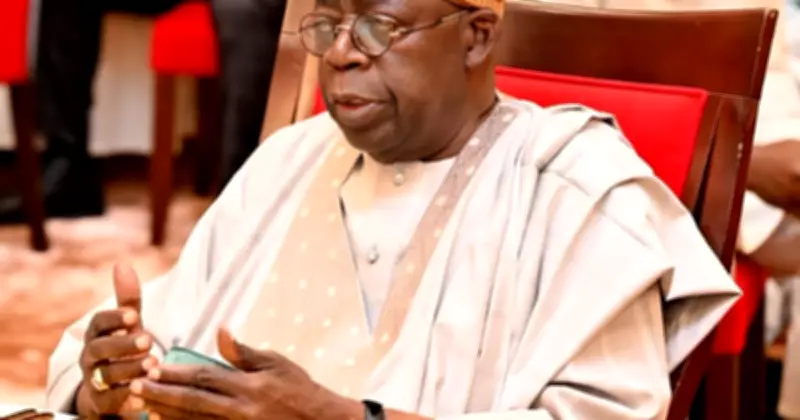
The administration of President Bola Tinubu is pursuing a fresh $1.25 billion loan from the World Bank, with the proposed facility titled Nigeria Actions for Investment and Jobs Acceleration. The request is already at an advanced stage in the bank's approval process, and if cleared, it will be presented to the World Bank's board on June 26, 2026.
This loan would rank as the second-largest single World Bank facility secured under President Tinubu, behind only the $1.5 billion RESET (Reforms for Economic Stabilisation to Enable Transformation) Development Policy Financing approved in June 2024. At the current exchange rate of N1,361 to the dollar, the proposed $1.25 billion translates to approximately N1.70 trillion.
Impact on Nigeria's Debt Profile
If approved, Nigeria's external debt could rise to about N77 trillion, with total World Bank approvals under Tinubu reaching roughly $10.6 billion. The timing of the proposed loan, months before the 2027 presidential election, has intensified concerns about Nigeria's growing debt burden. Nigeria's total national debt has risen to a record N159 trillion.
For context, the $1.5 billion RESET loan was disbursed in two tranches: $750 million in July 2024 and a second $750 million in November 2024, making it one of the fastest disbursements Nigeria has received from the World Bank. The facility was tied to Nigeria's implementation of critical economic reforms, including the unification of the official exchange rate, the removal of fuel subsidies, and the rollout of a targeted cash transfer programme to cushion the impact of rising inflation on low-income households.
World Bank Approvals Under Tinubu
Since June 2023, the World Bank has approved approximately $9.35 billion in loans and credits for Nigeria across sectors including power, education, healthcare, agriculture, social protection, and renewable energy. The proposed $1.25 billion facility, if approved, would bring total World Bank approvals under Tinubu to roughly $10.6 billion.
Nigeria's debt to the World Bank rose by $2.08 billion in a single year to $19.89 billion as of December 31, 2025, an 11.7 percent increase from the $17.81 billion recorded at the end of 2024.
Concerns Over Borrowing Sustainability
The new loan, designed to accelerate investment and job creation, arrives as the administration argues its reform agenda is gaining traction. However, opposition voices and economic analysts are pressing hardest on whether the borrowing pace is sustainable. The June 26 board date falls approximately six months before the January 2027 presidential election, a proximity that has sharpened scrutiny of the government's borrowing appetite and its motivations.
Critics have pointed to Nigeria's rising dependence on external financing as a structural concern that transcends any single facility. The administration maintains that the loans are necessary to fund critical reforms and stimulate economic growth.




