
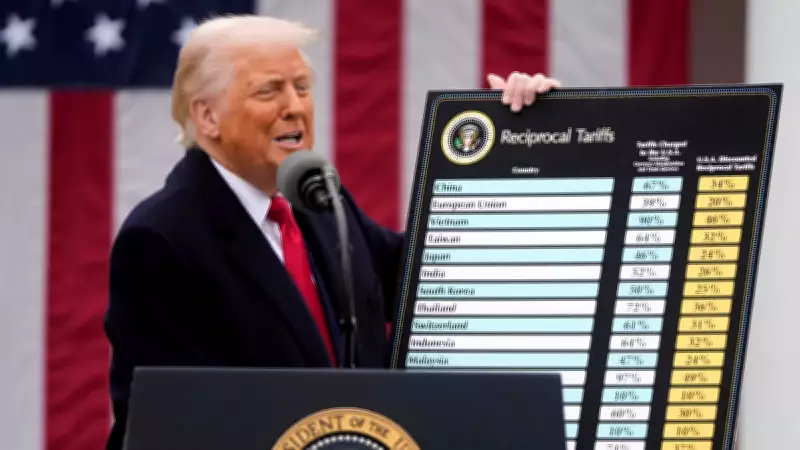
Trump Unveils Temporary 10% Global Tariff After Supreme Court Overturns Previous Measures
In a significant trade policy development, former United States President Donald Trump has announced the implementation of a temporary 10% global tariff, set to remain in effect for 150 days. This move comes as a direct response to the recent Supreme Court decision that struck down his earlier emergency trade duties, which were issued under the International Emergency Economic Powers Act.
Legal Basis and Implementation Details
The new tariff measure is being enacted under Section 122 of the Trade Act of 1974, a provision that allows the president to impose duties of up to 15% for a maximum of 150 days. This authority is designed to address significant balance-of-payments concerns without the need for lengthy investigations or complex procedural hurdles. Trump emphasized that this tariff will be applied in addition to any existing tariffs already in place.
During a White House press briefing, Trump was joined by key officials, including Commerce Secretary Howard Lutnick, Trade Representative Jamieson Greer, and Solicitor General D. John Sauer. He expressed confidence in the alternative legal pathways available, stating, "We have alternatives, great alternatives. We'll take in more money and we'll be a lot stronger for it." This announcement underscores the administration's determination to maintain an aggressive trade policy agenda despite judicial setbacks.
Background and Strategic Implications
The Supreme Court's ruling invalidated Trump's previous global tariffs, which were based on the International Emergency Economic Powers Act, on the grounds that he had exceeded his statutory authority. In response, the new 10% tariff under Section 122 represents a strategic pivot to preserve trade policy objectives. However, it is important to note that this measure is temporary, with a strict 150-day limit, after which it cannot be extended under the same provision.
In addition to the tariff announcement, Trump revealed the launch of multiple Section 301 investigations targeting what he described as unfair trade practices by foreign governments and companies. These investigations are typically time-consuming, often taking months to conclude, whereas the newly imposed 10% tariff offers a more immediate, albeit short-term, tool for addressing trade imbalances.
Analysis and Future Outlook
This decision marks the latest effort by the Trump administration to adapt its trade strategy in the face of legal challenges. By leveraging Section 122, the administration aims to quickly implement tariffs that can influence global trade dynamics while longer-term investigations proceed. The move highlights ongoing tensions between executive authority and judicial oversight in U.S. trade policy.
As the 150-day period unfolds, stakeholders will closely monitor the economic impacts and potential legal challenges to this temporary tariff. The administration's ability to navigate these complexities will be crucial in shaping future trade negotiations and policies.




