
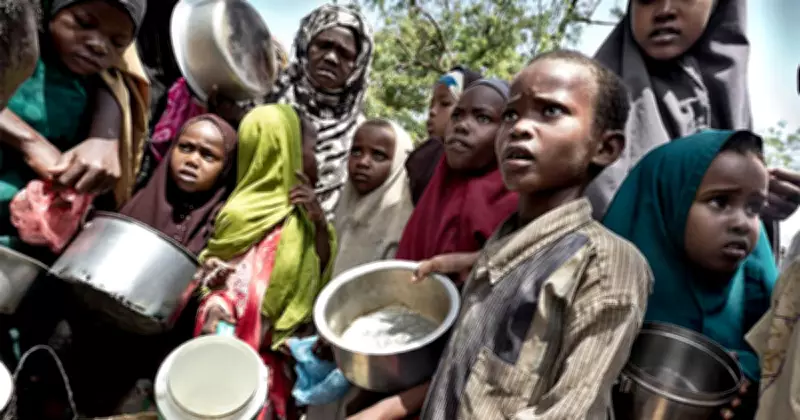
The United Nations has warned that approximately 35 million Nigerians could face acute hunger between June and August 2026 as worsening insecurity, rising food prices, and economic hardship continue to affect millions across the country.
Alarming Situation
In a statement released by the UN Humanitarian Country Team in Nigeria, the organization described the situation as alarming, warning that urgent humanitarian support is needed to prevent a deeper food crisis during the coming lean season. The UN said, “Nearly one in seven people, that is 35 million people nationwide in Nigeria, are likely to face acute food insecurity during this year’s lean season.”
The lean season refers to the period before harvest when food supplies are usually low and prices become more expensive. According to the UN, the crisis is expected to hit northern Nigeria the hardest, especially conflict-affected areas in Borno, Adamawa, and Yobe states where insecurity has disrupted farming activities and displaced thousands of families.
Child Malnutrition Concerns
The organization also raised concerns over child malnutrition, revealing that millions of children could face severe hunger-related health conditions this year. It stated that about 6.4 million children in northern Nigeria are at risk of acute malnutrition, while nearly three million children under the age of five across the country could suffer from severe acute malnutrition. The UN warned that the condition could become life-threatening if urgent medical and nutritional support is not provided.
Humanitarian Funding Shortages
Speaking on the crisis, the UN Resident and Humanitarian Coordinator in Nigeria, Mohamed Malick Fall, said shrinking global humanitarian funding is making the situation worse. “Without immediate support, millions of vulnerable people may be pushed deeper into hunger and desperation,” he said.
The organization explained that insecurity caused by banditry, insurgency, and violent attacks has prevented many farmers from accessing their farmlands, leading to lower food production in several communities. At the same time, rising inflation and the increasing cost of food items have made it difficult for many Nigerians to afford daily meals. The UN also noted that flooding and climate-related disasters in some states have worsened agricultural losses and displacement.
Funding Gap
According to the humanitarian body, only about $215 million has so far been received out of the $516 million needed for Nigeria’s 2026 humanitarian response plan. The funding shortage, it said, is already affecting food assistance, healthcare, and nutrition programs targeted at vulnerable populations.
The warning comes amid growing economic hardship in Nigeria, where many households continue to struggle with rising transportation costs, inflation, and declining purchasing power. The UN urged governments, donor agencies, and humanitarian partners to increase support urgently to prevent millions of Nigerians from sliding deeper into hunger in the coming months.




