
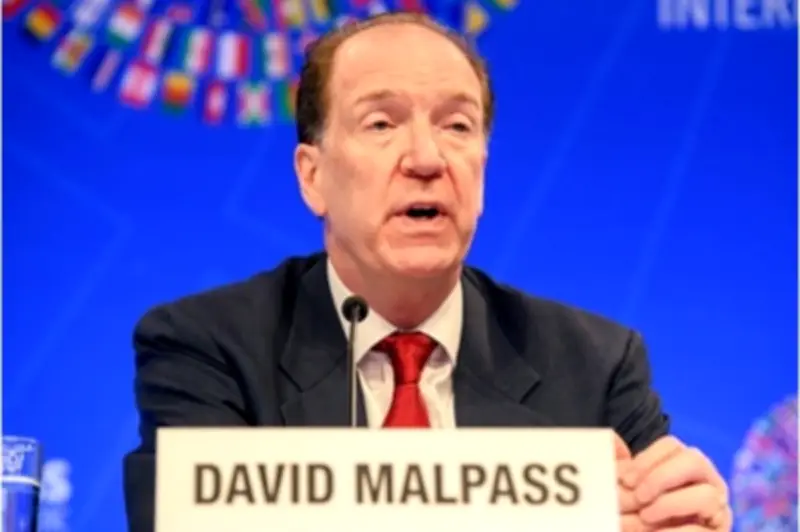
Nigeria's opaque debt deals could trigger a fiscal crisis unless the government adopts greater transparency, a former World Bank president has warned. Speaking at an economic forum in Abuja, the ex-official stressed that hidden borrowing terms and off-budget loans undermine investor confidence and risk saddling future generations with unsustainable obligations.
New Debt Deals Under Scrutiny
The former World Bank chief pointed to recent multi-billion dollar infrastructure-backed loans where repayment clauses were not fully disclosed. Such deals, he said, create 'hidden liabilities' that distort the country's true debt profile. Nigeria's total public debt has exceeded ₦130 trillion as of June 2026, with a debt-to-GDP ratio of over 45% according to the Debt Management Office.
'When debt terms are not transparent, you invite speculation and higher risk premiums,' he said. 'Investors begin to doubt the government's ability to manage its finances, which can lead to capital flight and currency instability.'
Impact on Economy and Citizens
Economists point out that opaque borrowing often leads to wasted resources and corruption. A recent report by the Nigeria Extractive Industries Transparency Initiative (NEITI) found that over 30% of infrastructure loans in the past five years showed irregularities in procurement and implementation. This lack of oversight means citizens may bear the burden through taxes and reduced public services.
The former World Bank official urged Nigeria to adopt a single, publicly accessible debt register and require parliamentary approval for all sovereign loans. 'Without transparency, the country risks a repeat of the 1980s debt crisis that led to decades of austerity,' he warned.
Government Response
The Ministry of Finance has defended its borrowing strategy, stating that all major deals are disclosed to the National Assembly. However, critics argue that many loans are structured through special purpose vehicles that escape conventional oversight. The warning comes as Nigeria negotiates a new $5 billion syndicated loan from international banks to fund infrastructure projects.
Analysts say that without reform, the opaque deals could raise external borrowing costs and reduce access to development financing. The former World Bank chief concluded: 'Nigeria has a choice: embrace transparency now, or face the consequences of a debt trap that could take decades to escape.'




