World Bank's Controversial Fuel Import Advice for Nigeria Sparks Intense Debate
The World Bank's recent policy recommendation for Nigeria to resume petrol imports has triggered a significant national controversy, raising questions about the alignment of international economic advice with local realities. This advice, which appeared in the April 2026 Nigeria Development Update before being withdrawn from the World Bank's website following public backlash, has left many stakeholders deeply concerned about its implications.
The Core Controversy: Imported vs. Domestic Fuel Pricing
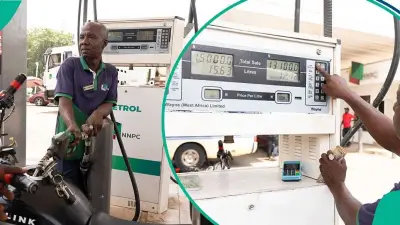
At the heart of the dispute was the World Bank's suggestion that imported petrol could potentially be cheaper than locally refined fuel. The institution estimated that imported petrol might cost approximately N1,122 per litre, compared to the N1,275 per litre price offered by the Dangote Refinery at that time. This price comparison has become a focal point for critics who question its accuracy and feasibility.
The World Bank further argued that reopening import licenses would increase market competition, help ease inflationary pressures, and serve as a valuable buffer against potential supply disruptions in the domestic fuel market. However, these arguments have faced substantial pushback from various quarters within Nigeria's economic and policy circles.
Legal and Policy Conflicts with Domestic Priorities
Energy policy experts and legal analysts have pointed out that the World Bank's proposal appears to directly conflict with Nigeria's Petroleum Industry Act of 2021. This landmark legislation explicitly prioritizes domestic refining capacity and restricts fuel imports in situations where local production capabilities exist. With the Dangote Refinery now supplying a significant portion of Nigeria's petrol consumption, import liberalization could potentially undermine these national energy policy objectives.
Critics argue that encouraging imports at this critical juncture could weaken investor confidence in Nigeria's downstream petroleum sector. The Dangote Refinery represents a multi-billion-dollar investment in domestic energy infrastructure, and policy shifts that disadvantage local refining could discourage similar future investments in Nigeria's energy independence.
Questioning Economic Assumptions and Practical Realities
Energy market analysts have raised serious questions about the World Bank's pricing assumptions. Many argue that once comprehensive costs including international freight charges, insurance premiums, and complex logistics expenses are properly considered, imported petrol would likely prove more expensive than the World Bank's projections suggest. This discrepancy raises fundamental concerns about the practical feasibility of the institution's price comparison methodology.
Beyond pricing issues, experts warn of broader macroeconomic risks associated with increased petrol imports. Greater reliance on imported fuel would inevitably raise demand for foreign exchange, potentially putting additional pressure on the Nigerian naira and possibly worsening inflationary trends throughout the economy. Since fuel imports are dollar-denominated transactions, this increased dependence could create destabilizing effects across Nigeria's wider economic landscape.
Alternative Solutions and Domestic Policy Priorities
Many critics argue that Nigeria's long-term energy solution lies not in reopening import channels but in addressing structural inefficiencies within the domestic refining sector. Key challenges include persistent crude supply issues, high operational costs, and regulatory bottlenecks that continue to affect local refiners' competitiveness and efficiency.
While some market stakeholders support import liberalization as a mechanism to improve competition, others insist that competition should be strengthened within Nigeria through alternative approaches. These include encouraging new refinery investments, improving crude allocation systems, and implementing comprehensive reforms of state-owned refineries to enhance their operational effectiveness and market responsiveness.
Broader Implications for Economic Policy Development
This controversy reflects a larger debate about the role of external economic advice and its compatibility with local economic conditions and development priorities. Nigeria has previously experienced policy disruptions resulting from recommendations by global institutions that did not fully align with domestic circumstances, a pattern also observed in other developing economies around the world.
The withdrawn World Bank report ultimately highlights a critical tension between theoretical economic efficiency models and practical national realities. While international institutions offer valuable expertise and global perspectives, their recommendations must be carefully assessed within Nigeria's specific legal framework, unique market structure, and long-term development goals. Many critics maintain that Nigeria's economic future must be shaped by home-grown policies that genuinely reflect the country's distinctive challenges rather than imported assumptions that may not account for local complexities.