
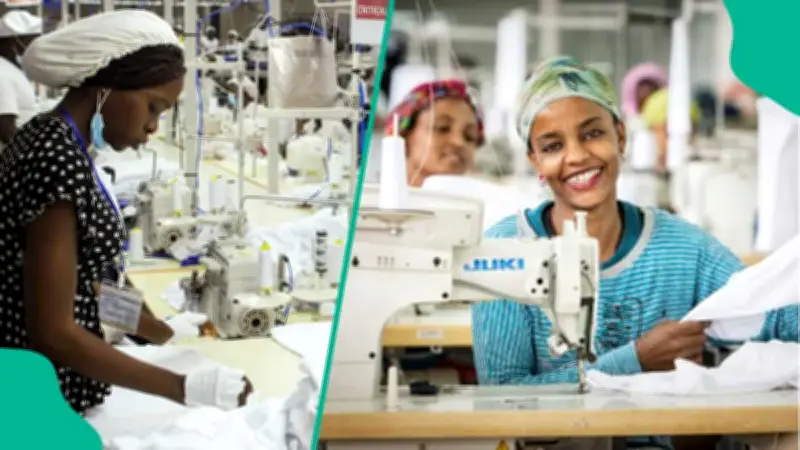
Governor Dauda Lawal of Zamfara State has announced a comprehensive plan to revamp the state's textile industry, cotton ginneries and oil mills, with the twin goal of generating thousands of jobs and revitalising the local economy. The announcement marks a significant step toward restoring the state's once-thriving agro-industrial base.
The governor made this known after participating in a high-level inspection tour of the Glo-Djigbé Industrial Zone (GDIZ) near Cotonou in the Republic of Benin. He was accompanied by Vice President Kashim Shettima and several other state governors. The GDIZ is a sprawling agro-industrial park that processes agricultural commodities such as cotton, cashew nuts and soybeans into finished and semi-finished products for domestic consumption and export.
According to a statement issued by the Vice President's spokesperson, Stanley Nkwocha, the visit was part of Nigeria's broader strategy to develop agro-industrial processing hubs, strengthen local manufacturing and expand employment opportunities, particularly for young people. The statement emphasised that the federal government is keen on learning from successful models across the West African sub-region.
GDIZ Model Inspires Zamfara's Industrial Revival
Lawal described the Benin industrial zone as a practical example of how coordinated government policies, dependable infrastructure and private-sector investment can transform agriculture into a thriving industrial value chain. He noted that the model effectively connects farmers with processors, reduces dependence on exporting raw commodities and encourages local value addition while creating sustainable employment.
Reflecting on Zamfara's industrial history, the governor recalled the state's once-booming textile sector, which supported thousands of livelihoods through textile factories, cotton ginneries and oil mills. "This visit brought back memories because I grew up around the textile industry. My father was one of the owners of the Zamfara Textile Industry," he said.
Lawal explained that at its peak, the textile factory operated three shifts daily, with each shift employing about 2,000 workers. He added that Zamfara also had approximately 23 cotton ginneries alongside an oil mill where cotton seeds were processed into edible oil. These facilities, he said, formed the backbone of the state's economy before they fell into decay.
Governor Targets Jobs Through Cotton Value Chain
The governor said the visit had strengthened his resolve to restore cotton farming and textile production in the state, describing the initiative as one of the lasting legacies he hopes to leave behind. According to him, rebuilding the entire production chain—from farming to processing and manufacturing—will create thousands of jobs, increase local value addition and improve the livelihoods of residents across Zamfara.
Lawal added that revitalising the sector would provide new opportunities for farmers, processors and manufacturers while boosting the state's economy. He also stressed the importance of infrastructure, policy consistency and private sector participation in making the revival plan a reality.
The inspection tour to the Glo-Djigbé Industrial Zone also included a number of other state governors, such as Hope Uzodimma of Imo State, Caleb Mutfwang of Plateau State, AbdulRahman AbdulRazaq of Kwara State, Dikko Umar Radda of Katsina State and Umar Namadi of Jigawa State. Their presence underscored the growing interest among Nigerian states in adopting industrial processing zones as catalysts for economic transformation.




