The Nigerian presidency has announced that Aso Rock will completely disconnect from the national electricity grid and operate on an independent solar power system, as authorities seek to curb what they describe as an unsustainable annual energy bill of about N47 billion.
Transition to Solar Power
The transition at Aso Rock, the seat of government in Abuja, follows the completion of a solar mini-grid project approved by President Bola Tinubu's administration. State House Permanent Secretary Temitope Fashedemi told lawmakers earlier this year that the solar installation was completed towards the end of 2025 and had been undergoing technical evaluation ahead of a full cutover.
“The solar installation at the Villa was completed toward the end of 2025 and has remained under technical evaluation. We are hopeful that by March we will be able to effect a full cutover,” Fashedemi said.
Project Funding
The project received N10 billion in the 2025 budget under a programme tagged “Solarisation of the Villa with Solar Mini Grid.” A further N7 billion was allocated in the 2026 budget, bringing total funding to about N17 billion. Officials say the move is aimed at reducing energy costs and ensuring a more reliable electricity supply for the presidential complex, which has historically relied on a combination of grid power and diesel generators.
Unsustainable Energy Costs
Mustapha Abdullahi, Director-General of the Energy Commission of Nigeria, said the villa's energy expenses had become difficult to sustain. “It is unsustainable for the Aso Rock Villa to continue to pay about N47 billion yearly in power bills,” Abdullahi said, adding that the solar project was approved to reduce costs and diversify energy sources.
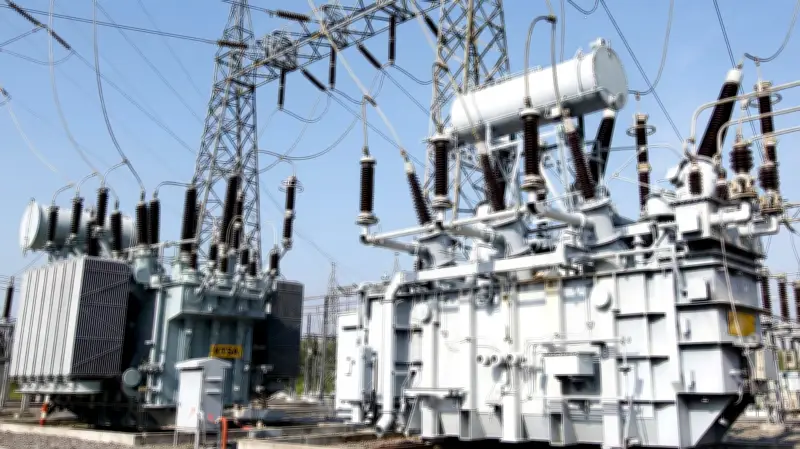
Nigeria has long struggled with inadequate electricity generation and distribution despite years of reforms. Frequent grid failures and power outages have left households, businesses and public institutions heavily dependent on generators.
Mixed Reactions
The solar project has attracted both praise and criticism. Supporters view it as a practical investment in renewable energy and energy security, while critics argue it reflects a lack of confidence in the country's electricity network. Princewill Okorie of the Electricity Consumer Protection Advocacy Centre said the decision suggested the government had lost faith in the national grid.
Infrastructure and Future Plans
Large sections of the presidential complex, including open areas and car parks, have been fitted with solar panels supported by battery storage systems designed to provide uninterrupted electricity. Officials said backup generators would remain available, although reliance on diesel-powered generation is expected to decline significantly. The project forms part of broader efforts by the Tinubu administration to promote renewable energy, even as millions of Nigerians continue to face unreliable electricity supply and high energy costs. The presidency has not indicated whether similar solar-powered systems will be introduced at other federal government institutions.