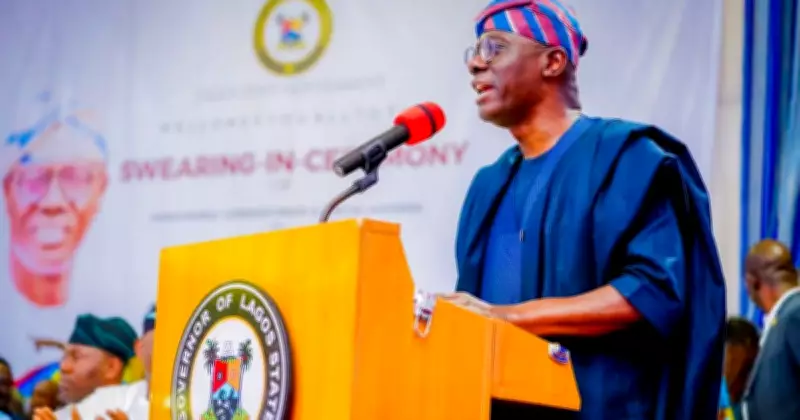
Lagos is edging closer to a breakthrough in its power sector, with its first state-licensed independent power producers (IPPs) expected to begin operations between late 2026 and early 2027. The announcement came from Babajide Sanwo-Olu during the BusinessDay Energy Conference 2026, where he highlighted how the state is moving from policy talk to real execution under Nigeria's decentralised electricity framework.
State-Licensed IPPs to Boost Power Generation
Speaking through the Commissioner for Energy and Mineral Resources, Biodun Ogunleye, the governor said the new IPPs will operate within Lagos' own electricity market system, set up under the Lagos State Electricity Law 2024. "We expect the first state-licensed independent power producer to begin commercial operations between 2026 and early 2027," he said. The projects will focus on high-demand areas like industrial zones and critical infrastructure, where stable electricity is most needed.
This progress follows the wider reforms enabled by the Electricity Act 2023, which allows states to control and regulate their own power markets. Lagos completed that transition in 2025, becoming the first state in Nigeria to fully take charge of its electricity sector.
Power Purchase Agreements Signed with Three IPPs
In a concrete step forward, Lagos recently signed Power Purchase Agreements (PPAs) with three IPPs at Lagos House, Marina. The companies involved include: Mainland Power Limited, Fenchurch Power Limited (in partnership with Aggregate Utilities Limited), and Viathan Engineering Limited. These projects are expected to add between 200MW and 400MW of electricity capacity in the coming years.
"This agreement is about the people and how quickly we can solve problems. We must keep our promises on both sides. When people benefit, life becomes easier. This marks the beginning of the reforms we are driving in the energy sector," the governor said.
Why Stable Electricity Matters for Lagos
Sanwo-Olu emphasized that reliable power is crucial for economic growth, referring to energy as the "oxygen of development." From factories to hospitals and urban systems, consistent electricity is key. Right now, Lagos spends about $2.7 billion every year on self-generated power, mostly through generators. That's money that could go into business growth and infrastructure if a stable supply is achieved. He added that improved electricity could even double the state's economic output over time.
Challenges Remain, but Focus Shifts to Delivery
While issues like financing, regulation, and coordination still exist, the governor made it clear that the conversation has changed. "The question is no longer whether states have the authority," he said. "It is whether they have the will to act." With the first state-backed IPP nearing launch, Lagos is about to test that will, one that could reshape not just its own power supply, but Nigeria's entire electricity landscape.