
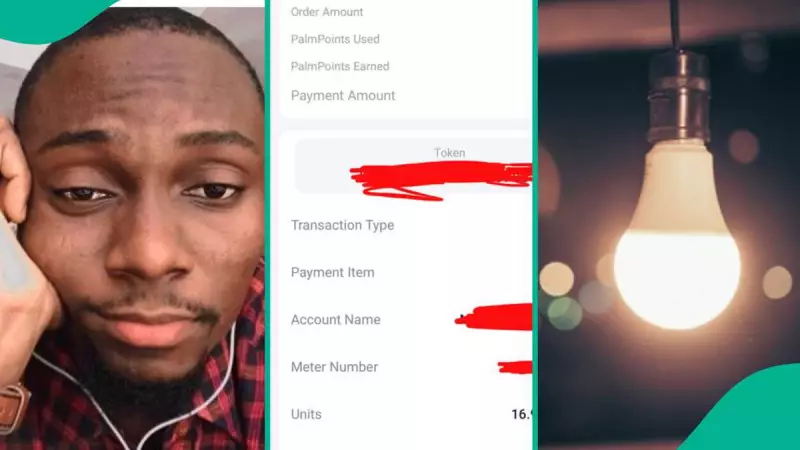
A Nigerian man's experience with electricity purchase has generated significant attention online after he shared surprising results from his recent transaction.
Unexpected Electricity Units Received
The man, identified on social media platform X as @iam__temmyyy, purchased electricity worth ₦2000 and received 16.90 kilowatt-hours (kwh) of power. This amount was notably higher than what he typically received for the same amount under the Band A tariff classification.
Band A customers are supposed to pay premium rates for electricity in exchange for better power supply, typically expecting fewer units for their money compared to lower tariff bands.
Social Media Reactions and Experiences
The man's post questioning whether Band A had become cheaper or if it was a system glitch attracted numerous responses from other Nigerians sharing their electricity purchase experiences.
One user, @Autosplug, reported a confusing situation: "Purchased 2k unit yesterday and on the receipt it shows 65 units I was excited but when I punched the token, alas! It was 8 units."
Another comment from @paulozma222 suggested: "Are you just being informed? Dem don move most band A feeders to Band C. Shey you dey get light constantly like before again?"
The responses revealed a wide range of experiences, with some users reporting similar unexpected increases in units received, while others shared their ongoing struggles with high electricity costs.
Broader Context of Electricity Challenges
This incident comes amid ongoing challenges in Nigeria's power sector. The viral post highlights the uncertainty many consumers face regarding electricity pricing and distribution.
Some commenters advised the man to enjoy the unexpected benefit quietly, while others warned it might be a temporary glitch that could be corrected in future purchases.
The conversation also touched on the reliability of power supply under different tariff bands, with questions about whether Band A customers are still receiving the promised level of service.
As Nigerians continue to navigate electricity challenges, incidents like this receipt sharing demonstrate the public's keen interest in understanding and monitoring their power consumption costs and the transparency of billing systems.




