The Nigerian Electricity Regulatory Commission (NERC) has approved a special compensation package for eligible Band A electricity customers following months of severe power disruptions caused by generation shortfalls across the national grid. The move comes amid growing frustration among consumers who continued to pay premium tariffs despite experiencing unstable supply between February and March 2026.
Background of the Power Crisis
In a public notice released on Thursday, June 4, 2026, the commission disclosed that the compensation directive was introduced to address widespread service failures that prevented some electricity distribution companies (DisCos) from meeting the minimum daily supply commitment promised to Band A customers. According to NERC, the intervention is backed by Directive No. NERC/2026/002 on the Special Compensation of Band A Customers Arising from Grid Generation Constraints.
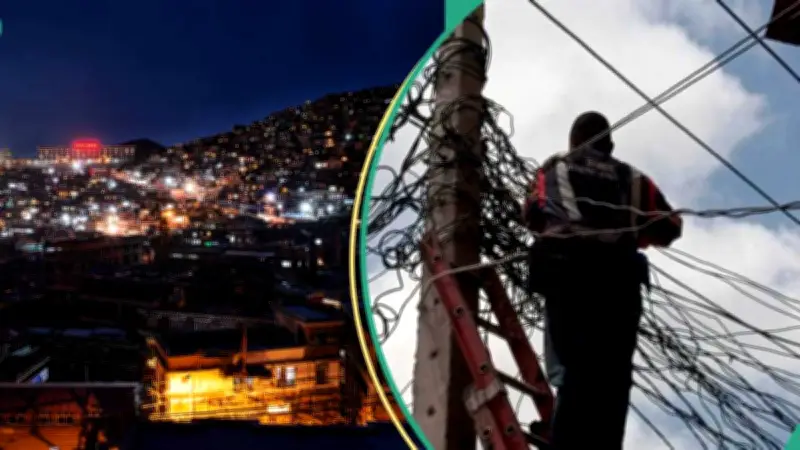
NERC blamed the prolonged outages on factors beyond the direct control of DisCos. The regulator explained that inadequate gas supply to thermal power plants and repeated vandalism of critical gas and transmission infrastructure severely weakened electricity generation nationwide during the first quarter of 2026. Industry data released by the Nigerian Independent System Operator showed the scale of the crisis: thermal plants reportedly required about 1,629.75 million standard cubic feet of gas daily to operate effectively, but actual gas supply dropped to around 692 million standard cubic feet per day in February, less than 43 percent of the required volume. As generation capacity collapsed, several power plants shut down while the Transmission Company of Nigeria resorted to nationwide load shedding to ration available electricity among DisCos.
Who Qualifies for Compensation?
Under the new directive, Band A customers connected to feeders that received less than 18 hours of electricity supply daily during the affected period will qualify for special compensation. However, NERC clarified that feeders averaging between 18 and 20 hours of supply will continue under the existing compensation framework introduced in earlier regulations. The commission also assured consumers that affected Band A feeders would not be downgraded despite the service shortfalls recorded during the period under review.
How Customers Will Receive Rebates
NERC explained that compensation would vary depending on customer category. For non-maximum demand customers, compensation will equal 20 percent of the approved February 2026 energy cap applicable to the affected feeder. Meanwhile, maximum demand customers will receive compensation equivalent to 20 percent of the average energy billed per customer in February 2026. The regulator added that prepaid users would receive token credits directly into their meters, while postpaid customers would get bill adjustments reflected in subsequent invoices.
Deadlines for DisCos
Electricity distribution companies have been directed to complete compensation for February 2026 no later than May 31, while compensation for March 2026 must be concluded by June 30, 2026. To protect consumers, NERC warned that DisCos are prohibited from using compensation credits to offset existing customer debts. The commission also instructed operators to clearly inform customers about the exact value and period covered by the compensation.
Broader Context
The announcement comes even though DisCos reportedly generated nearly N600 billion from consumers in the first quarter of 2026 alone. Although many Nigerians endured months of blackouts during the period, some consumers have recently reported gradual improvements in electricity supply across parts of the country. NERC said it would continue monitoring compliance to ensure all eligible customers receive the compensation due to them while maintaining stability in Nigeria’s fragile electricity market.