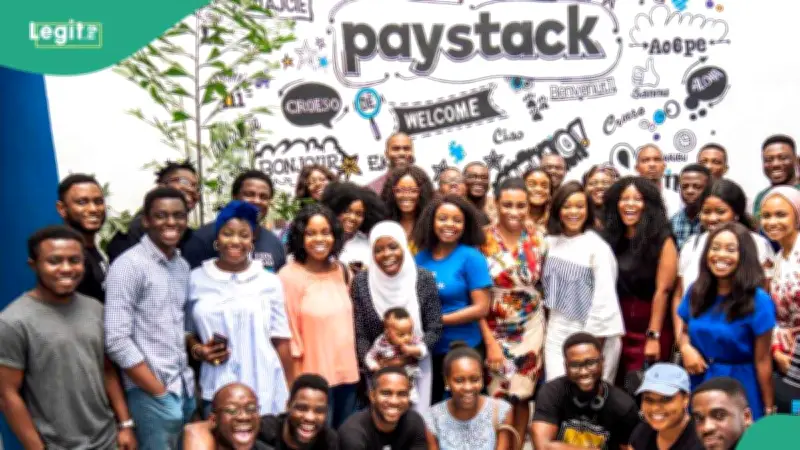
Brass, the Nigerian business banking startup that once transformed financial services for small businesses, has announced the end of its independent journey. The fintech firm disclosed on Monday that it will migrate interested customers to Paystack Microfinance Bank (Paystack MFB) before July 31, 2026, effectively closing its standalone operations.
End of an Era for Brass
In a statement, the company confirmed that its business banking services would be integrated into Paystack's regulated banking infrastructure. "Brass will move its business banking into Paystack MFB," the company said. "As part of this transition, Brass will no longer operate as an independent entity." The announcement marks the final stage of a rescue effort that began after Brass faced a severe liquidity crisis that threatened its survival and shook confidence in Nigeria's fintech ecosystem.
From Rising Star to Industry Crisis
Founded in 2020 by Sola Akindolu and Emmanuel Okeke, Brass emerged as one of Nigeria's most promising fintech startups, offering business accounts, payroll management, expense tracking, and cash-flow solutions for startups and small businesses. The company gained popularity during a period when African fintech firms were racing to modernise banking services and reduce reliance on traditional financial institutions. However, trouble emerged in late 2023 when customers began reporting delays in accessing their funds. Several startup founders publicly complained about difficulties withdrawing money from their business accounts, triggering concerns across the technology ecosystem. According to a report by TechCabal, the situation raised fears that the collapse of a deposit-taking fintech could damage trust in digital financial services at a time when adoption was rapidly growing.
How Paystack Stepped In
In May 2024, a consortium led by Paystack, alongside PiggyVest, Ventures Platform, and P1 Ventures, acquired Brass in a deal designed to stabilise operations and protect customers. Although financial details were not disclosed, the acquisition was widely viewed as a strategic move to prevent a broader crisis in Nigeria's fintech sector. At the time, the investors said they were committed to preserving Brass's mission and helping businesses access reliable financial tools. The deal also led to significant restructuring within the company, including the departure of co-founders Akindolu and Okeke.
A New Chapter Under Paystack
According to Brass, the period following the acquisition focused on rebuilding internal systems, improving operations, and strengthening customer experience under a new leadership team led by Philip Obosi and Yvonne Obike. The company explained that its long-term ambitions would be better achieved within Paystack's growing banking ecosystem. "As we rebuilt and as our platform became more mature, something became increasingly clear," Brass said. "The next phase of our growth could not be achieved alone." For Paystack, the integration represents another major step beyond its core payments business. The Stripe-owned fintech entered Nigeria's banking sector earlier through the acquisition of Ladder Microfinance Bank, which now operates as Paystack MFB. By bringing Brass into its banking infrastructure, Paystack strengthens its ability to offer treasury services, transfers, and business banking products from a single platform.
Fintech Consolidation Accelerates Across Africa
The Brass transition reflects a broader shift across Africa's fintech landscape. After years of aggressive expansion fueled by venture capital between 2020 and 2022, many startups are now focusing on sustainability, regulatory compliance, and strategic mergers. Recent consolidation moves, including Flutterwave's acquisition of Mono, signal a maturing industry where scale and stability are increasingly valued over rapid growth. Despite ending its independent operations, Brass insists its mission will continue under Paystack. "This transition marks a new chapter," the company said, "with even greater capability for the businesses we serve."
CBN Approves as Another Bank Begins Operation
Legit.ng earlier reported that Bank78 MFB has officially commenced operations as a private digital lender in Nigeria. The bank stated that although it is inspired by private-banking culture and mindset, it is deliberately designed for the mass-affluent everyday Nigerian, offering a secure and premium digital banking experience. In a statement announcing the commencement of operations, the bank said it aims to bridge the gap between fast-growing fintech firms and traditional legacy banks.