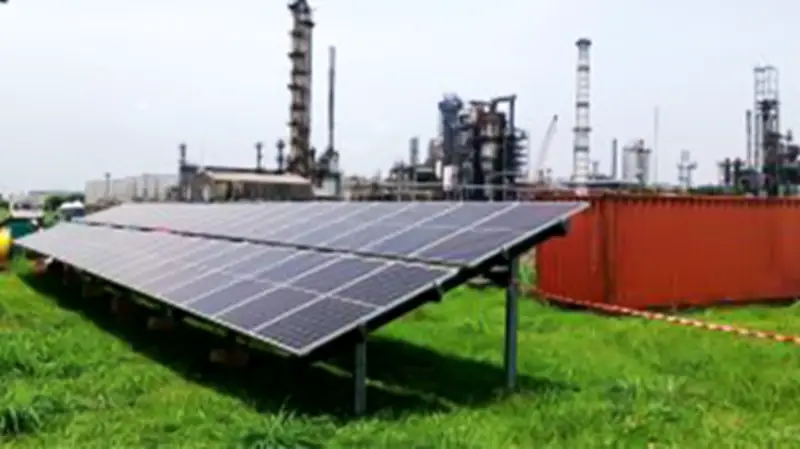
The Nigerian Electricity Regulatory Commission (NERC) has introduced the Net Billing Regulations 2026, a framework that permits eligible electricity customers to generate power from renewable sources and sell excess energy to distribution companies (DisCos). This initiative aligns with the Electricity Act, which aims to decentralize control and management of the public power system.
Key Features of the Net Billing Regulations
Under the new regulations, eligible customers, referred to as “prosumers,” can primarily use solar photovoltaic systems for their own consumption and export surplus energy under a net billing arrangement. The regulations target commercial and industrial customers, as well as other users capable of deploying renewable energy installations within the approved capacity range.
Capacity Requirements
Eligible renewable energy systems must have a minimum installed capacity of 50 kilowatt peak (kWp) and a maximum of 1.5 megawatt peak (MWp). This places the scheme within the commercial and industrial customer segment.
Application Process
Prospective participants must obtain approval from their distribution licensee before joining the program. Customers are required to execute a net billing agreement and register with NERC. The process begins with a technical feasibility assessment by the DisCo.
Metering and Tariffs
Approved participants will be provided with bidirectional net metering facilities to measure electricity imported from and exported to the distribution network. Exported energy will be credited according to an export tariff approved by NERC.
Objectives of the Regulations
NERC stated that the regulations aim to promote renewable energy adoption, enhance energy security and reliability, encourage private sector participation in distributed generation, support greenhouse gas emission reduction, and facilitate efficient integration of renewable energy systems into distribution networks.
The regulations take immediate effect, providing an operational framework for customers seeking to generate renewable energy for self-consumption while exporting excess electricity to the grid.