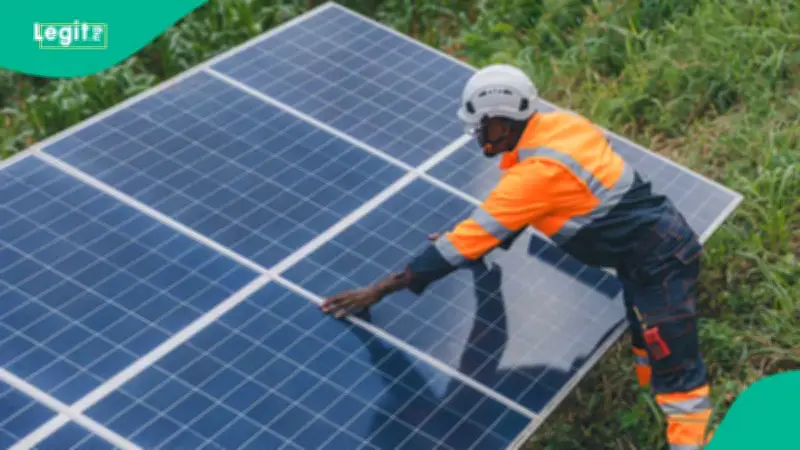
Solar panels, inverters and lithium batteries are becoming unlikely wedding gifts in Nigeria as families seek practical solutions to persistent electricity shortages and rising petrol prices.
Traditionally, newlyweds received household items such as refrigerators, televisions, cooking utensils and furniture. However, Nigeria's worsening electricity challenges are gradually changing what couples consider valuable wedding presents.
Solar Equipment Joins Wedding Registries
A Bloomberg report titled “In Nigeria, Solar Panels Are the New Wedding Gift” revealed that renewable energy equipment is increasingly appearing on wedding gift lists, reflecting the growing importance of reliable electricity in Nigerian homes.
For some newly married couples, the dream wedding gift is no longer an expensive refrigerator or television but a solar installation capable of keeping their homes powered during blackouts.
According to Bloomberg, couples are increasingly including solar panels, inverters and lithium batteries in their wedding registries alongside conventional household appliances.
High Petrol Prices Drive Solar Demand
The report identified rising petrol prices, frequent electricity outages and the growing availability of cheaper Chinese-made solar technology as major factors behind the trend.
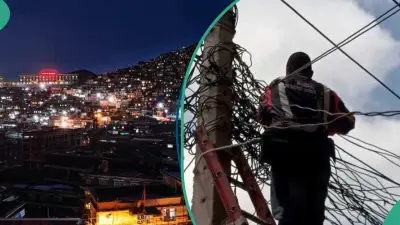
Nigeria's unreliable electricity supply has forced many households and businesses to depend on alternative power sources. However, the cost of running petrol generators has made conventional backup electricity increasingly expensive.
Solar systems are consequently becoming attractive alternatives, particularly for households seeking more predictable electricity expenses.
Alaba Market Sees Shift in Demand
At Lagos's popular Alaba International Market, the changing demand is also becoming visible. Bloomberg reported that solar panels, lithium batteries and inverters now compete for market space with generators, refrigerators and televisions.
The report identified brands such as Deye and Felicity Solar among products available in the market. However, it also raised concerns about counterfeit equipment bearing names similar to established brands, highlighting the need for buyers to verify product authenticity, Leadership reported.
Solar Viewed as Essential Infrastructure
The growing preference for solar-powered wedding gifts reflects a broader transformation in how Nigerians approach household spending. What was once considered an expensive luxury is increasingly viewed as essential infrastructure.
For couples beginning married life, the ability to keep lights, fans and essential appliances running during power failures may now be more valuable than traditional wedding presents.
The emerging trend also underscores how Nigeria's electricity crisis is reshaping everyday decisions, including how families celebrate marriages and support newlyweds.