
Solar Power User Issues Critical Warning About Appliance Usage
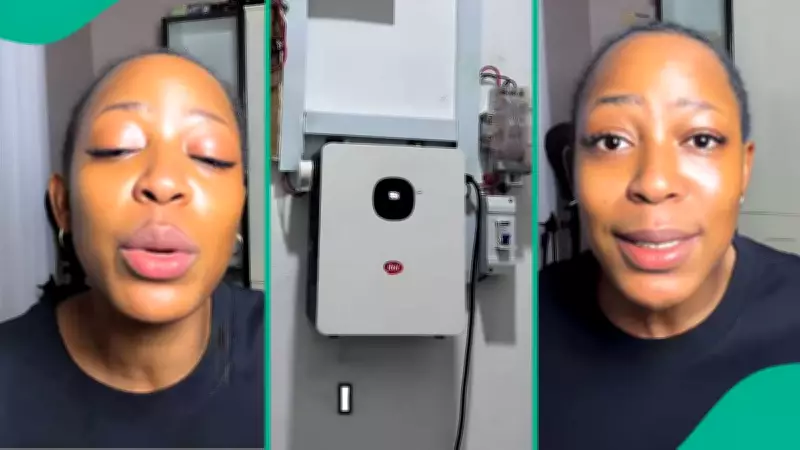
A Nigerian content creator based in Benin City has sparked significant discussion on social media after sharing her positive experience with installing solar panels in her home. The woman, identified online as @Sk_Jessy, expressed immense satisfaction with her decision to transition to solar energy, revealing that she parted ways with her generator without hesitation.
Escaping Generator Noise and High Fuel Costs
According to her detailed account, the primary motivation behind her solar investment was to escape the constant noise pollution and exorbitant fuel expenses associated with running a generator. She disclosed that she had been spending approximately N7,000 every two days on fuel alone, a financial burden she is now relieved to have eliminated. Her solar system, which includes an ITEL power tank, has proven to be a transformative solution for powering essential household items.
The system effectively operates her lighting fixtures, fans, content creation equipment, and various other domestic appliances. However, she emphasized that the capacity of her particular solar setup is limited and requires careful energy management to ensure its longevity and optimal performance.
Specific Appliance Warning for Solar System Longevity
The content creator issued a crucial warning to other solar power users, specifically highlighting one category of appliances that poses a significant risk to the system. She strongly advised against using any heat-generating devices, with particular emphasis on household irons.
"Anything that generates heat at all burns the battery faster, and no, you cannot turn on your iron on it at all. Don't try it," she explicitly stated in her viral video message. Other appliances mentioned in this high-consumption category include hair dryers and hair straighteners, which she also avoids using to prevent rapid battery drainage.
She further noted that even her fan consumes substantial power, forcing her to use it sparingly during periods of limited sunlight. Despite these necessary precautions and usage limitations, she considers her solar investment entirely worthwhile when compared to the ongoing costs and disturbances of generator operation.
Investment Details and Practical Advice
The total installation cost for her complete solar system, including the power tank, panels, and all necessary components, amounted to less than N600,000. She described this as a valuable investment for the convenience and long-term savings it provides. Her decision to purchase the system coincided with her venture into the solar energy business sector, which she believes holds considerable promise in Nigeria.
She offered practical advice for prospective solar users, emphasizing that system effectiveness depends heavily on intelligent energy consumption patterns. Proper management of electricity usage is essential for maximizing the lifespan and efficiency of solar installations. Her system is configured to charge through both sunlight and conventional electricity, with charging occurring faster using grid power but with greater strength from solar energy.
Mixed Reactions from Online Community
The post generated diverse reactions from Nigerians across social media platforms. Some commenters expressed concerns about solar reliability during rainy seasons with limited sunlight, while others sought advice about using heat-based styling tools with similar systems.
One user suggested purchasing low-wattage fans to reduce battery drain, while another offered technical advice about battery maintenance, recommending charging only to 80-90% capacity to extend battery life over multiple years. Skeptical commenters questioned the wisdom of completely abandoning generator backup, especially during extended periods of poor weather or grid outages.
This discussion emerges alongside other Nigerian solar energy stories, including a separate report of a man who invested approximately N7 million in a comprehensive solar installation to achieve continuous electricity supply. These accounts collectively highlight a growing trend toward renewable energy adoption among Nigerians seeking alternatives to unreliable grid power and expensive generator operation.




