
TCN Announces Scheduled Power Outage for Preventive Maintenance in Abuja
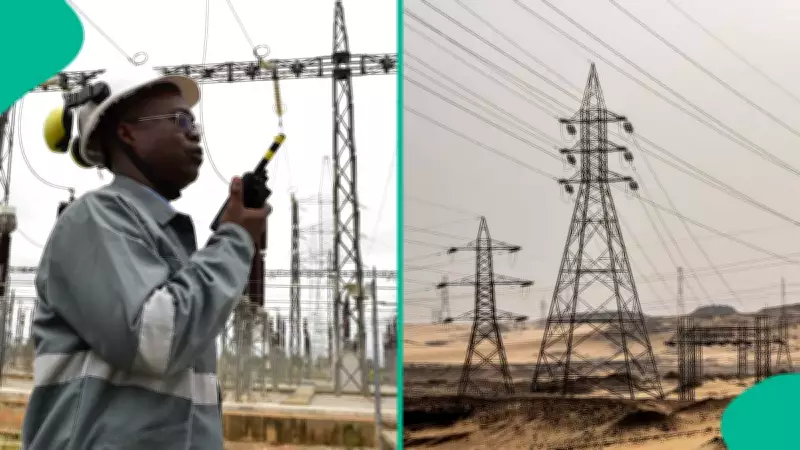
The Transmission Company of Nigeria (TCN) has officially announced a scheduled two-day power interruption affecting numerous communities within the Federal Capital Territory. This planned outage is necessary to facilitate annual preventive maintenance operations at the critical Karu Transmission Substation located in Abuja.
Maintenance Schedule and Affected Areas
According to the detailed announcement from TCN's Abuja Region, maintenance crews will conduct essential work on the 100/110MVA and 60MVA 132/33kV power transformers at Karu Transmission Substation. The maintenance exercise is scheduled to occur during two consecutive days with identical operational hours.
Saturday, April 11, 2026: Maintenance activities will commence at 9:00 AM and conclude at 4:00 PM, resulting in a seven-hour power interruption for residents in Karu, Nyanya, Jikwoyi, Orozo, Karshi, and surrounding environs.
Sunday, April 12, 2026: Maintenance will again run from 9:00 AM to 4:00 PM, affecting electricity supply to Gwagwalape, Maraba, Ado, New Nyanya, Old Karu Road, MTN Estate, Ruga Jule, and adjacent communities for seven hours.
Official Statement and Assurance
Ndidi Mbah, General Manager of TCN, provided comprehensive details regarding the planned maintenance exercise. "The Transmission Company of Nigeria, Abuja Region, wishes to notify the public that its maintenance crew will carry out annual preventive maintenance on the 100/110MVA and 60MVA 132/33kV power transformers at Karu Transmission Substation," Mbah stated.
The TCN official explained that due to this maintenance work, the Abuja Electricity Distribution Company (AEDC) will be unable to off-take electricity supply to the specified areas during the designated hours. However, Mbah emphasized that power supply will be restored immediately after the completion of maintenance work each day.
"TCN apologises for any inconvenience this will cause electricity consumers in the affected areas and assures that the exercise is necessary to sustain reliable bulk power delivery," Mbah added, highlighting the preventive nature of the maintenance.
Importance of Preventive Maintenance
This scheduled maintenance forms part of TCN's ongoing commitment to ensuring reliable electricity transmission across Nigeria's national grid. The government-owned utility company bears responsibility for operating and maintaining the country's transmission infrastructure, including substations, transmission lines, and transformers that facilitate bulk power delivery from generation companies to distribution entities.
Preventive maintenance represents a proactive approach to infrastructure management, designed to identify and address potential issues before they escalate into major failures that could cause prolonged power disruptions. By conducting regular maintenance on critical equipment like the transformers at Karu Substation, TCN aims to enhance grid stability and minimize unexpected outages.
Consumer Advisory and Sector Context
TCN has advised consumers in the affected areas to plan accordingly for the scheduled outages, making necessary arrangements for the seven-hour interruptions on both days. The company emphasized that this temporary inconvenience supports longer-term reliability of electricity supply in Abuja and surrounding regions.
The announcement comes against the backdrop of ongoing challenges in Nigeria's electricity transmission sector. Recent reports indicate that transmission inefficiencies continue to impose significant financial costs on the nation's power sector, with estimates suggesting monthly losses between N5 billion and N8 billion due to various operational shortcomings.
As Nigeria's primary transmission utility, TCN plays a vital role in stabilizing electricity supply nationwide through systematic maintenance programs like the one scheduled for Karu Transmission Substation. The company's efforts to enhance transmission efficiency and reliability remain crucial for improving overall power sector performance and reducing financial losses associated with infrastructure failures.




