Tinubu Attributes Nigeria's Electricity Crisis to Past Governments' Failed Privatization
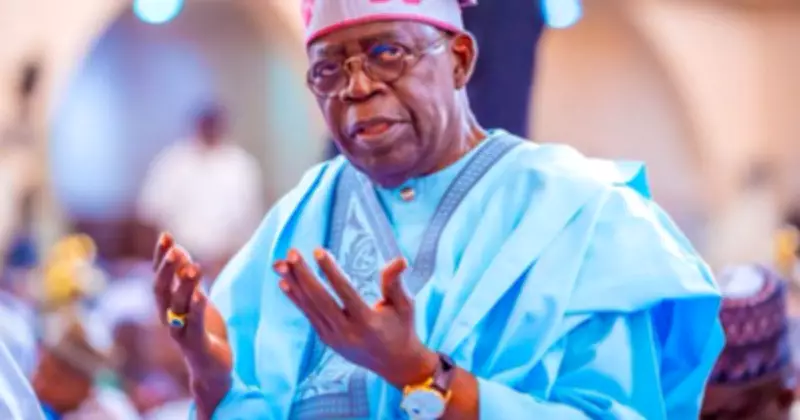
President Bola Ahmed Tinubu has pointedly blamed previous administrations for Nigeria's persistent electricity woes, citing what he described as poorly executed privatization policies that have left the nation in darkness. Speaking during a Federal Executive Council meeting, Tinubu asserted that his administration is now working to salvage the situation.
Direct Criticism of Opposition and Past Leadership
The President didn't mince words when addressing the opposition, accusing them of not "believing in the democracy they preach." He promised to ignore such critics while focusing on national development. Tinubu specifically targeted the electricity sector privatization, stating: "You have leaders who privatized electricity, that's not working. They gave us darkness instead, and we are trying to get ourselves through that."
He emphasized his administration's commitment to building a nation of bright hope and leaving a legacy worthy of pride for future generations. This criticism comes as Nigeria's power sector continues to struggle with generating adequate electricity for its over 200 million citizens.
Deteriorating Power Situation Under Current Administration
The Nigerian power sector has deteriorated significantly, with the country failing to generate more than 4,000 megawatts consistently. In 2026, public anger has mounted as power supply dropped sharply nationwide due to massive generation capacity reductions. Power generation companies have cited gas supply shortages as preventing thermal plants from operating optimally.
In March 2026, Minister of Power Adebayo Adelabu apologized to Nigerians for the worsening power situation, which had sparked protests across Lagos, Osun, and Edo states. Adelabu estimated that Nigeria needs at least $100 billion to achieve stable electricity and promised improvements within two weeks, though tangible progress remains elusive.
Government Response and Financial Challenges
The Tinubu administration has approved payments for backlogged power subsidies, though there's disagreement about the amount. While power generation companies claim ₦6 trillion is owed, the government places the figure at ₦3.3 trillion. Earlier in 2026, Tinubu inaugurated the Grid Asset Management Company Limited to improve power generation and transmission capacity in response to the national grid's poor performance.
Political Implications Ahead of 2027 Elections
The electricity crisis is expected to be a major issue in the 2027 general elections. During his 2023 presidential campaign, Tinubu promised Nigerians 24-hour power supply and elimination of estimated billing, vowing that he shouldn't be reelected if he failed to deliver. With both promises unfulfilled so far, Nigerians are likely to remind the President of these commitments as he prepares for potential reelection.
The power sector's state represents a significant challenge for the Tinubu administration, which must now address both the legacy of past privatization failures and current generation shortcomings while facing growing public dissatisfaction.