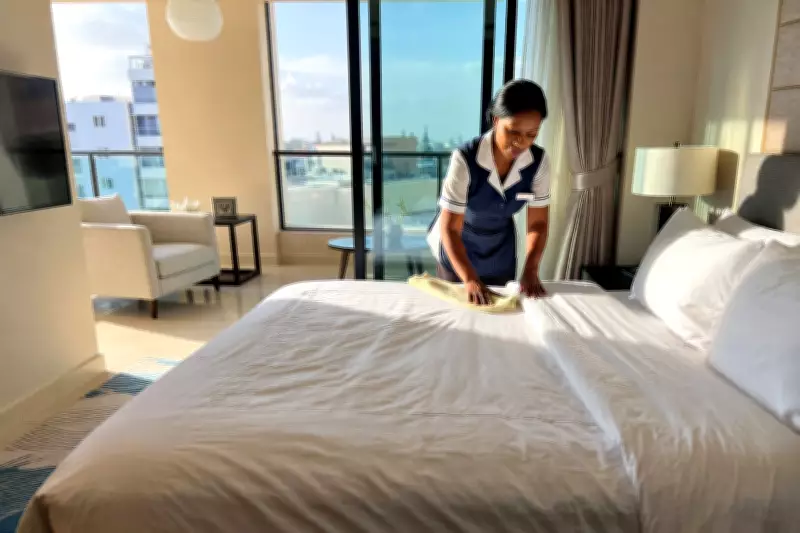
Understanding Fair Housekeeper Daily Room Cleaning Rates in Nigeria
If you have ever wondered what constitutes a fair daily cleaning amount for housekeepers in Nigeria, or how many rooms a cleaner can realistically handle in a day, you are in the right place. This article synthesizes months of research into Nigeria's domestic work sector and years of experience covering labor issues nationwide. Through extensive interviews with housekeepers in Lagos, Abuja, and Port Harcourt, consultations with hotel managers, and analysis of practical home cleaning scenarios, surprising insights have emerged regarding fair compensation and realistic expectations.
The question of daily cleaning rates extends beyond mere financial transactions; it encompasses respect, professionalism, and an appreciation for the genuine effort required to maintain clean, healthy living environments. Let us delve into this critical topic together.
How Many Rooms Should a Housekeeper Clean Per Hour?
Expectations often clash with reality when it comes to room cleaning efficiency. A professional housekeeper typically cleans between two to four rooms per hour, depending on room size and the depth of cleaning required. This estimate applies to standard bedrooms or living areas, not industrial spaces or homes that have been neglected for months.
For instance, a friend in Lekki once complained her housekeeper was "too slow" for cleaning three bedrooms in an hour. Upon closer inspection, each bedroom was a master suite with an attached bathroom, walk-in wardrobe, and balcony. The housekeeper was not slow but thorough, highlighting the difference between rushed cleaning and proper maintenance.
The Federal Ministry of Labour and Employment has guidelines emphasizing fair working conditions for domestic workers, though they do not specify exact room counts. They stress reasonable workloads that allow quality standards without exhaustion. For light cleaning like dusting and sweeping, a housekeeper might manage four rooms hourly. For deep cleaning involving mopping, bathroom scrubbing, or window washing, expect two rooms per hour. Exceeding these limits risks poor quality or worker burnout.
Room type significantly impacts time: a small guest bedroom might take 15 minutes, while a family bathroom with soap scum buildup could require 45 minutes. Most Nigerian households opt for daily or weekly cleaning rather than hotel-style hourly turnover, altering calculations entirely. Housekeepers maintain already clean spaces or tackle accumulated mess, requiring different approaches.
International cleaning standards indicate professional housekeepers in hotel settings manage about 15 rooms per eight-hour shift, aligning with what domestic workers in Nigeria report as sustainable rates.
How Much Do Cleaners Charge Per Day in Nigeria?
Daily rates for housekeepers in Nigeria range from ₦3,000 to ₦15,000, varying by location, experience, work scope, and whether cleaners provide their own supplies. In Lagos, particularly areas like Ikoyi, Victoria Island, and Lekki, rates typically start at ₦5,000 and can reach ₦15,000 for experienced professionals handling large properties. Abuja rates are slightly lower, usually ₦4,000 to ₦12,000 daily, while Port Harcourt, Ibadan, and other major cities hover around ₦3,000 to ₦8,000. Smaller towns might see ₦2,000 to ₦5,000, though finding professional housekeepers there can be challenging.
Families paying below ₦3,000 daily often complain about poor quality work or theft, underscoring the adage: you get what you pay for. Paying someone ₦2,500 to clean a four-bedroom house devalues their labor, fostering resentment rather than loyalty.
The National Salaries, Incomes and Wages Commission sets Nigeria's minimum wage at ₦70,000 monthly for formal employment. While domestic workers often fall outside formal structures, this provides a baseline. A housekeeper working five days weekly should earn comparable amounts when daily rates are calculated monthly.
Live-in housekeepers typically earn ₦30,000 to ₦80,000 monthly plus accommodation and food, differing from daily rates as living expenses are covered. Transportation costs also impact rates; if a housekeeper spends ₦1,500 on transport, a ₦3,000 daily rate leaves only ₦1,500 for eight hours of work, below minimum wage standards.
Professional cleaning companies charge ₦10,000 to ₦50,000 per visit, reflecting overheads like taxes and insurance. Fair payment motivates housekeepers to work thoroughly and invest in maintaining high standards, whereas underpayment leads to opposite outcomes.
What Is the Daily 6 Cleaning List?
The daily six cleaning list offers a practical framework for balancing thoroughness with sustainability in Nigerian households. It typically includes:
- Kitchen cleaning: Washing dishes, wiping countertops, cleaning cooker, mopping floor, taking out rubbish.
- Bathroom maintenance: Cleaning toilets, sinks, mirrors, mopping floors, replacing towels.
- Bedroom tidying: Making beds, dusting surfaces, sweeping or vacuuming floors, organizing clutter.
- Living area upkeep: Dusting furniture, sweeping floors, arranging cushions, cleaning windows.
- Laundry duties: Washing, hanging, ironing, and putting away clothes as needed.
- General organization: Returning items to proper places, light decluttering, restocking supplies.
This list represents what a housekeeper can accomplish daily in a three to four-bedroom home over six to eight hours, focusing on maintenance rather than deep cleaning. Deep cleaning tasks like washing windows or scrubbing walls should occur weekly or monthly, not daily, to avoid unreasonable workloads.
Cultural considerations matter: Nigerian households often maintain higher cleanliness standards due to dusty environments and practices like removing shoes indoors, meaning "daily" cleaning might equate to "deep" cleaning elsewhere. Providing proper cleaning supplies, such as quality mops and detergents, is essential for professional results.
Seven Steps to Determine Fair Housekeeper Compensation
After years of research, a systematic approach for calculating appropriate housekeeper compensation in Nigeria has been developed, considering economic realities while ensuring fair treatment.
- Calculate Your Property's Cleaning Requirements: Honestly assess space by counting bedrooms, bathrooms, and special features. Properties under 100 square meters need less time than those exceeding 200 square meters.
- Assess Cleaning Frequency and Depth: Daily cleaning requires less intensive work per visit, while weekly or monthly cleaning involves deeper tasks. Factor in whether anyone is home during cleaning hours, as children and pets increase requirements.
- Research Local Market Rates: Ask neighbors or check local groups for going rates in your area, but seek what should be paid for quality work rather than average rates that may reflect exploitation.
- Factor in Transport and Supply Costs: Calculate realistic transport costs and decide if you will provide cleaning supplies. If not, add ₦500 to ₦1,500 to daily rates to cover these expenses.
- Apply the Minimum Wage Test: Nigeria's minimum wage of ₦70,000 monthly translates to ₦3,182 daily over 22 working days, but experienced housekeepers deserve ₦5,000 to ₦8,000 daily in major cities.
- Consider Experience and References: Experienced workers with solid references deserve higher pay for faster, higher-quality work without constant supervision.
- Build in Annual Increases: Plan for 10-15% annual increases to account for inflation and consider bonuses for excellent work to build loyalty.
Standard Room Cleaning Rates Across Nigerian Cities
Based on 2026 market research, here are realistic rates for professional housekeeping services across major urban centers:
- Lagos (Island): Daily rate ₦6,000 – ₦15,000, cleaning 8-12 rooms per day.
- Lagos (Mainland): Daily rate ₦4,000 – ₦10,000, cleaning 8-12 rooms per day.
- Abuja: Daily rate ₦5,000 – ₦12,000, cleaning 8-12 rooms per day.
- Port Harcourt: Daily rate ₦4,000 – ₦9,000, cleaning 8-14 rooms per day.
- Ibadan: Daily rate ₦3,000 – ₦7,000, cleaning 10-14 rooms per day.
- Kano: Daily rate ₦3,000 – ₦7,500, cleaning 10-14 rooms per day.
- Smaller Cities: Daily rate ₦2,500 – ₦6,000, cleaning 10-16 rooms per day.
These rates account for regional cost-of-living differences, with Lagos Island commanding premium rates due to higher expenses. The "rooms per day" column assumes maintenance cleaning of standard-sized rooms.
How Much to Pay a Cleaner for 3 Hours in Nigeria?
Three-hour cleaning sessions are popular for smaller properties or supplementary cleaning. Expect to pay ₦2,500 to ₦6,000 depending on location and work scope. Lagos rates typically start at ₦3,500, while smaller cities might charge ₦2,000 to ₦3,000. Add ₦500 to ₦800 if cleaners provide all supplies.
Be specific about priorities: deep-cleaning an entire three-bedroom house in three hours is unrealistic. Focus on high-priority areas like kitchen and bathrooms or bedroom deep-cleaning. Transport costs significantly impact three-hour arrangements; if a cleaner spends ₦1,500 traveling for a ₦2,500 session, they work for only ₦330 hourly after transport, which is exploitative.
Providing lunch for sessions over mealtime demonstrates courtesy. Location matters: cleaners living nearby can accept lower rates without travel burdens.
Understanding Fair Compensation for Daily Housekeeping in Nigeria
Fair compensation recognizes housekeeping as skilled labor requiring physical stamina, attention to detail, and trustworthiness. While economic pressures make labor costs feel burdensome, underpaying workers who maintain homes is unjustifiable.
Housekeepers handle private spaces, clean bathrooms, manage laundry, and maintain environments for families, requiring trust and effort. Yet, many pay less than weekend outings or monthly subscriptions. Fair wages lead to better outcomes: reliable workers, pride in work, long-term stability, and reduced theft.
Quality cleaning requires proper supplies; if employers do not provide them, poor results may follow. Transparency in expectations and compensation prevents conflicts. Consider housekeepers' expenses like rent and school fees; rates barely covering transport and lunch for eight hours of labor are unsustainable.
The goal is to find a balance where workers feel fairly compensated and employers get value. Annually, paying ₦6,000 daily for five days weekly totals ₦1,440,000, often less than professional cleaning companies charge for equivalent service.
Conclusion: Finding Balance in Housekeeper Compensation
Fair compensation benefits everyone: workers deliver better service and stay longer, while employers avoid recruitment cycles and poor-quality work. Understanding regional variations, recognizing skilled labor, and setting realistic expectations are key.
Nigerian economic realities challenge household budgeting, but exploitation of domestic workers is unacceptable. This sector enables professionals to pursue careers while maintaining clean homes, deserving recognition through fair pay.
Approach compensation with generosity and wisdom: research local rates, factor in all costs, and avoid the cheapest options. Investing in fair wages creates household stability.
Three Key Takeaways for Fair Housekeeper Compensation
- Calculate total costs honestly: Include transport (₦500-₦3,000 daily), supplies (₦300-₦1,000), property size, and regional variations. Fair rates in Lagos Island (₦6,000-₦15,000 daily) differ from smaller cities (₦2,500-₦6,000 daily).
- Match expectations to reality: Housekeepers clean 2-4 rooms hourly for maintenance or 8-14 rooms daily. Expecting deep-cleaning of a five-bedroom house in three hours with additional tasks is unrealistic.
- Build sustainable relationships through fair treatment: Implement annual increases (10-15%), occasional bonuses (₦10,000-₦20,000 yearly), provide proper supplies, and communicate respectfully to transform domestic work into dignified employment.
Frequently Asked Questions About Housekeeper Daily Room Cleaning Amount
What Is Considered a Fair Daily Rate for Housekeepers in Lagos? Fair rates range from ₦6,000 to ₦15,000 depending on location and experience. Basic cleaning in Mainland costs ₦4,000-₦7,000, while Lekki or Victoria Island commands ₦8,000-₦15,000.
How Many Rooms Can One Housekeeper Realistically Clean in 8 Hours? An experienced housekeeper can clean 8 to 14 standard rooms in eight hours, assuming maintenance cleaning.
Should I Provide Cleaning Supplies or Expect My Housekeeper to Bring Their Own? Most employers provide supplies; if not, add ₦500 to ₦1,500 to daily rates to cover costs.
What Tasks Should Be Included in Daily Cleaning Versus Weekly Deep Cleaning? Daily cleaning covers kitchen surfaces, bathroom maintenance, and tidying, while weekly deep cleaning addresses windows, ceiling fans, and walls.
How Much Should I Pay for Three Hours of Cleaning Work? Three-hour sessions cost ₦2,500 to ₦6,000, but factor in transport costs to avoid exploitation.
Do Live-In Housekeepers Cost Less Than Daily Housekeepers? Live-in housekeepers earn ₦30,000 to ₦80,000 monthly plus accommodation and food, differing from daily rates.
What Are Standard Working Hours for Daily Housekeepers in Nigeria? Shifts typically run six to eight hours, with overtime compensated at 1.5 times the normal rate.
Should I Pay Extra for Housekeepers Who Cook Meals? Yes, add ₦1,000 to ₦3,000 daily for cooking, as it represents separate skilled labor.
How Often Should I Increase My Housekeeper's Daily Rate? Annual increases of 10-15% account for inflation, with bonuses for appreciation.
What Is Minimum Wage for Domestic Workers in Nigeria? The national minimum wage is ₦70,000 monthly (₦3,182 daily), but experienced housekeepers command ₦5,000 to ₦8,000 daily.
Should Transport Costs Be Included in the Daily Rate or Paid Separately? Either include them in the rate or pay separately to ensure fair compensation.
How Do I Know If I'm Paying Fair Rates for My Area? Research local rates and observe worker satisfaction; motivated housekeepers often indicate fair pay.