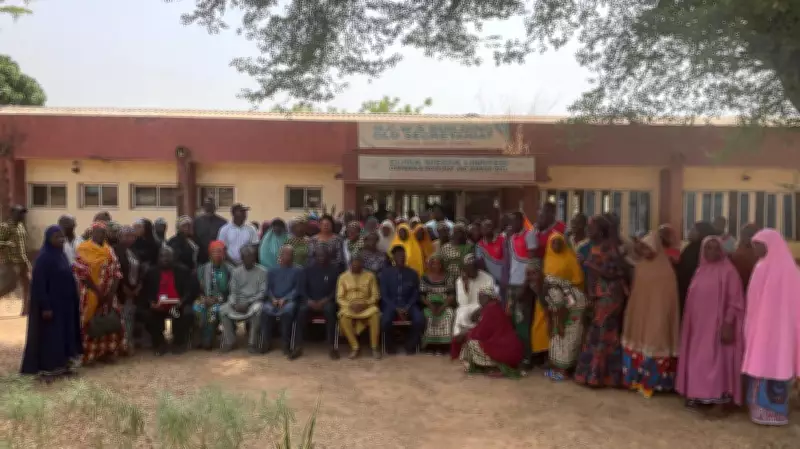
The Nigerian Export Promotion Council (NEPC) has reiterated its dedication to broadening Nigeria's non-oil export base by fostering greater inclusion of women-led businesses. This commitment was underscored during the Women Exporters Conference held in Abuja on April 28, 2026, which gathered key stakeholders from various sectors.
Conference Highlights and Key Speakers
The event, themed “Strengthening Women-led Businesses for Resilience, Recovery and Inclusive Economic Growth,” brought together prominent government officials and industry leaders. Notable attendees included Abike Dabiri-Erewa, former Minister of Women Affairs Pauline Tallen, Special Adviser to the President on Exports Aliyu Sheriff, Special Assistant to the Director General of the WTO Ms. Nichole Mensa, and Managing Director of Tafawa Balewa Lucia Shitu. Representatives from banks, agencies, and the private sector also participated.
NEPC CEO's Remarks
Nonye Ayeni, the Executive Director and Chief Executive Officer of NEPC, emphasized that Nigeria's export future hinges on deeper participation in global value chains, particularly by small businesses and women entrepreneurs. She highlighted the impressive growth in Nigeria's non-oil export performance, which rose to $6.1 billion in 2025—the highest in the country's history—with export volume reaching 8.02 million metric tonnes. Despite this progress, Ayeni noted that Nigeria accounts for only 0.25% of global merchandise trade, while Africa contributes 3.5% to the $24.5 trillion global export market.
In 2025, Nigeria exported 281 products to 210 countries across Africa, Asia, Europe, the Americas, and Oceania, including 36 African nations through ECOWAS and other regional markets. Ayeni pointed out that the African Continental Free Trade Area (AfCFTA) presents a significant opportunity for exporters, especially women-led enterprises in agriculture, processing, and manufacturing, to scale across borders.
Support for Women Entrepreneurs
Ayeni stressed that SMEs constitute about 96% of businesses in Nigeria, with women making up approximately 40% of these enterprises. She described them as key drivers of export diversification and job creation. In 2025, NEPC implemented 728 capacity building programs, reaching over 97,000 participants nationwide. Additionally, the council facilitated 210 international certifications, including FDA, HACCP, Halal, and ISO standards, with about half awarded to women-owned businesses.
Over 5,000 women have benefited from the SheTrades Nigeria Hub, a partnership with the International Trade Centre that provides training, mentorship, and market access support. Ayeni also highlighted Nigeria's selection into the Women Exporters in the Digital Economy (WEIDE) Fund initiative of the World Trade Organisation and International Trade Centre, describing it as a major step for digital trade inclusion. More than 67,000 women applied for the program, with 146 beneficiaries selected to receive grants, mentorship, and export readiness support valued between $5,000 and $30,000.
Exhibition and Technical Sessions
The conference featured an exhibition of export-ready Made in Nigeria products by licensed female exporters, as well as technical sessions on export documentation, compliance requirements, and legal export procedures facilitated by NEPC officials. Ayeni urged women entrepreneurs to strengthen their competitiveness by taking advantage of available training, standards, and market access platforms. She affirmed that NEPC would continue to expand initiatives that enable women to participate more fully in international trade.