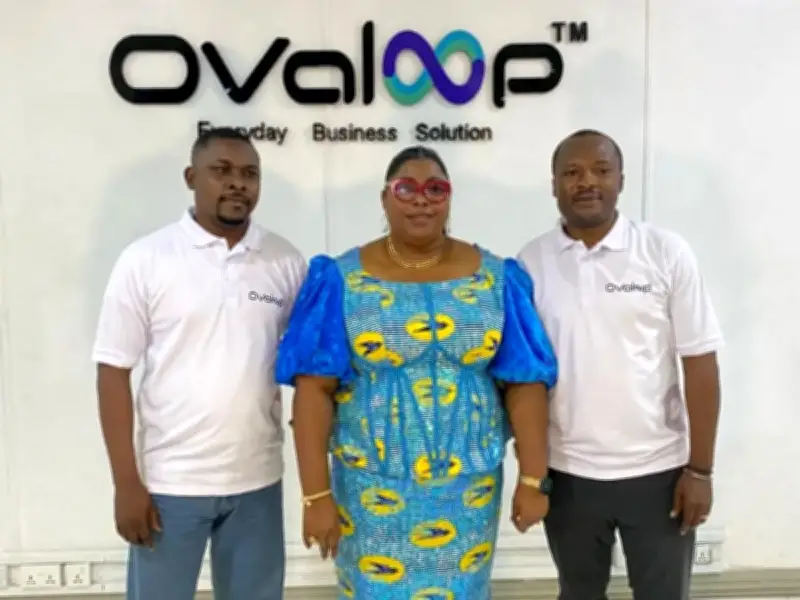
Poor financial record-keeping remains a critical barrier preventing many Nigerian small and medium-sized enterprises (SMEs) from accessing bank credit, according to the Chief Executive Officer of Ovaloop, a financial technology firm. The CEO, who spoke at a recent industry event, emphasized that without proper documentation, banks cannot assess the creditworthiness of these businesses, leaving them locked out of formal financing.
Overcoming Documentation Gaps
The Ovaloop CEO noted that a significant number of SMEs operate with informal or incomplete financial records. This lack of transparency makes it difficult for lenders to evaluate cash flow, profitability, and repayment capacity. As a result, many viable businesses are denied loans or offered unfavorable terms. The CEO urged SME owners to adopt digital accounting solutions to maintain accurate, up-to-date records that meet bank requirements.
The Impact on SME Growth
Access to credit is crucial for SME expansion, inventory purchase, and working capital. The CEO highlighted that Nigeria's SME sector, which contributes nearly 50% to the country's GDP and employs over 60% of the workforce, is severely constrained by this financing gap. Without proper records, even profitable businesses struggle to secure funding, stifling economic growth and job creation.
Digital Tools as a Solution
Ovaloop offers a platform that helps SMEs digitize their financial transactions, generate financial statements, and track performance metrics. The CEO explained that such tools not only improve record-keeping but also build a credit history that banks can trust. According to the CEO, “Many SMEs have the potential to grow, but they are invisible to the formal financial system because they lack credible financial data. Digital accounting bridges that gap.”
Call for Policy Support
The CEO also called on the government and financial regulators to create incentives for SMEs to adopt digital financial management. This could include tax breaks, subsidies for software, or partnerships with fintech companies. He argued that improving financial literacy and record-keeping among SMEs would unlock billions of naira in credit and significantly boost the economy.
A Path Forward
In conclusion, the Ovaloop CEO reiterated that the solution to SME credit access lies not in lowering lending standards but in empowering businesses to present reliable financial information. By embracing technology, Nigerian SMEs can overcome the documentation hurdle and tap into the formal banking system, driving sustainable growth.