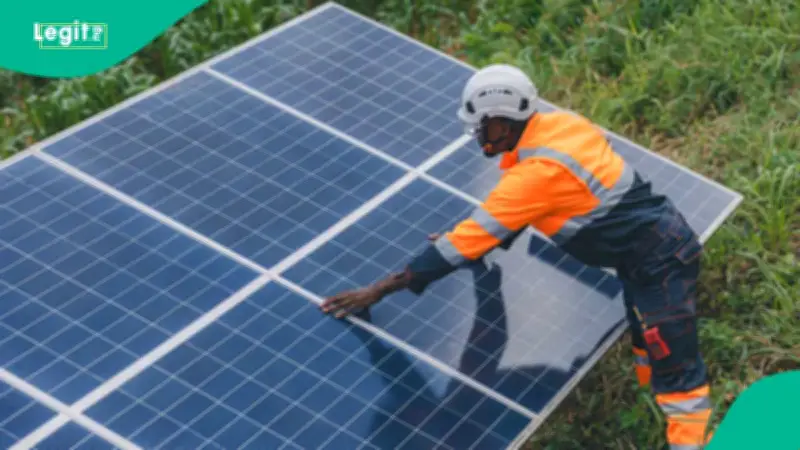
Starting a small solar installation business in Nigeria requires an estimated ₦2.18 million to ₦4.7 million, depending on the setup. Technical training, NEMSA requirements, and careful pricing are essential to delivering safe systems and protecting profit. Buying equipment against customer orders and offering reliable after-sales support can help new installers manage cash and build trust.
Startup Costs and Budget Breakdown
An illustrative startup budget for a small, home-based solar installation business is approximately ₦2.18 million to ₦4.7 million. This estimate assumes equipment is purchased against customer orders, transport is hired, and the founder already owns a phone and laptop. It excludes a showroom and company vehicle.
The estimate covers training, registration, tools, safety equipment, marketing, consumables, and operating reserves. It is a planning guide, not an official industry minimum. Stocking equipment pushes the requirement higher. Gennex, for example, advertises a 5.12kWh lithium battery at ₦1.06 million. Five would absorb ₦5.3 million before panels, inverters, or rent. Supplier prices require confirmation before purchase.
Training and Certification Requirements
Solar customers are buying a working power solution, making system design and installation skills essential. Training should cover load assessment, equipment compatibility, battery sizing, wiring, protection, rooftop safety, and troubleshooting.
The Renewable Energy Technology Training Institute advertises a one-month Solar PV Design and Installation course for ₦150,000 and a one-week entrepreneurship course for ₦100,000. Applicants should confirm current fees and practical arrangements. Classroom learning should be followed by supervised fieldwork. Founders without technical backgrounds can manage sales and operations while appointing a suitably qualified technical lead.
The Corporate Affairs Commission's published schedule lists ₦1,000 for ordinary business-name reservation and ₦20,000 for registration and certified registration documents. Additional charges and professional fees may apply. However, business registration does not establish technical competence.
The Nigerian Electricity Management Services Agency (NEMSA) has certification requirements for electrical installation personnel and corporate organisations, including renewable-energy work. Entrepreneurs should confirm the applicable category and requirements directly. A training certificate is not a substitute for NEMSA certification.
Pricing, Cash Flow, and Profit Margins
A practical entry model combines equipment supply, installation, and maintenance within a limited service area. Target clearly defined needs, such as essential household appliances, home offices, or small shops. Inspect each site before quoting, and explain which appliances the proposed system can support.
Build relationships with dependable distributors and obtain written warranty terms. Buying against confirmed orders reduces the amount trapped in unsold stock. Customer deposits should match procurement needs. On a ₦3.5 million contract, a 70% deposit provides ₦2.45 million. If equipment costs ₦2.6 million, the installer must fund the shortfall before paying labour or transport.
Consider an illustrative installation sold for ₦3.5 million, with equipment, labour, logistics, consumables, sales costs, and a callback allowance totalling ₦3.05 million. That leaves ₦450,000 towards overhead and profit, not take-home earnings. At monthly overhead of ₦600,000, two similar jobs would produce ₦300,000 before financing costs and tax. One would leave a ₦150,000 operating loss. These are modelled figures, not guaranteed industry returns.
After-Sales Service and Growth Strategy
Maintenance, fault diagnosis, and upgrades can generate income between installations. Clear service agreements should specify whether replacement parts and emergency visits are included, according to research by Legit.ng. Keep equipment records, document testing, and explain operating limits at handover.
For a new solar entrepreneur, disciplined procurement and satisfied customers provide a stronger foundation than an expensive showroom. Growth should follow proven demand, sound installations, and money actually collected. The federal government has opened applications for a free solar photovoltaic installation training programme aimed at Nigerians seeking to develop practical skills and build careers in the renewable energy sector, organised by the FGN Power Company in partnership with Siemens Energy and the German development agency, GIZ.