Uber, the global ride-hailing app, has shut down its ride-sharing platform and Uber Send, a logistics service that supported Nigerian small and medium-sized enterprises (SMEs) for over seven years. While this exit affects businesses that relied on Uber drivers for last-mile delivery of products, documents, and goods, several local and domestic logistics options remain available to fill the gap.
Uber's Exit and Its Impact on Nigerian SMEs
Uber's departure comes at a time when Nigerian businesses are already dealing with rising logistics costs, making reliable and affordable delivery services critical for online sellers, retailers, and other small businesses. The company closed its main ride-hailing platform and Uber Send, which many SMEs used to move products across cities.
While no single platform perfectly replaces every Uber delivery use case, several logistics and delivery companies continue to operate in Nigeria. These alternatives offer services that can help SMEs keep fulfilling orders, according to a report by Legit.ng.

Six Delivery Alternatives for SMEs
Here are some alternatives, in no particular order, that SMEs can consider:
- Kwik Delivery: Focused on business-to-business and last-mile deliveries, Kwik allows merchants to request pickups and deliveries through its platform with real-time tracking. It operates in Lagos, Abuja, and Ibadan, with deliveries taking up to two hours in Lagos and one hour in Abuja and Ibadan, though actual times depend on traffic and demand.
- GIG Logistics: This company offers a broader logistics network, including interstate shipments, making it useful for businesses moving goods beyond their immediate city. For SMEs sending products from Lagos to customers in Abuja, Port Harcourt, Benin City, or other locations, a dedicated logistics company is more practical than relying on ride-hailing drivers.
- Sendbox: Positioned around helping online businesses manage logistics and deliveries, Sendbox is useful for merchants selling through Instagram, WhatsApp, and e-commerce channels. It provides a structured system for fulfilling multiple customer orders.
- Local courier and dispatch companies: Nigeria's network of independent dispatch and courier companies can be a practical option for SMEs with regular delivery volumes. Negotiating directly with a dispatch company or fleet operator may be more efficient than booking individual trips, though businesses must manage rider reliability, tracking, customer support, and proof of delivery themselves.
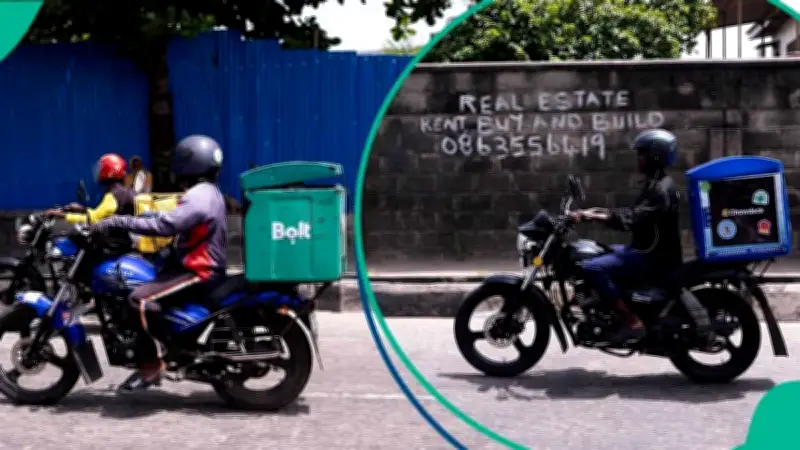
- Bolt: Bolt remains a major mobility platform in Nigeria, but SMEs should note that not all Bolt delivery products available internationally are available in Nigeria. Bolt operates delivery services like Bolt Send in some markets, but its website notes that products and features vary by country. Nigerian businesses should confirm available services in the Bolt app.
The Bigger Problem: Last-Mile Logistics Costs
The disappearance of one platform exposes a bigger weakness in Nigeria's e-commerce ecosystem: last-mile logistics, which remains one of the highest costs of doing business online. The cost of transporting products across Lagos can significantly reduce a seller's margin, and these costs are often passed on to consumers who pay delivery fees.
Businesses are advised to consider delivery costs when setting prices, rather than treating logistics as an afterthought, according to the report.
Uber's Global Restructuring and Job Cuts
Legit.ng earlier reported that Uber's decision to cut over 3,000 jobs globally, representing around 10% of its workforce, comes amid a major restructuring that sees the company exit Nigeria and Uganda. As Uber shifts its focus towards autonomous vehicles and other growth areas, the implications for employees and the ride-hailing industry in Africa are significant, raising questions about the future of mobility on the continent.