Nigerian banking stocks have delivered sharply divergent returns in 2026, with First HoldCo turning a ₦100,000 investment into approximately ₦269,311 in eight months, while UBA managed only a 6% gain, according to calculations based on NGX trading data.
Retail Participation Surges on the NGX
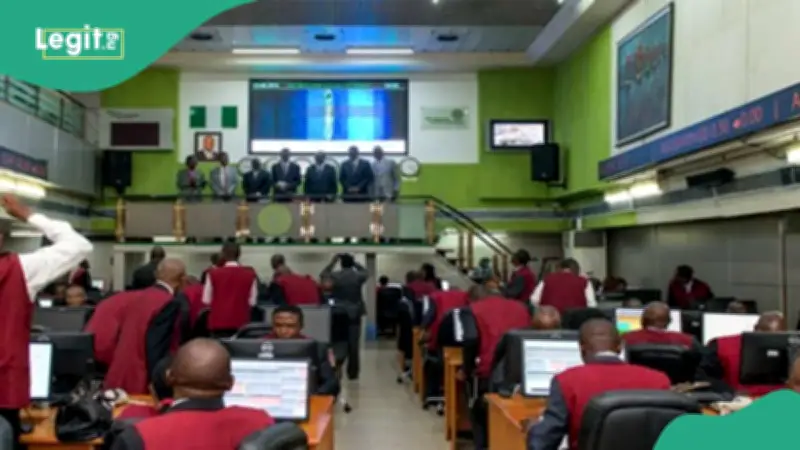
Between January and May 2026, retail participation on the Nigerian Exchange (NGX) jumped 138.76% year-on-year, with equities worth ₦2.86 trillion traded during the period. This renewed interest has coincided with strong performances from several banking stocks, following a major recapitalisation exercise that saw Nigerian lenders raise billions of naira from investors.
Between March 2024 and March 2026, Nigerian banks raised ₦3.37 trillion in fresh capital from domestic investors. The additional capital is expected to give lenders greater capacity to expand their balance sheets, grow lending, strengthen digital payments and compete for larger business opportunities.
First HoldCo Leads with 169.3% Gain
First HoldCo delivered the biggest gain among the five banks examined. The stock started 2026 at ₦47.90 per share. An investor who put ₦100,000 into the company would have acquired approximately 2,087.68 shares. At ₦129 per share on August 26, those shares would be worth about ₦269,311, representing a 169.3% gain.
Investor interest has been supported partly by expectations around dividends. First HoldCo said in July that it planned to distribute at least 60% of annual post-tax profit as dividends.
Zenith Bank and GTCO Post Strong Returns
Zenith Bank recorded the second-biggest share-price gain among the five lenders. The bank began the year at ₦61.80 per share. A ₦100,000 investment would have purchased approximately 1,618.12 shares. At ₦119.40 on August 26, the investment would be worth approximately ₦193,204, a 93.2% gain.
GTCO also delivered a strong performance. The stock opened in 2026 at ₦90.70. A ₦100,000 investment would have bought approximately 1,102.54 shares. At ₦127.60 on August 26, the holding would be worth about ₦140,684, representing a 40.7% gain.
Access Holdings and UBA Lag Behind
Access Holdings recorded a more moderate but still positive performance. The stock began the year at ₦21 per share. A ₦100,000 investment would have bought approximately 4,761.91 shares. At ₦27.55 on August 26, the investment would be worth approximately ₦131,190, a 31.2% gain.
UBA delivered the weakest share-price performance among the five banks. The stock started 2026 at ₦41.65 per share. A ₦100,000 investment would have purchased approximately 2,400.96 shares. At ₦44.15 on August 26, the investment would be worth approximately ₦106,002, representing just a 6% gain.
UBA's performance was affected by investor concerns following its decision not to declare a dividend for the 2025 financial year amid regulatory-driven provisioning. The bank has indicated that it intends to resume dividend payments in 2026.
Comparison of ₦100,000 Investments
Based strictly on share-price appreciation, the ranking is clear: First HoldCo (₦269,311, 169.3% gain), Zenith Bank (₦193,204, 93.2%), GTCO (₦140,684, 40.7%), Access Holdings (₦131,190, 31.2%), and UBA (₦106,002, 6.0%).
The figures highlight one of the biggest lessons from the 2026 banking-stock rally: banking stocks have not moved in lockstep. An investor who chose First HoldCo would have seen significantly more share-price appreciation than someone who invested the same ₦100,000 in UBA.
The calculations are based on each stock's first trading price of 2026 and its August 26 price. They measure share-price appreciation only and exclude dividends, brokerage fees, taxes and other transaction costs. The original material refers to six banks, but provides complete calculations for only five, so the figures cover the five banks for which data was supplied.
Legit.ng earlier reported that the Nigerian Exchange (NGX) is home to more than 150 listed companies, but only a select group has crossed the N1 trillion market-capitalisation mark. As of August 7, 2026, 25 companies had market values above N1 trillion, making up more than 90 per cent of the NGX’s total market capitalisation.