US Embassy Praises Nigerian-American Innovator
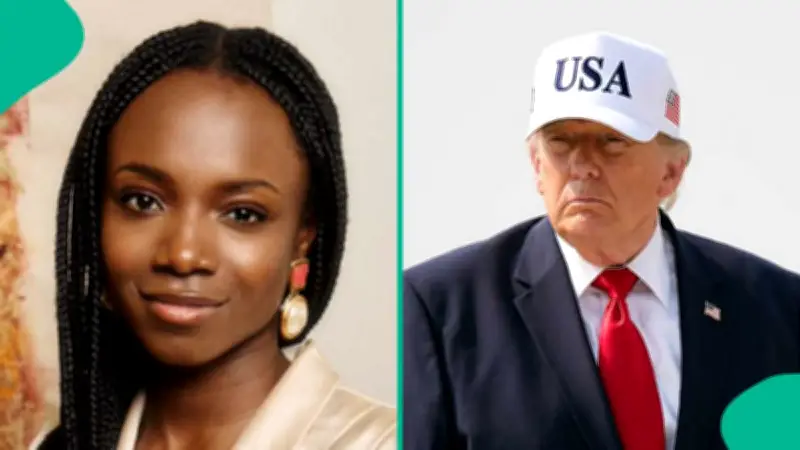
The United States Mission in Nigeria has publicly commended a 27-year-old Nigerian-American biomechanical engineer for creating the world's first braid-assist robot, an invention aimed at reducing physical strain on hairstylists. Yinka Ogunbiyi, a Harvard graduate, developed HaloBraid after experiencing the physical toll of braiding her own hair during the COVID-19 pandemic. The US Embassy in Nigeria took to social media on July 24, 2026, to celebrate her achievement, calling it a prime example of American innovation with global impact.
What Is HaloBraid?
HaloBraid is the first patented robotic assistant designed to work alongside human stylists, drastically cutting the time needed for traditional braiding from several hours to a fraction of that time. According to the US Embassy's post, Ogunbiyi's startup has raised $7 million in seed funding and has over 7,000 professional salons on its waitlist. The robot is not intended to replace hairstylists but to ease the physical demands of their work, which often leads to back pain and hand fatigue.
Personal Struggle Sparked Innovation
Ogunbiyi's inspiration came from a grueling personal experience. During the pandemic, she spent four days installing knotless braids on herself, suffering from severe backaches and cramped fingers. Realizing that hair braiding is one of the most physically demanding and time-consuming beauty processes globally, she sought a robotic solution. She partnered with fellow innovator David Afolabi to co-found the beauty-tech startup, which aims to transform the black hair and protective styling industry.
Global Impact and Recognition
The US Embassy's post highlighted the achievement as a testament to "American innovation, global impact" through its #AmericanExcellence campaign. The embassy noted that Ogunbiyi's work demonstrates how engineering can solve real-world problems. The innovation has garnered widespread attention, positioning Ogunbiyi as a trailblazer in the intersection of technology and beauty. The $7 million seed funding and thousands of salons on the waitlist underscore the market demand for such a solution.