Dangote Refinery is reportedly targeting a $5 billion initial public offering (IPO) by October, which would make it the largest listing in Africa's history. The move is part of a broader strategy to raise capital and expand its operations, according to sources familiar with the matter.
Details of the IPO Plan
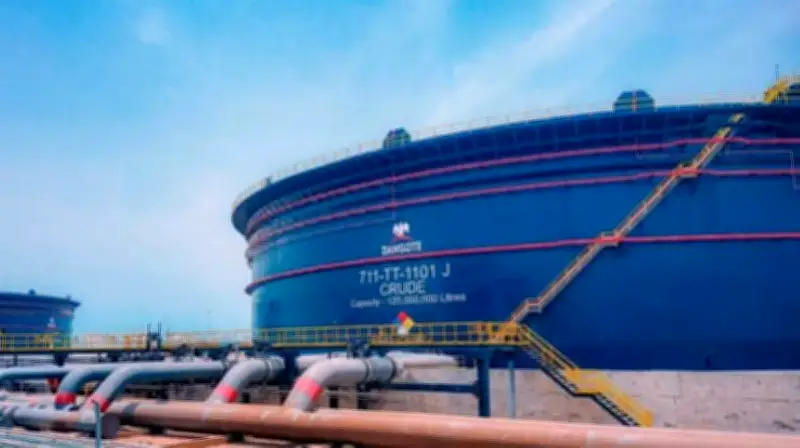
The IPO is expected to take place on the Nigerian Exchange (NGX) and potentially other international markets. The refinery, owned by Africa's richest man Aliko Dangote, has a capacity of 650,000 barrels per day, making it one of the largest in the world. The listing is seen as a major step for Nigeria's capital markets and could attract significant foreign investment.
According to reports, the company has been in talks with financial advisors and investment banks to structure the deal. The IPO could value the refinery at over $50 billion, although specific valuation details have not been confirmed. The proceeds from the IPO would be used to pay down debt and fund future expansion projects.
Market Impact and Expectations
If successful, the IPO would surpass the previous record for Africa's largest listing, which was set by Saudi Aramco's listing on the Tadawul in 2019, but within the African context, it would be a landmark event. Analysts believe that the listing could boost investor confidence in Nigeria's economy and provide a much-needed liquidity boost to the NGX.
However, some market observers have expressed concerns about the timing, given the current volatility in global markets. The refinery has faced challenges in the past, including delays in construction and disputes with regulators. Nevertheless, the company remains optimistic about the IPO's prospects.
Strategic Rationale
The IPO is part of Dangote's broader vision to transform Nigeria into a net exporter of petroleum products. The refinery, located in the Lekki Free Zone, is designed to meet domestic demand and export surplus products. By going public, the company aims to raise capital to complete the remaining phases of the project and expand its downstream operations.
Aliko Dangote has previously stated that the refinery would help eliminate Nigeria's dependence on imported fuel and create thousands of jobs. The IPO would also allow ordinary Nigerians to own a stake in one of the country's most strategic assets.
Regulatory and Legal Considerations
The IPO will require approval from the Securities and Exchange Commission (SEC) and the Nigerian Exchange. The company must also comply with corporate governance standards and provide detailed financial disclosures. According to sources, the company is already working on the necessary documentation and expects to file with regulators within the next few weeks.
Legal experts note that the IPO could face challenges, including potential litigation from minority shareholders or environmental groups. However, the company's strong track record and the project's national importance are likely to mitigate these risks.
Potential Challenges and Risks
One of the main risks is the volatility of global oil prices, which could affect the refinery's profitability. Additionally, the ongoing COVID-19 pandemic has disrupted supply chains and delayed construction timelines. The company has also faced criticism over its environmental record, with activists calling for stricter emissions controls.
Despite these challenges, the IPO is seen as a vote of confidence in Nigeria's economic recovery. The government has expressed support for the listing, viewing it as a way to attract foreign direct investment and deepen the capital market.
Expert Opinions
Financial analysts have mixed views on the IPO. Some believe that the refinery's strategic importance and strong demand for petroleum products in Africa make it an attractive investment. Others caution that the listing could be overvalued, given the high capital expenditure and operational risks.
According to a report by Bloomberg, the IPO could raise up to $5 billion, making it the largest ever on the African continent. The report also notes that the company is considering a dual listing on the London Stock Exchange to attract international investors.
Conclusion
In summary, Dangote Refinery's planned $5 billion IPO by October represents a significant milestone for Africa's financial markets. While there are risks, the potential rewards are substantial, both for the company and for Nigeria's economy. The listing would not only provide capital for expansion but also signal to the world that Africa is open for business.