Nigeria’s investment story is being rewritten in real time. After a period marked by macroeconomic volatility, structural reforms, and shifting global capital flows, the country now stands at a critical juncture where risk and opportunity are balanced. For investors, the challenge is no longer simply navigating uncertainty but understanding how to position capital intelligently in a market that is evolving both structurally and technologically.
A Market Under Pressure, Yet Full of Potential
Recent economic data underscores the complexity of the moment. Inflation, while moderating from its recent highs, remains elevated at 15.38 percent as of March 2026. This persistent pressure continues to erode real returns, particularly for traditional fixed income instruments that have historically anchored Nigerian portfolios. At the same time, Nigeria’s growth outlook remains cautiously optimistic, with projections of 4.49 percent GDP growth in 2026, supported by reforms, improving foreign exchange stability, and expansion in non-oil sectors.
This tension between macroeconomic strain and growth potential defines Nigeria’s current investment climate. It is a market that is not declining, but recalibrating.
Capital Markets Signal Renewed Confidence
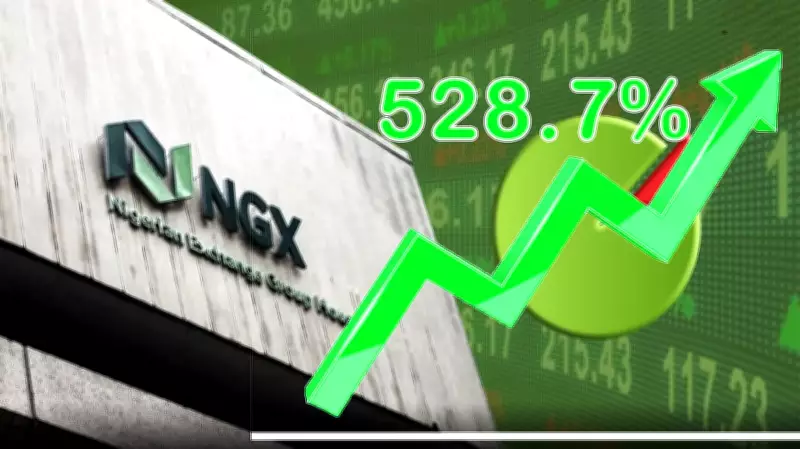
One of the clearest indicators of this recalibration is the performance of the capital market. The Nigerian Exchange has delivered a strong rally in recent times, with the All-Share Index gaining over 50 percent in 2025 and market capitalization approaching N100 trillion. This performance reflects renewed investor confidence, stronger corporate earnings, and a re-rating of equities in response to changing macroeconomic realities.
At the same time, capital inflows are beginning to recover. Total inflows rose significantly in 2025 to over $23 billion, largely driven by foreign portfolio investors seeking high yields. However, much of this capital remains short-term in nature, highlighting a structural gap. Long-term investments, particularly foreign direct investment, remain relatively subdued due to concerns around policy consistency, currency volatility, and infrastructure constraints. This dynamic reveals a deeper challenge: Nigeria is attracting capital, but not yet anchoring it. The next decade will depend on the country’s ability to convert short-term inflows into long-term investments that drive sustainable growth.
The Shift Toward Intelligent Investing
The traditional investment playbook is increasingly under strain. For years, Nigerian portfolios have leaned heavily on fixed income, equities, and real estate. While these asset classes remain relevant, they are no longer sufficient on their own. Rising interest rates, inflationary pressures, and liquidity constraints are forcing investors to rethink how they allocate capital.
In response, a more adaptive approach is emerging. Intelligent investing is no longer a concept, but a necessity. It is defined by the integration of data, technology, and strategic foresight. It moves beyond passive allocation toward dynamic decision-making that anticipates market shifts rather than reacting to them.
From Assets to Ecosystems
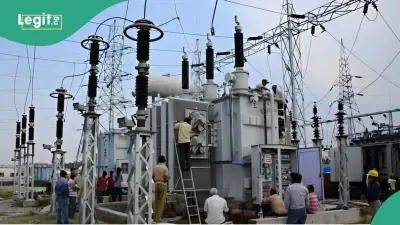
Another defining shift is the move from investing in isolated assets to investing in systems. Infrastructure, for example, is no longer viewed as a standalone investment, but as a catalyst for broader economic productivity. Investments in power, transportation, and digital connectivity have ripple effects across industries, unlocking growth in sectors such as manufacturing, agriculture, and services.
Similarly, Nigeria’s startup ecosystem continues to attract attention, particularly in areas such as financial technology and digital services. These sectors are not only creating new investment opportunities, but also redefining how value is created and scaled in the economy. However, unlocking these opportunities requires more than capital. It requires coordination, long-term thinking, and a deeper alignment between investors, institutions, and policymakers.
The Evolving Role of Financial Institutions
As the investment landscape becomes more complex, the role of financial institutions is also evolving. Institutions are no longer just intermediaries facilitating transactions. They are becoming strategic partners, helping investors navigate complexity and access integrated solutions. Firms like FSDH Group are part of this shift. Increasingly, investors are seeking a seamless interface across asset management, advisory, and capital market services. The idea of a one-stop financial partner is gaining traction because it addresses a fundamental need for simplicity, efficiency, and insight in a fragmented market environment.
Technology as a Strategic Enabler
Technology continues to reshape the investment landscape in profound ways. The rapid adoption of digital financial platforms has already expanded access to investment opportunities, particularly among younger and previously underserved demographics. The next phase of this transformation will involve deeper integration of advanced technologies such as artificial intelligence and data analytics into investment processes. These tools have the potential to enhance decision-making, improve risk management, and increase transparency. However, their impact will depend on how effectively they are embedded within broader institutional strategies.
Collaboration as the New Imperative
Perhaps the most significant shift in the next decade will be the move toward collaboration. The complexity of today’s investment environment means that no single player can operate effectively in isolation. Investors, financial institutions, regulators, and entrepreneurs must work together to build systems that are resilient, transparent, and capable of adapting to change. The future of investing will be shaped not just by individual strategies, but by collective intelligence. It will require shared insights, aligned incentives, and a commitment to long-term value creation.
A Platform for Shaping the Future
As these conversations gain urgency, platforms that bring together diverse stakeholders are becoming increasingly important. They provide a space for dialogue, alignment, and the exchange of ideas that can shape the future of investment. The upcoming FSDH Investors’ Conference, themed “Co-creating the Future of Intelligent Investing,” reflects this moment of convergence. Scheduled to hold on Tuesday, May 5, 2026, the invitation-only hybrid conference will convene leaders across finance, policy, and innovation to explore the trends shaping capital flows, reimagine investment frameworks, and identify new frontiers in technology and alternative assets.
With keynote insights from Dr. Emomotimi Agama, Director General, Securities & Exchange Commission, the conference is positioned as more than a gathering. It is a platform for alignment, where ideas can be tested, perspectives challenged, and strategies refined. Reimagining investment in Nigeria is not simply an economic necessity. It is a strategic imperative. And for those willing to engage with this new reality, the opportunity is not just to participate in the future, but to help shape it.