Federal Government Approves Electric Buses for Civil Servants to Boost Local Manufacturing
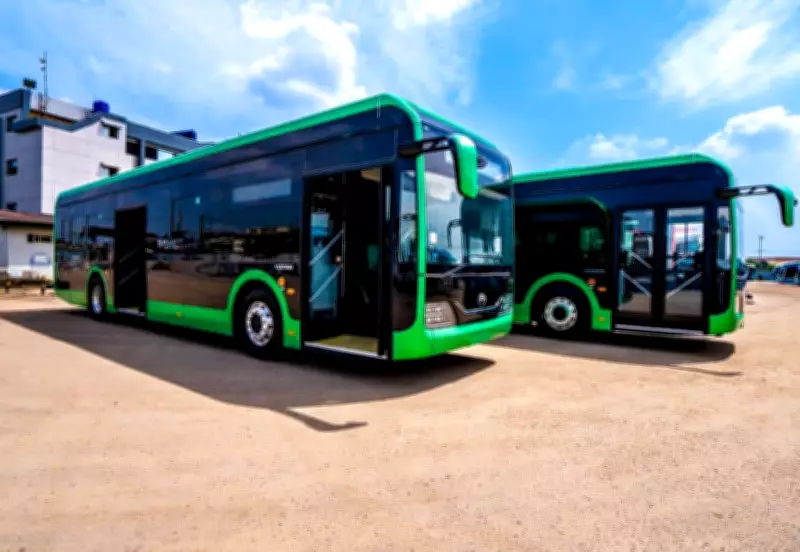
The Federal Government of Nigeria has officially approved the acquisition of electric buses for civil servants as part of a strategic initiative to promote cleaner transportation and significantly boost local vehicle manufacturing. This development was announced in Abuja by Joseph Osanipin, the Director-General of the National Automotive Design and Development Council (NADDC).
Sourcing from Local Assemblers to Strengthen Domestic Production
Osanipin emphasized that the electric buses will be sourced directly from local assemblers, a move designed to strengthen domestic production capabilities and stimulate substantial growth in Nigeria's automotive sector. He stated, "The initiative is aimed at encouraging the transition to cleaner mobility while creating opportunities for local manufacturers." This approach not only supports environmental sustainability but also fosters economic development by keeping production within the country.
Deployment of Charging Infrastructure Nationwide
In addition to the buses, the government has procured comprehensive charging infrastructure that will be deployed across various parts of the country to support the widespread adoption of electric vehicles. This infrastructure is crucial for ensuring the practicality and efficiency of the electric bus fleet, addressing potential range anxiety and promoting long-term use among civil servants and the general public.
Establishment of the Nnewi Automotive Development Park
As part of broader efforts to develop the automotive sector, the NADDC is actively establishing the Nnewi Automotive Development Park in Anambra State. Osanipin explained, "We are developing the Nnewi Automotive Development Park where we will provide the necessary infrastructure so that users of the park can share facilities." This shared infrastructure model is intended to reduce costs for investors and manufacturers, enabling them to operate without bearing the full financial burden of setting up independent facilities.
Seeking Additional Investment and Enhancing Local Production
The council is currently seeking additional investment to accelerate the development of the park and attract more industry participants. Osanipin urged Nigerians to support locally assembled vehicles, noting that increased patronage would help create jobs and drive economic growth. He highlighted that the NADDC is providing specialized training to manufacturers and stakeholders to enhance the local production of critical vehicle components, such as batteries and tyres.
Economic Benefits and Collaboration with Financial Institutions
Osanipin underscored the economic benefits of this initiative, stating, "The move will reduce import dependence, create employment opportunities, and contribute to the country's Gross Domestic Product." To further support these efforts, the NADDC is collaborating with the Bank of Industry Nigeria to facilitate the disbursement of the National Automotive Development Fund to qualified stakeholders, ensuring that financial resources are available to drive innovation and expansion in the sector.