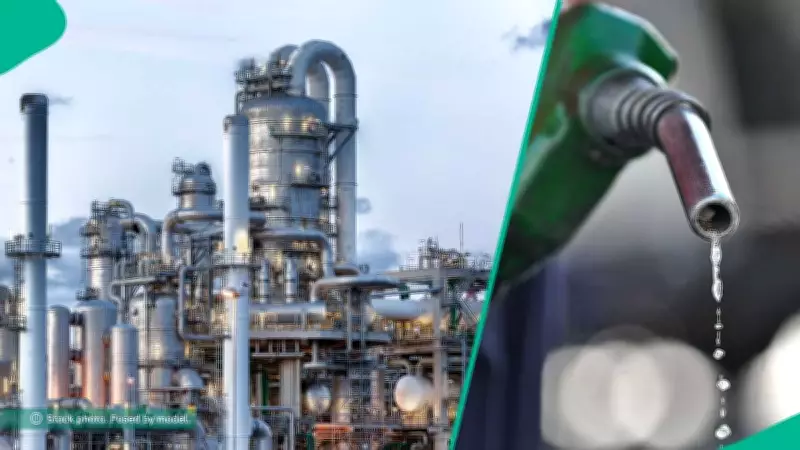
Cameroon is set to begin fuel production from its new Mboro refinery in December 2026, marking a significant step toward improving domestic refining capacity and reducing dependence on imported petroleum products. The refinery, located near Kribi in the southern part of the country, will initially operate at a processing capacity of 10,000 barrels per day (bpd), according to SNH, the state-owned oil company.
First Phase to Cover 22% of Domestic Demand
The first phase of the project is expected to meet approximately 22% of Cameroon's domestic gasoline and diesel requirements once fuel production commences. This will enhance the availability of fuel within the country. SNH has confirmed that construction will begin in June, with procurement and fabrication of equipment for the first phase continuing through September.
Part of Larger Expansion Plan
The Mboro refinery is part of a broader plan to expand Cameroon's refining capacity to 30,000 bpd, with full capacity expected to be achieved by 2027. This development comes amid challenges faced by the country's primary refinery, Sonara, which has been largely idle since a devastating fire in 2019. Authorities hope to restart Sonara operations by December 2027 at a capacity of 42,000 bpd, and the Mboro refinery is expected to help address current fuel deficits.
Ownership and Financing
SNH holds a 20% stake in the Mboro refinery, while Tradex, a state-owned petroleum marketer, owns 31%. Dubai-based Ariana Energy controls the remaining 49%. The project is estimated to cost $520 million, funded through shareholder capital and debt financing. BGFI Bank will lead the financing syndicate, which is expected to provide $210 million in debt. Additionally, a 250,000-barrel petroleum products storage terminal will be constructed at Mboro, funded by SNH, with future plans for storage facilities for diesel, gasoline, aviation fuel, and kerosene.
Strategic Importance
The Mboro refinery will play a crucial role in reducing Cameroon's fuel imports and enhancing energy security, while also positioning the country as a more significant player in the regional refined products supply chain.
Comparison with Dangote Refinery
In related news, the Dangote Petroleum Refinery in Nigeria recently achieved its full nameplate capacity of 650,000 bpd, becoming one of the world's largest single-train refineries. This milestone followed the successful restoration and optimization of its Crude Distillation Unit and Motor Spirit production block.