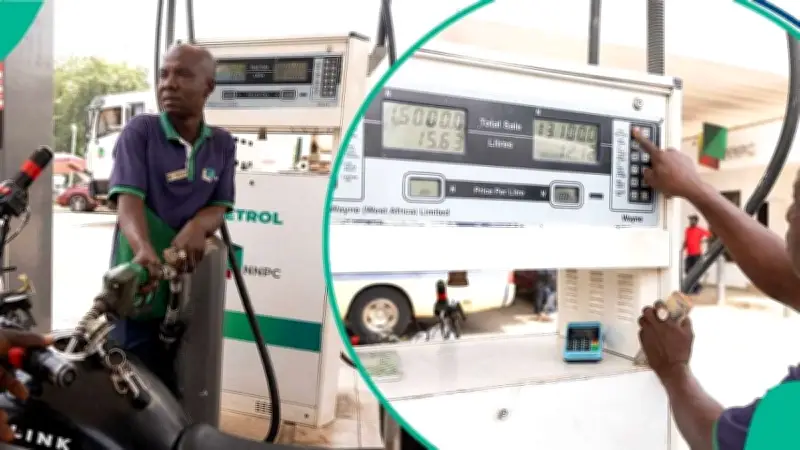
The Major Energies Marketers Association of Nigeria (MEMAN) has released new pricing data showing compressed natural gas (CNG) costs between N380 and N500 per standard cubic metre (scm), while imported petrol landed at N1,253 per litre, N33 above Dangote Refinery's ex-depot price of N1,210 per litre.
The figures were contained in MEMAN's Energy Bulletin dated October 21, 2026, which provides updates on Nigeria's downstream energy market. However, the association did not identify the filling stations or locations covered by the prices, making it difficult to establish whether the rates apply uniformly across the country.
CNG Prices Offer Motorists an Alternative Fuel Option
According to MEMAN, motorists using CNG-powered vehicles currently face prices ranging from N380 to N500 per standard cubic metre. The N120 difference between the lowest and highest reported prices highlights variations within the emerging market.
Although CNG is increasingly considered an alternative to conventional petroleum products, its affordability depends on several factors beyond the advertised pump price. These include vehicle fuel efficiency, conversion costs, driving distances and access to refuelling facilities.
Consequently, motorists cannot determine their actual savings by comparing CNG prices directly with petrol prices, since both fuels are measured differently. A more reliable assessment would compare the cost of travelling the same distance using each fuel.
Petrol Landing Costs Shape the Fuel Debate
The latest CNG pricing information comes amid continuing discussions about petrol import costs, domestic refining and the affordability of transportation fuels. Dangote Refinery's growing role in domestic petrol production has also intensified attention on the relationship between locally refined fuel and imported petroleum products.
MEMAN data reveals that petrol landed at N1,253 per litre, while Dangote's ex-depot rate remained at N1,210 per litre. Experts have attributed the gap to the continuous availability of petrol at the Dangote Refinery.
"Now, importers are increasingly resorting to buying from Dangote Refinery rather than importing. Also, the current high crude oil prices has caused foreign refiners to hike their rates," Adeola Yusuf, energy policy analyst, told Legit.ng on a phone call.
CNG Refuelling Infrastructure Remains a Major Challenge
Despite the potential benefits of CNG, access to refuelling infrastructure remains a significant consideration for prospective users. Unlike conventional petrol stations, CNG dispensing facilities are not yet equally accessible across Nigeria.
For commercial transport operators, the availability of refuelling stations along established routes could determine whether switching to gas is commercially practical. Vehicle owners must also consider the initial expense of converting petrol-powered vehicles or purchasing CNG-compatible models. Maintenance requirements, refuelling time and dependable gas supply could further influence adoption.
For fleet operators, lower fuel prices alone do not necessarily translate into reduced business costs. Companies must assess conversion expenses, vehicle efficiency, maintenance obligations and possible operational disruptions before switching fuels. A business operating vehicles on routes with accessible CNG stations may face different costs from another whose vehicles travel through areas with limited refuelling infrastructure.
Marketers Highlight Need for Transparent Pricing
The latest MEMAN bulletin provides a useful benchmark for monitoring CNG prices, but more detailed information would help consumers make informed decisions. Publishing prices by location and dispensing station could improve transparency while allowing motorists to compare available options.
Ultimately, wider CNG adoption will depend on competitive pricing, reliable supply, accessible infrastructure and consumer confidence. For Nigerians facing persistent transportation expenses, the emerging market presents another fuel option, although the extent of potential savings will depend on individual circumstances.
Legit.ng previously reported that the federal government removed the subsidy on Compressed Natural Gas (CNG), sparking a surge in prices across the country. Retailers confirmed that the cost of one standard cubic metre of CNG has climbed from around N220-N230 to as high as N420-N450, depending on the vehicle type and station.