
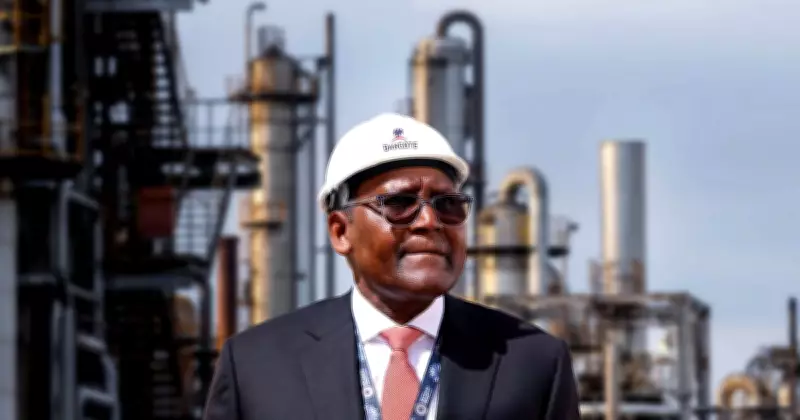
Aliko Dangote, the Nigerian industrialist, is planning a major expansion of his oil refining empire beyond Nigeria. He has proposed developing a large-scale refinery in East Africa, with potential locations in Tanzania or Kenya.
Project Overview
The Dangote Group, which already operates Africa's largest refinery in Lagos, Nigeria, is driving the project. The Nigerian facility has a refining capacity of about 650,000 barrels per day and is one of the continent's most significant private energy investments. The proposed East African refinery is expected to mirror this model.
According to reports, the project is still in the discussion and planning stage. Talks are ongoing between Dangote and several governments in the region, including Tanzania and Kenya, as well as broader regional stakeholders such as Uganda, South Sudan, and the Democratic Republic of Congo.
Regional Impact
The proposed refinery is expected to follow a regional model, serving multiple East African countries rather than a single domestic market. The aim is to reduce the region's heavy dependence on imported refined petroleum products, which currently exposes many East African economies to global oil price volatility, shipping disruptions, and foreign exchange pressures.
If approved, the refinery is expected to be built on a similar scale to the Nigerian facility, with capacity likely in the range of several hundred thousand barrels per day. Industry estimates suggest a construction timeline of around four to five years, depending on regulatory approvals, financing arrangements, and intergovernmental agreements.
Strategic Goals
The expansion reflects Dangote's broader strategy of strengthening Africa's downstream oil infrastructure and reducing reliance on imported fuel. His Lagos refinery has already been described as a transformative project for Nigeria's energy sector, with the potential to significantly reduce fuel imports and improve domestic supply stability.
The East African proposal also aligns with wider continental economic goals, including the African Continental Free Trade Area (AfCFTA), which encourages cross-border industrial projects and regional value chains. A shared refinery could enhance energy security and potentially stabilize fuel prices across multiple countries.
Challenges and Prospects
However, the project's success will depend on political cooperation, regulatory frameworks, and infrastructure readiness in the host country. Analysts note that multi-country energy projects often face delays due to coordination challenges, investment risks, and policy differences.
Despite these challenges, the proposal underscores Dangote's growing influence in Africa's industrial landscape, particularly in the energy and manufacturing sectors. If completed, the East African refinery would mark one of the largest private-sector energy developments in the region, further extending Nigeria's industrial footprint across the continent and reshaping fuel supply dynamics in East Africa.




