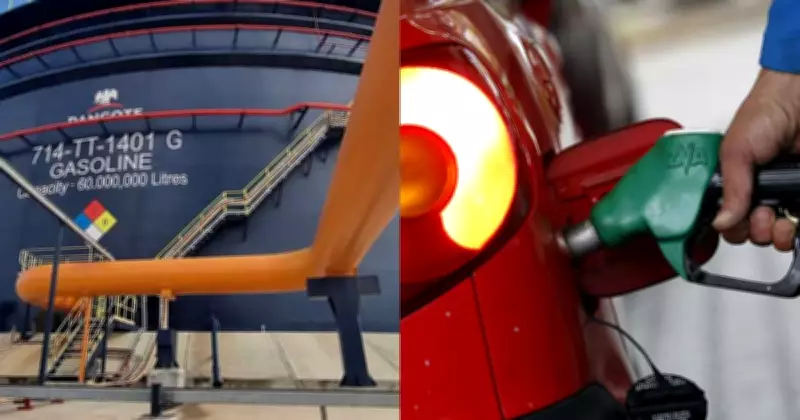
Dangote Refinery Announces Third Petrol Price Hike in One Week
The Dangote Refinery has implemented a significant price adjustment for Premium Motor Spirit (PMS), commonly known as petrol, raising the cost to ₦1,175 per litre. This marks the third consecutive increase within a span of just seven days, reflecting mounting pressures in the global energy market.
Sharp Increase in Ex-Depot Prices
Announced to marketers and depot operators on Monday, this latest adjustment represents a substantial jump from the previous ex-depot price of ₦995 per litre set on Friday. The increase of ₦180 translates to an 18.1% rise in just three days, highlighting the volatility currently characterizing Nigeria's fuel pricing landscape.
In addition to petrol, the refinery has also revised the price of Automotive Gas Oil (diesel), now set at ₦1,620 per litre. This follows earlier adjustments that had already elevated diesel prices from ₦774 to ₦995 per litre last week, indicating broader inflationary trends across petroleum products.
Global Factors Driving Price Surges
These price hikes by Nigerian oil companies appear directly linked to the escalating global energy crisis, exacerbated by geopolitical tensions including events in the United States and the ongoing conflict with Iran, now entering its second week. On Monday, Brent crude oil was trading above $105 per barrel, maintaining pressure on downstream operations.
The market is rapidly shifting focus beyond logistical challenges such as shipping delays and increased costs due to risks in the Strait of Hormuz. Concerns are now mounting about potential major disruptions to actual oil supply, particularly from Gulf producers, which could fundamentally tighten global availability.
Expert Analysis on Market Vulnerability
According to commentary from Globaldata, "The pace at which oil prices moved from below $100 to above $115 highlights how thin the market’s spare capacity buffer has become." The analysis further notes that "Even relatively small disruptions to Gulf production can trigger outsized price movements because the region accounts for a disproportionate share of globally traded crude."
The current price surge also underscores concentration risks within the global oil system, with a significant portion of exports from Saudi Arabia, Iraq, Kuwait, and the UAE passing through the Strait of Hormuz. This geographical bottleneck leaves global energy supply particularly vulnerable to geopolitical disruptions in this critical maritime corridor.
Economic Implications and Market Reactions
Financial markets are already beginning to factor in the broader economic consequences of this oil shock, including:
- Higher expected inflation rates
- Increased currency fluctuations
- Pressure on stock markets in energy-importing nations
An illustrative example of this shifting investor sentiment is Oando, which experienced a 19% surge in its stock price as market participants redirected attention toward energy sector equities. This movement suggests growing anticipation of continued volatility and potential profitability in petroleum-related investments.
The consecutive price adjustments by Dangote Refinery signal a challenging period ahead for Nigerian consumers and businesses, with energy costs likely to remain elevated amid persistent international uncertainties. Market observers will closely monitor further developments in global oil dynamics and their domestic repercussions.