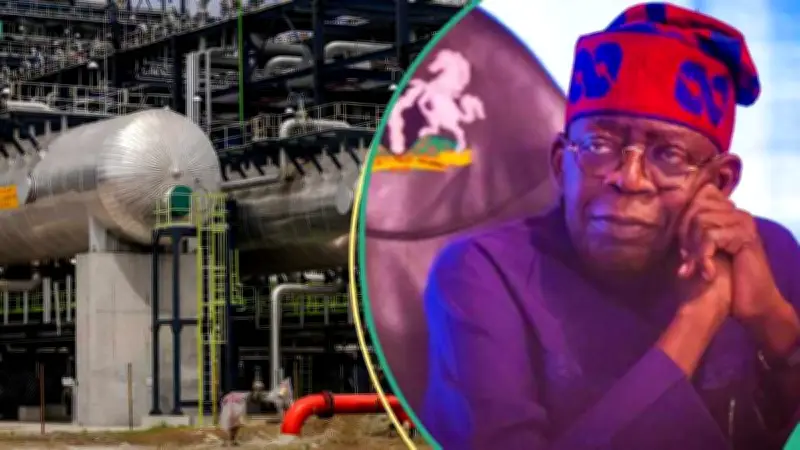
The Federal Government and the Nigerian National Petroleum Company Limited (NNPCL) have been called on to revive Nigeria’s government-owned refineries as petrol prices continue to rise and increase the financial burden on Nigerians. The call was made by Dr Joseph Obele, National Public Relations Officer of the Petroleum Products Retail Outlets Owners, in a statement issued on Thursday, September 17, 2026.
Immediate Priority: Restart Government-Owned Refineries
Obele said bringing the refineries back into operation would boost local fuel supply, reduce Nigeria’s dependence on imported petroleum products and help cushion the impact of rising prices. According to the petroleum expert, the government should make the immediate restart of its refineries a priority while ensuring that available refining capacity is fully utilised.
“The immediate approach to the recent rise in petroleum prices is to restart the government-owned refineries,” he said. Obele also urged the government to support responsible private-sector investment and promote healthy competition within the downstream oil sector.

Rising Crude Prices and Inflationary Pressures
He expressed concern about the impact of rising crude oil prices, particularly amid geopolitical tensions involving the United States, Iran and the Strait of Hormuz. He warned that higher petroleum prices would likely push up the cost of goods and services across the economy, worsening inflation and increasing the financial pressure on households.
Obele specifically called on the Federal Government and NNPCL to commence production at the Port Harcourt and Warri refineries, describing domestic refining as increasingly important as petroleum products become more expensive.
Refineries as a Measure of Government Performance
He said getting the refineries operational before the 2027 general elections would be significant for Nigeria’s energy security and could provide a tangible measure of the government’s performance in the petroleum sector. “The Port Harcourt refinery should become a measurable demonstration of government’s commitment to the welfare of Nigerians. If the refinery is successfully restarted before the 2027 elections, it will give citizens an opportunity to assess the administration’s performance in the petroleum sector based on tangible results.”
Obele added that Nigerians were looking for concrete results, arguing that a functional Port Harcourt refinery could support economic activities and demonstrate Nigeria’s ability to maximise its own petroleum resources. “The time to restart the Port Harcourt refinery is now. Nigerians cannot continue to bear the unbearable cost of petroleum products when domestic refining capacity is available. Every viable refinery should be optimally utilised in the national interest,” he said.