
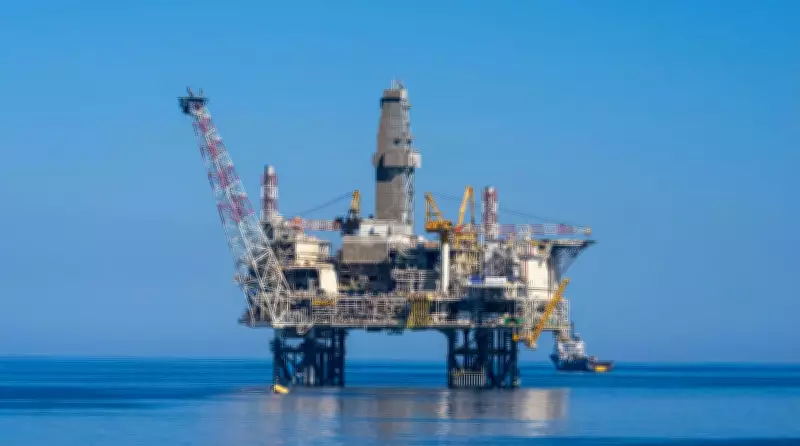
Nigeria Loses N22 Trillion Yearly to Oil Rig Tax Evasion and Foreign Marine Dominance
In a stark revelation, maritime lawyer and Senior Partner at Olisa Agbakoba Legal (OAL), Olisa Agbakoba, has disclosed that the Federal Government is losing an estimated N22 trillion annually due to offshore oil rig tax evasion and the overwhelming dominance of foreign firms in key oil and gas maritime services. This significant financial hemorrhage was highlighted in a position paper submitted to the Minister of Marine and Blue Economy, Dr Adegboyega Oyetola.
Tax Evasion by Offshore Oil Rig Operators
Agbakoba confirmed that offshore oil rig operators in Nigerian waters are not paying taxes, a fact verified by the Nigerian Maritime Administration and Safety Agency (NIMASA). He described this as a major gap in government revenue collection, with losses from oil rig taxation alone estimated at N6 trillion yearly, which represents approximately 17 percent of Nigeria's national budget. "NIMASA has confirmed that tax is currently not collected from oil rigs," he stated, noting that these operators have formed a cartel to evade taxes. OAL is currently representing NIMASA in a tax avoidance case instituted by oil rig companies.
Urgent Need for Legal and Policy Reforms
The maritime lawyer emphasized that urgent legal and policy reforms are necessary to enable the government to capture the significant revenue potential from offshore operations. Key recommendations include:
- Amending the NIMASA Act 2007 to expand the agency's mandate beyond shipping regulation, marine labour, and environmental protection to include marine conservation and blue economy oversight.
- Establishing a comprehensive taxation framework for offshore oil rig operators.
- Increasing penalties for maritime pollution, illegal vessel operations, and labour violations.
- Strengthening NIMASA's role in coastal tourism development and renewable marine energy initiatives.
Proposed Legislative Measures
Agbakoba called for the enactment of a Marine Pollution Control and Climate Adaptation Act to address environmental threats such as oil spills, ship-based pollution, and plastic waste in Nigerian waters. This legislation would:
- Compel offshore oil and gas companies to develop spill response and clean-up plans.
- Support coastal communities with climate adaptation strategies, including shoreline protection and disaster response.
- Mandate green shipping initiatives, such as reduced carbon emissions for vessels.
Additionally, he recommended amendments to the Petroleum Industry Act 2021 to strengthen regulations governing offshore drilling, reduce environmental risks, and introduce mandatory decommissioning funds to ensure oil companies clean up offshore installations at the end of their operational life.
Other Critical Reforms
Further proposals include:
- Creating a Marine Pollution Task Force to monitor and enforce environmental regulations across ports, coastal industries, and offshore platforms.
- Amending the Exclusive Economic Zone Act 1978 to update and expand Nigeria's control over deep-sea mining and marine biodiversity conservation, with provisions for sustainable offshore energy projects like wind farms.
Revenue Losses Beyond Taxation
Beyond tax evasion, Agbakoba highlighted that Nigeria is losing about N16 trillion yearly from oil and gas maritime services due to foreign dominance. Key areas of loss include:
- Over $1 billion worth of legal services annually lost to foreign firms.
- Nigerian shipping companies being largely excluded from transporting the country's crude oil products.
- Revenues from crude oil production being domiciled in foreign banks for extended periods before remittance to the Central Bank of Nigeria.
- No local marine insurance company participating in underwriting insurance for the over 1,000 oil rigs operating in Nigerian waters.
Learning from Global Models
Agbakoba contrasted Nigeria's situation with Saudi Arabia's successful In-Kingdom Total Value Add (IKTVA) programme, which mandates strong local content participation to retain value within the domestic economy. To recapture these losses, he recommended:
- Amending the Merchant Shipping Act 2007 to regulate the shipping industry, ship registration, and safety, and reviewing the legal framework for cargo shipment from the Free on Board (FOB) model to the Cost, Insurance and Freight (CIF) model to support national shipping fleet growth.
- Stricter enforcement of the Nigerian Oil and Gas Industry Content Development Local Content Act 2010 across all sectors where Nigerians remain excluded, including legal services, shipping, banking, and insurance.
Implementing these reforms could unlock new revenue streams for Nigeria through royalties from offshore drilling, corporate taxes on deep-sea operators, pipeline installation fees, seabed resource extraction rights, tax revenue from private-sector investments in marine aquaculture and offshore energy projects, and carbon credit sales from clean marine energy initiatives.




