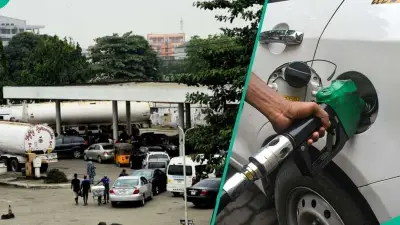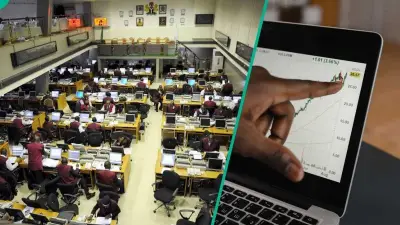
The Nigerian Midstream and Downstream Petroleum Regulatory Authority (NMDPRA) has granted the Lagos Commodities and Futures Exchange (LCFE) a license to facilitate the trading and clearing of petroleum liquids, a move expected to strengthen price transparency and help businesses manage fluctuating energy costs. The approval, announced on October 18, 2026, aims to bring clearer, market-based fuel prices to Nigeria, potentially benefiting motorists, airlines, manufacturers, and transport operators.
How the New Fuel Trading System Will Work
The LCFE plans to connect Nigeria's physical petroleum market with the capital market through a technology-driven trading platform designed to establish credible domestic reference prices. According to a statement from LCFE Managing Director and Chief Executive Officer Akin Akeredolu-Ale, the initiative will replace fragmented pricing information with reliable market data.
“At the heart of the initiative is the need to establish reliable domestic reference prices for petroleum products based on observable market activity rather than fragmented quotations and individual commercial negotiations,” Akeredolu-Ale said. The platform will introduce standardised trading contracts, two-way price quotations, and transparent transaction processes, enabling petroleum buyers to compare supplier offers, negotiate better commercial terms, and make informed purchasing decisions.
Airlines, Motorists, Manufacturers May Benefit
Akeredolu-Ale explained that businesses heavily dependent on petroleum products could benefit from improved budgeting, procurement planning, and cost forecasting. Airlines, manufacturers, distributors, and transport companies would have access to more dependable pricing information, potentially reducing uncertainty surrounding fuel purchases. For refiners and petroleum marketers, the platform could improve inventory valuation, sales planning, profit-margin analysis, and working-capital management.
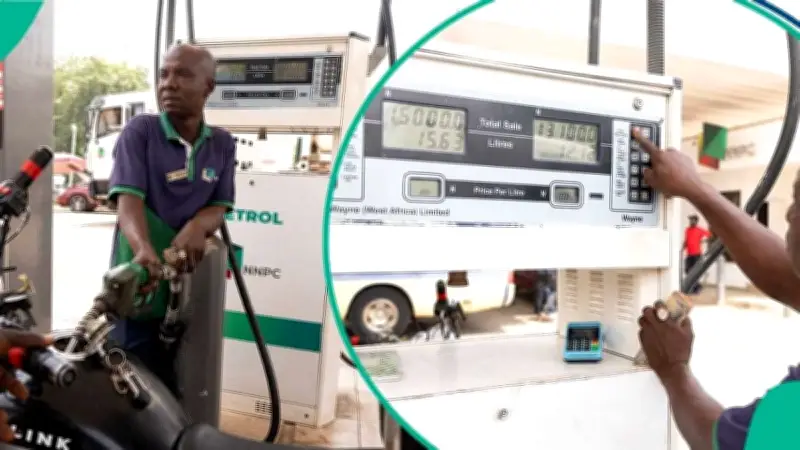
Greater transparency could also encourage competition among petroleum suppliers, potentially improving pricing, product quality, and supply reliability. However, the approval does not introduce a government-imposed fuel price cap or guarantee lower pump prices. Although motorists may benefit indirectly from a more competitive petroleum market, the Exchange's initiative does not automatically translate into cheaper petrol at filling stations.
New Opportunities for Investors and Banks
Beyond fuel trading, the LCFE expects the initiative to create opportunities for financial institutions, investors, and petroleum businesses. Akeredolu-Ale said the proposed infrastructure could support trade financing, collateral management, and improved commercial risk assessments as the market develops. He stressed that reliable clearing and settlement arrangements, product verification, and effective risk-management controls would be critical to building investor confidence.
What This Means for Nigeria's Fuel Market
The development comes amid Nigeria's downstream petroleum deregulation and expanding domestic refining capacity, which have increased demand for credible pricing benchmarks. Akeredolu-Ale maintained that the initiative's success would depend on active participation by refiners, marketers, and qualified traders, alongside consistent publication of reliable market data, according to a report by Leadership.
If successfully implemented, the platform could make Nigeria's petroleum market more transparent, competitive, and predictable, offering businesses greater certainty in an industry where fuel price fluctuations influence nearly every sector of the economy.
In related news, Nigeria's hopes of cheaper fuel face fresh pressure as petrol depot prices climbed across Lagos, Warri, Port Harcourt, and Calabar during the week ended Friday, October 9, 2026. Depot intelligence figures reviewed showed widespread increases between October 5 and October 9, with petrol reaching ₦1,370 per litre in Calabar. Diesel also became more expensive at several locations, closing at ₦2,000 per litre at Matrix's Warri depot.