Global Oil Prices Surge Past $119 Amid Middle East Tensions, Driving Up Nigeria's Petrol Costs
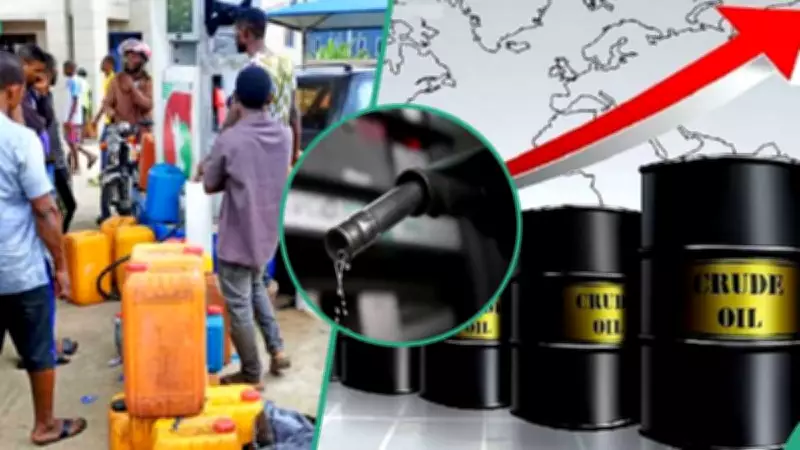
Global oil prices have surged above $119 per barrel, driven by escalating tensions between Iran and Israel, which are raising fears of supply disruptions. In Nigeria, this spike is pushing petrol depot prices higher, with retail pump prices also increasing across major marketers. The development is worsening economic pressure on consumers, as higher fuel costs drive up transportation fares and overall living expenses.
Oil Markets Experience Sharp Upswing
Oil markets saw a sharp upswing on Thursday, with Brent crude oil climbing past $119 per barrel. The spike was driven by escalating conflict in the Middle East, which has unsettled global energy markets and heightened fears of supply interruptions. The latest surge follows retaliatory strikes by Iran targeting key energy facilities after Israel attacked the South Pars gas field. This back-and-forth has intensified concerns about a wider regional conflict that could significantly disrupt the flow of oil and gas worldwide.
Rising Fuel Costs Deepen Pressure in Nigeria
For Nigeria, the consequences are already being felt. Higher global crude prices are pushing up domestic fuel costs, worsening economic strain and complicating efforts to manage inflation. In the downstream sector, the depot (gantry) price of Premium Motor Spirit (petrol) has increased to about N1,200 per litre, up from N1,175, signaling the possibility of further hikes at the pump. According to data from Petroleumprice.ng, depots such as Parker and Zamson have adjusted their rates upward in response to global trends, underscoring how international price movements are quickly transmitted into local markets.
Retail prices across Lagos are also rising. Stations operated by MRS, linked to the Dangote Petroleum Refinery, are selling petrol at around N1,232 per litre, while Mobil outlets are dispensing at roughly N1,235. Other major marketers, including AP and NNPC stations, are pricing near N1,225 per litre, reflecting a widespread increase across the board.
Nigeria's Vulnerability to Global Oil Price Shocks
Despite efforts to strengthen local refining capacity, Nigeria remains highly exposed to global oil price shocks. Analysts point out that even with improved supply from the Dangote refinery, domestic fuel pricing is still shaped by international crude benchmarks, exchange rate fluctuations, and distribution costs. Meanwhile, motorists are voicing frustration as higher petrol prices begin to ripple through the economy, driving up transport fares and the cost of goods. Many are urging the federal government to implement targeted measures to ease the burden, as households continue to grapple with persistent inflation and shrinking purchasing power.
Strait of Hormuz Tensions Deepen Energy Uncertainty
Missile and drone attacks linked to the ongoing conflict have disrupted critical energy infrastructure in Qatar, including the Ras Laffan industrial hub and Shell’s Pearl gas-to-liquids plant, leading to shutdowns and heightening concerns over global LNG supply. Saudi Arabia and Kuwait have also reported strikes on key facilities, though some operations have since resumed. Meanwhile, tanker traffic remains strained, and growing security risks around the Strait of Hormuz are fueling uncertainty. Analysts warn that these disruptions could keep global oil and gas markets highly volatile in the near term.
Economic Impact on Nigeria
The escalating tensions in the Middle East are sending concerns through Nigeria's economy, with fuel prices alleged to skyrocket. Economist Paul Alaje warns that the conflict could push petrol prices to higher levels, spelling trouble for households and businesses alike. Nigerians who listened to the economist speaking during a recent interview had different things to say in the comments section, reflecting widespread anxiety over the economic implications.