
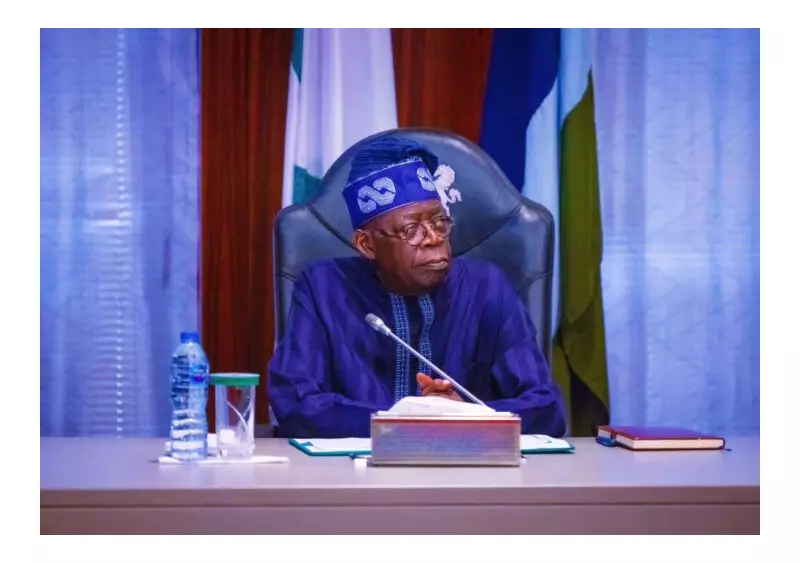
The Pan-Niger Delta Forum (PANDEF) has thrown its weight behind the sweeping reforms being implemented in Nigeria's oil and gas sector by President Bola Ahmed Tinubu. The influential regional body described the recent policy shifts as a crucial departure from years of inconsistent regulation and stagnation that plagued the industry.
Strategic Appointments and Regional Expectations
Speaking to journalists in Abuja on 19 December 2025, PANDEF's National Publicity Secretary, Ambassador Gidknows Igali, stated that the reforms have been met with "great appreciation and renewed expectation" across the Niger Delta. He emphasized the existential importance of the sector to the region, which directly experiences its impacts.
Igali highlighted the swift restructuring of the industry's regulatory framework as a clear sign of the administration's commitment to restoring efficiency and investor confidence. The forum singled out the appointment of Mrs. Oritsemeyiwa Amanorisewo Eyesan as the CEO of the Nigerian Upstream Petroleum Regulatory Commission (NUPRC) for particular praise.
"This is truly a square peg in a square hole," Igali remarked. He lauded Eyesan as a seasoned professional whose competence was evident during her screening, noting her previous role as Executive Vice President (Upstream) at the NNPC. He stated that her appointment reassures stakeholders that expertise, not sentiment, is guiding the reforms.
PANDEF also expressed strong confidence in the appointment of Engineer Saidu Aliyu Mohammed as CEO of the Nigerian Midstream and Downstream Petroleum Regulatory Authority (NMDPRA), viewing the dual appointments as complementary and strategically significant for the sector's future.
Calls for Inclusion and Environmental Justice
Despite its endorsement, PANDEF urged the Federal Government to deepen the reforms by ensuring greater representation of qualified professionals from the Niger Delta in top management positions. Igali argued that the region produces the highest concentration of trained oil and gas experts in Nigeria, pioneered by institutions like the University of Benin and the University of Port Harcourt.
"Giving them greater responsibility is not a concession—it is a strategic advantage for Nigeria," he asserted.
The forum also called for a significant expansion of environmental remediation efforts. While commending the ongoing Ogoni clean-up, PANDEF warned that limiting such initiatives to one area ignores the widespread ecological degradation across the entire Niger Delta, as confirmed by UNEP reports.
"Remediation must be holistic, sustained, and region-wide," Igali stressed, linking environmental restoration to the long-term viability of the oil sector and the restoration of trust with host communities.
Modular Refineries and a Gas-Powered Future
PANDEF renewed its call for the implementation of the Modular Refinery Development Fund, an agreement reached with the Federal Government in 2018. Igali explained that supporting community-based refineries would complement large facilities like Dangote Refinery, create jobs, reduce pipeline vandalism, and integrate host communities into the value chain.
Reaffirming the region's commitment to peace, PANDEF assured collaboration with state governments to maintain a stable operating environment. Dismissing predictions of fossil fuel's imminent decline, Igali highlighted Nigeria's vast gas reserves, exceeding 210 trillion cubic feet.
"Gas is currently the cleanest, cheapest, and most reliable transition fuel. With the right leadership, Nigeria can remain a dominant force in the global energy architecture for the next 50 years," he concluded.
The forum urged President Tinubu to sustain the reform momentum through inclusive appointments, environmental justice, and community-driven development, ensuring the sector serves the collective economic interests of all Nigerians.




