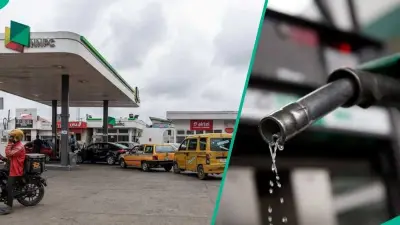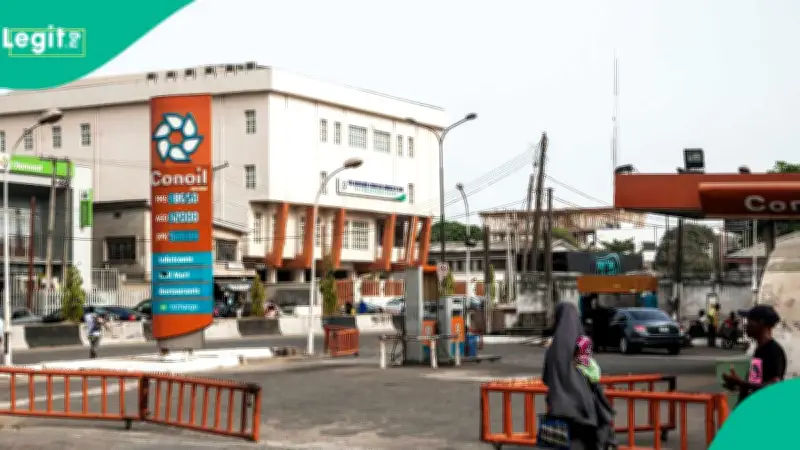
Petrol prices have fallen by up to ₦81 per litre at major depots in Nigeria, driven by intensifying competition between Dangote Petroleum Refinery and independent fuel marketers. Several Lagos depots cut wholesale prices between October 26 and October 30, while Calabar rates also declined, according to a Legit.ng report.
Dangote Refinery Drives Price Competition
One major factor behind the reductions is the growing influence of Dangote Petroleum Refinery on Nigeria's fuel supply chain. The refinery and marketers operating under its consortium arrangement have adjusted petrol prices, with reported gantry offers falling to approximately ₦1,210 per litre.
The reductions have placed independent depot operators under pressure to review their prices or risk losing customers to competitors offering cheaper products. Industry observers say the competition is particularly intense in Lagos, where several petroleum storage facilities compete for bulk buyers. With marketers increasingly sensitive to price differences, even modest reductions can influence purchasing decisions and force competing suppliers to respond.
Lagos Depots Record Significant Reductions
Between October 26 and October 30, petrol prices declined across several Lagos depots, with average reductions reaching approximately ₦81 per litre. African Terminal reportedly reduced its petrol price from ₦1,340 to ₦1,260 per litre, representing an ₦80 decrease.
Ardova also adjusted its wholesale price from ₦1,340 to ₦1,260 per litre during the period. Other depot operators, including Matrix and independent marketers, have reviewed their offers in response to changing market conditions. In Calabar, some reported wholesale prices fell towards ₦1,298 per litre, although actual rates vary by supplier, location and transaction date.
Global Crude Prices Influence Petrol Costs
International crude oil prices remain another important factor influencing domestic petrol prices. Lower crude benchmarks can reduce refining costs and imported petrol prices, depending on exchange rates, freight charges and contractual arrangements, according to a Punch report.
However, the relationship is not automatic. Nigeria's downstream market remains sensitive to foreign exchange movements, logistics expenses and international petroleum product prices. Consequently, declining crude prices do not necessarily translate into immediate or equivalent reductions at filling stations.
What Cheaper Petrol Means for Nigerians
For motorists, transport operators and businesses, sustained wholesale price reductions could eventually ease operating costs. However, depot prices differ from retail pump prices, which include transportation, distribution margins and other expenses. A reduction of ₦81 per litre at the depot therefore does not guarantee an identical decrease at filling stations.
Nevertheless, stronger competition between Dangote-backed marketers and independent suppliers could create further opportunities for price adjustments. For millions of Nigerians struggling with expensive transportation and rising living costs, the biggest test will be whether the wholesale reductions translate into meaningful savings at the pump.