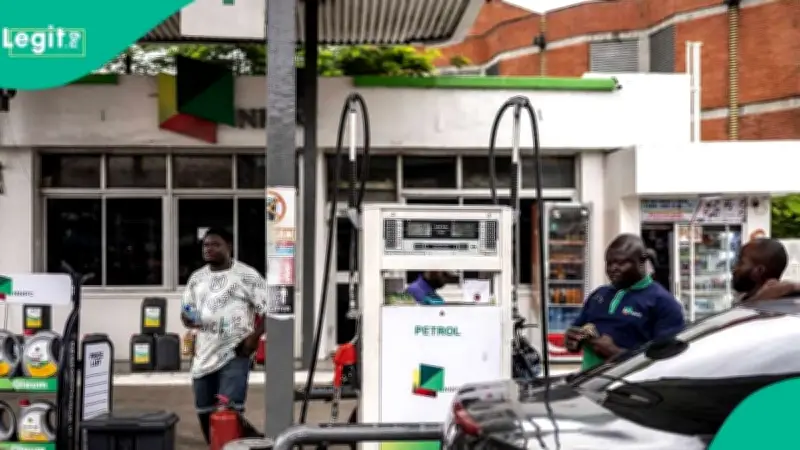
Petrol prices are nearing N1,500 per litre across parts of Nigeria as global crude oil prices surge above $100 per barrel, intensifying pressure on households and businesses already grappling with high energy costs. The latest increases have filtered through filling stations in major cities, with motorists in Abuja paying around N1,400 per litre at some outlets.
Crude oil rally drives retail price increases
Brent crude, the benchmark for Nigeria's oil exports, settled at $106.37 per barrel on Tuesday, while West Texas Intermediate rose to $102.90, according to market data. The rally has pushed production and import costs higher across the downstream petroleum market, prompting suppliers to adjust pump prices.
Dangote Petroleum Refinery recently raised its ex-depot petrol price to N1,350 per litre, a move that has begun to be reflected at retail outlets. Price checks showed FVB selling petrol at N1,350 per litre, while TotalEnergies' Apapa station quoted N1,310 as of September 13. In Lagos, prices hover around N1,350, depending on the marketer and location.

Diesel costs remain elevated, squeezing businesses
Diesel prices also remain high, with Northwest Petroleum's Mega Station and Eterna Filling Station selling automotive gas oil at about N1,890 per litre. The elevated fuel costs are hitting businesses across sectors, particularly those that rely heavily on generators due to unreliable electricity supply.
Nigerian Exchange Group data showed that several major listed companies recorded sharply higher energy costs during the first half of 2026. BUA Cement, for example, spent about N135.5 billion on energy between January and June, six per cent higher than during the corresponding period of 2025.
Kelvin Okechukwu, chief executive of a hospitality company, said diesel accounts for about half of his company's expenses, with hotels without solar installations facing an even heavier burden. Hospitality, manufacturing and food businesses are particularly vulnerable because many cannot significantly reduce electricity consumption without disrupting operations.
Manufacturers spend N1.34 trillion on alternative energy
Manufacturers are also spending heavily to keep their factories running, according to a BusinessDay report. Segun Ajayi-Kadir, Director-General of the Manufacturers Association of Nigeria, said manufacturers spent approximately N1.34 trillion on alternative energy in 2025, up from N1.11 trillion in 2024.
The money went largely into diesel, gas and petrol as companies sought alternatives to unreliable grid electricity. For consumers, the concern is that businesses may eventually transfer much of the additional cost to customers through higher prices for goods and services.
Federal government to probe petrol pricing
Legit.ng earlier reported that Nigeria's federal government is moving to tighten oversight of petrol pricing after filling stations in several parts of the country raised pump prices following a price adjustment by Dangote Petroleum Refinery. The refinery increased its Premium Motor Spirit ex-gantry price from N1,265 to N1,350 per litre, a rise of N85 or about 6.7%, citing higher international crude oil prices.
With Brent crude approaching $110 per barrel, another sustained rise in international oil prices could keep pressure on Nigeria's petrol market, leaving motorists, manufacturers and households bracing for further increases.