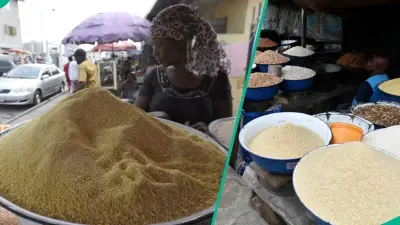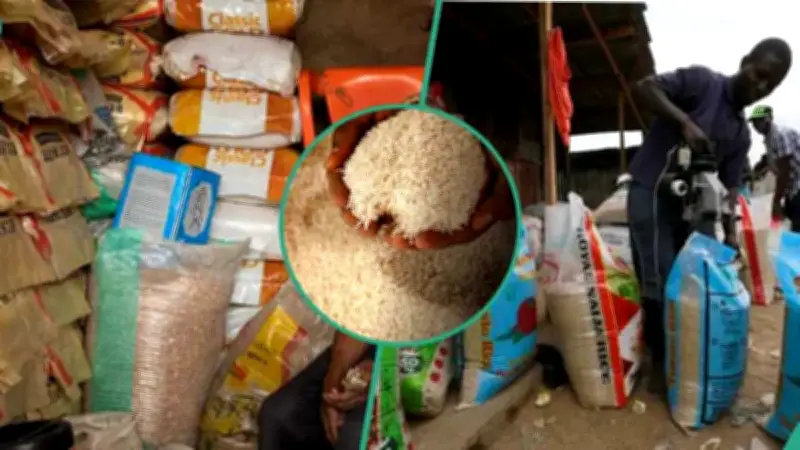
Rice millers in Nigeria have accused the federal government of allowing imported rice to undermine local producers, warning that the practice could weaken the country's rice processing industry. The processors said the importation of semi-processed brown rice was making it difficult for local mills to compete, especially as they grapple with high production costs, expensive energy, and inadequate supplies of paddy.
RIPAN President Highlights Import Concerns
The president of the Rice Processors Association of Nigeria (RIPAN), Mohammed Abubakar Maifata, said the situation was affecting the industry's ability to operate sustainably despite efforts to develop domestic rice production. Speaking at a meeting with government officials, farmers, and industry representatives, Maifata said he had shown the authorities a video of rice being offloaded at Port Harcourt to support his concerns about ongoing imports.
According to him, continued importation could undermine investments in local rice production, regardless of the amount of money committed to developing the sector. He warned that Nigerian producers would struggle to match the production costs of countries such as India and Thailand, which have established rice industries.
Millers Raise Concerns Over Import Waivers
A member of RIPAN, who spoke anonymously, also criticised the government's reported arrangement that allowed one or two individuals to import semi-processed brown rice after the removal of a 30 per cent levy. The processor argued that the arrangement could give selected importers an advantage over local millers, who continue to bear the cost of processing rice in Nigeria.
The general manager of Labana Rice Mills, Alhassan Yusuf, similarly alleged that selective waivers for brown rice imports were putting local farmers and processors at a disadvantage. He suggested that the government consider extending any such import arrangement to all millers while ensuring that local farmers received adequate support. However, the allegations concerning import waivers and their effects on domestic producers require clarification from the relevant government authorities.
Why Millers Say Local Rice Remains Expensive
The dispute comes as the federal government seeks to reduce the price of a 50kg bag of milled rice from the prevailing N60,000–N67,000 range to between N55,000 and N57,000. Government officials said their assessment put the average production cost of a 50kg bag at N49,389.23, arguing that current market prices were too high.
Rice processors, however, maintain that the cost of paddy, electricity, diesel, and other operating expenses makes it difficult to reduce prices without affecting their businesses. The managing director of Umza Rice Mills also disclosed that the company spends approximately N100 million monthly on electricity, with diesel costs potentially bringing the combined expense close to N200 million.
Processors have called for government support through tax relief, improved electricity supply, and measures to increase domestic paddy production. They argue that addressing these challenges would help local mills compete more effectively while making rice more affordable for Nigerian consumers.