Nigeria's Critical Challenge in Meeting SDG Housing Targets by 2030
With less than five years remaining until the 2030 deadline for the United Nations Sustainable Development Goals (SDGs), Nigeria confronts a pressing housing crisis that threatens to derail progress toward SDG 11, which aims to create inclusive, safe, resilient, and sustainable cities. The country's rapidly growing population, projected to exceed 460 million by 2030, exacerbates an already severe housing shortage, leaving millions in overcrowded or substandard conditions.
Alarming Housing Deficit and Supply Shortfalls
Recent data from the Federal Government reveals a staggering housing deficit of approximately 14.9 million units across Nigeria. This gap highlights the immense disparity between housing demand and supply, with current formal yearly output estimated at only 100,000 to 150,000 units. To keep pace with demand, experts assert that Nigeria must deliver at least 550,000 new homes annually over the next decade, yet achieving a meaningful reduction in the deficit would require 800,000 to 900,000 units per year.
Beyond the sheer number of missing homes, government assessments indicate that about 15.2 million existing housing units are structurally inadequate, lacking essential services such as clean water, sanitation, electricity, or structural safety. Urban centers like Lagos are particularly affected, with a deficit of 3.4 million units despite decades of housing programs.
The Broader Impact of Housing on Sustainable Development
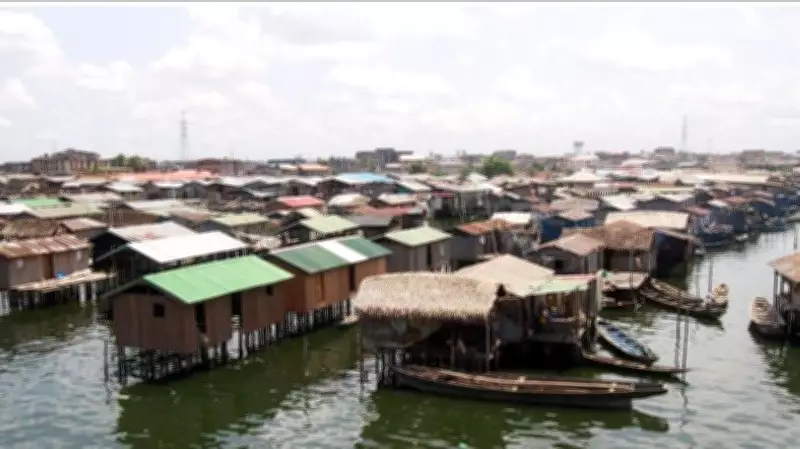
Housing is not merely a shelter issue; it is foundational to achieving multiple SDGs. Adequate housing contributes to poverty reduction, improved health outcomes, access to water and sanitation, and climate resilience. Safe and affordable homes enhance educational access, reduce health risks from overcrowding and poor sanitation, and provide family stability. However, in many Nigerian cities, rapid population growth has outpaced infrastructure development, leading to sprawling informal settlements vulnerable to flooding and disease outbreaks.
Government Initiatives and Persistent Barriers
The Federal Government has taken steps to address the crisis, including the establishment of a National Housing Data Technical Committee to improve data accuracy and initiatives like the Renewed Hope Housing Programme, rent-to-own schemes, and public-private partnerships. Despite these efforts, financing remains a major obstacle. Mortgage penetration in Nigeria is extremely low due to high interest rates, limited access to long-term loans, and weak housing finance institutions.
State governments hold a crucial role, as they control land administration and urban planning under the Land Use Act of 1978. Bureaucratic delays, high land costs, and weak planning systems often hinder housing development. Experts recommend digitizing land registries, simplifying approval processes, and establishing land banks to reduce costs and encourage private sector participation.
Private Sector and Climate Resilience
Given the scale of the deficit, private sector involvement is essential. Developers, housing cooperatives, and financial institutions have contributed to housing supply, but challenges like high building material costs, limited finance, and inadequate infrastructure constrain scaling. Incentives such as tax reliefs, land concessions, and streamlined approvals could boost investment. Additionally, innovative construction technologies, including prefabricated systems and alternative materials, offer potential cost reductions.
Climate resilience is another critical aspect of SDG housing. With increasing extreme weather events, housing designs must incorporate flood-resistant foundations, improved drainage, and energy-efficient materials to protect residents and align with global sustainability standards.
Expert Insights and Recommendations
Industry leaders emphasize the need for urgent reforms. Oluyemi Ejidiran, former Managing Director of Wemabod Limited, stated that meeting SDG 11 targets by 2030 is unlikely without immediate structural changes. He advocated for digital land titling, mass housing with locally sourced materials, and expanded mortgage systems beyond salary-based borrowers.
Stephen Jagun, former Chairman of the Lagos Branch of the Nigerian Institution of Estate Surveyors and Valuers (NIESV), highlighted affordability as a key challenge. He recommended rent-to-own schemes, cooperative housing, and micro-mortgages for informal sector workers, while cautioning against creating "low-income ghettos" by promoting mixed-income communities.
Adeolu Adejimi, Chairman of the Ogun State Branch of NIESV, called for multi-billion-dollar investments, policy reforms, and innovative solutions. He stressed the importance of a national housing policy with clear targets, increased budgetary allocations, and green building practices to drive sustainable urban planning.
Conclusion: A Call for Collaborative Action
Nigeria's journey toward SDG housing targets is fraught with challenges, but not insurmountable. Success hinges on stronger collaboration between federal and state governments, improved housing finance systems, land reforms, and enhanced private sector participation. Transparent data and measurable targets will be vital for tracking progress. As the 2030 deadline approaches, decisive action is imperative to transform cities into inclusive, sustainable communities for all Nigerians.