
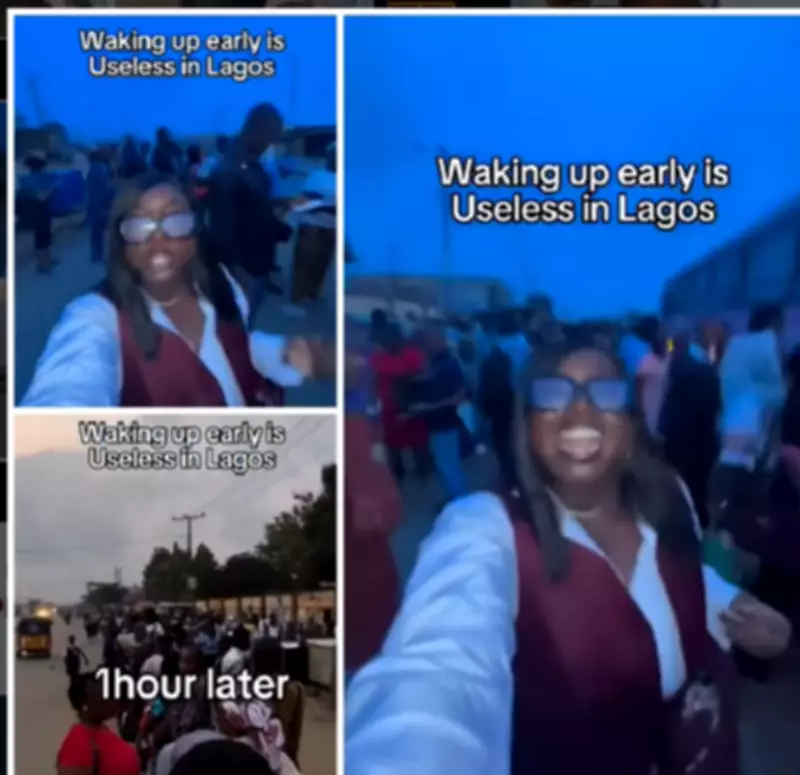
Lagos Resident Urges Government Action on BRT Bus Shortage
A concerned female commuter in Lagos has made a heartfelt public appeal to the Lagos State Government, calling for immediate intervention to address the severe shortage of buses in the Bus Rapid Transit system. In a widely circulated video shared on social media platforms, the lady expressed deep frustration over the inadequate number of buses operated by the Lagos Metropolitan Area Transport Authority, which she claims is failing to meet the daily transportation needs of the state's vast population.
Daily Commuter Struggles Highlighted
According to the lady, who represents the voice of countless residents, the current fleet of BRT buses is insufficient to cater to the high demand on major routes across Lagos. She detailed how commuters face significant hardships every day, including long waiting times, overcrowding, and missed appointments, due to the limited availability of public transport options. Her plea was direct and urgent: "Lagos State government, please do something. Provide enough buses." This statement underscores the growing public discontent with the transportation infrastructure in Nigeria's most populous city.
Social Media Amplifies the Appeal
The video was originally posted on Instagram by the popular blog Linda Ikeji, where it quickly gained traction among users who echoed similar concerns. The post, shared on March 9, 2026, at 3:37 PM, has sparked discussions about the broader issues of urban mobility and government responsiveness in Lagos. Residents have taken to the comments section to share their own experiences, with many calling for increased investment in the BRT system to alleviate the daily commute challenges.
This appeal comes at a time when Lagos continues to grapple with rapid urbanization and population growth, putting immense pressure on existing public services. The Lagos Metropolitan Area Transport Authority, responsible for managing the BRT system, has yet to issue an official response to the viral video. However, the incident highlights the critical need for sustainable transportation solutions to support the city's economic and social activities.
As Lagos strives to maintain its status as a major economic hub, addressing such public appeals could be key to improving the quality of life for its residents and fostering a more efficient urban environment.




