Afretrade, INC., a U.S.-based business consortium of experts in trade and technology, has announced the Afretrade Entrepreneur Festival (TAEF), which will kick off in Lagos today. The three-day summit aims to build a sustainable ecosystem for Africa’s economic renaissance with intention, capital, and urgency.
Grand Opening Plenary
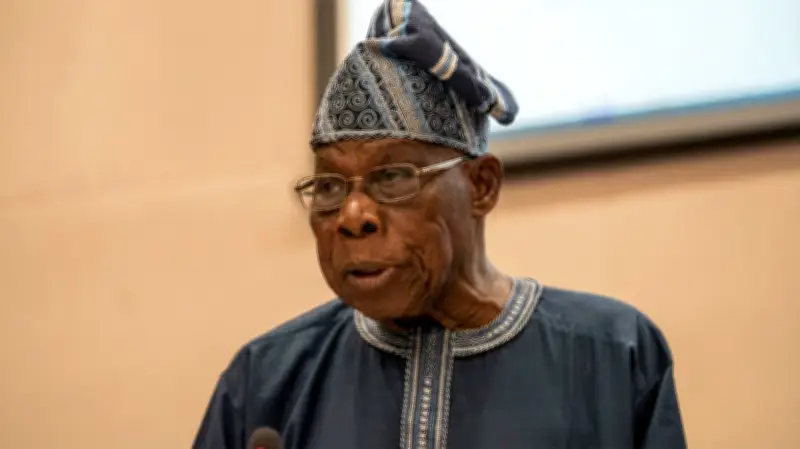
The event will open with a grand plenary where former President Olusegun Obasanjo, one of Africa’s most consequential pan-African voices, will deliver the keynote address, anchoring the formal launch of the Africa Economic Renaissance Movement. Toks Omishakin, Secretary of the California State Transportation Agency (CalSTA), will lead the official California delegation and speak on economic synergies between Lagos and California, the world’s fourth-largest economy.
Landmark Initiatives
According to the organizers, the festival will serve as the formal launch of two landmark initiatives: the Afretrade Africa Economic Renaissance Movement, a coordinated global effort to mobilize the African diaspora as an engine of trade, investment, and institutional development; and the Lagos–California Sister State Economic Corridor, designed to structurally connect two of the world’s most dynamic business ecosystems.
Festival Director and Chief Operating Officer of Afretrade Inc., Dr. Charly Lemassi, emphasized that the festival is not just a conference but a movement. “For the first time, we are bringing the full weight of the global African diaspora—investors, innovators, entrepreneurs, and policymakers—into one room with a single, shared mandate,” she said.
Timing and Urgency
Speaking on the importance of the event, Dr. Lemassi noted that the time is right. “We have been hearing that Africa is the next frontier, but I believe Africa is now—not next, but now. With current global events like trade tariffs, travel bans, and restrictions, many people are losing hope. People are battling inflation and rising costs of living. Financially, emotionally, and even mentally, people are tired and looking for solutions. Now is the time to provide that solution,” she stated.
She stressed that diaspora communities, many of whom have built capital and expertise in their countries of residence, are not waiting for governments to lead the charge. “We have not forgotten home; we often think about how we can support. We don’t want to leave everything to the government because we know many things will not get done, especially concerning empowering people financially. We cannot solve everyone’s problems, but we want to work with those who are ready, and those who are ready must be at the festival,” she added.
Overcoming Obstacles
Dr. Lemassi regretted the structural impediments that have kept intra-African trade below its potential, even as frameworks like the African Continental Free Trade Area (AfCFTA) exist to unlock it. She identified poor access to information as the first obstacle to be tackled, followed by access to networks and market intelligence. Access to funds remains a significant barrier, as many exporters lack the capital needed to expand manufacturing to fulfill export demands.
With 3,000 delegates from over 40 countries expected and high-level delegations confirmed from various nations, the combined economic footprint represented is projected to exceed $500 billion.