
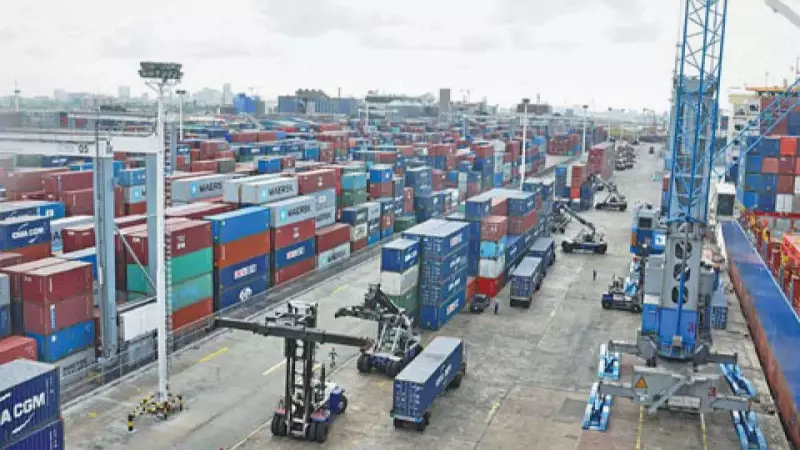
Licensed customs agents in Nigeria are raising alarms over potential widespread disruptions in cargo clearance operations, citing a significant surge in import activities during the crucial Ember months period.
Agents Report System Slowdowns During Peak Season
Mr. Kayode Farinto, former Vice President of the Association of Nigerian Licensed Customs Agents (ANLCA), has publicly called on the Nigeria Customs Service (NCS) to improve communication regarding slowdowns experienced on the B'Odogwu platform used for processing cargo clearance. Farinto emphasized that the Ember months traditionally bring a substantial increase in import volumes, placing immense pressure on all port systems, both digital and physical.
He noted that some users have reported concerning slowdowns, stressing that robust systems and logistics are paramount during this high-volume period ending the year.
NCS Disputes Widespread System Failure Claims
In a swift response, the National Public Relations Officer of the NCS, Dr. Abdullahi Maiwada, dismissed assertions of a system-wide outage affecting the B'Odogwu platform. Speaking on 21 November 2025, Maiwada insisted that the reported issues were most likely personal technical challenges affecting individual users rather than a general system failure.
"If a complaint has documentation issues or problems specific to him, I think it's better he rolls out his problem to the help desk team and find out what the problem is, not to make a general conclusion that the entire system is not working," Maiwada stated. He urged individuals experiencing difficulties to channel their concerns through the appropriate help desk channels for resolution.
Potential Ripple Effects on Economy and Trade
Farinto, who is also a Freight Forwarder and Customs Broker, outlined the severe consequences of such disruptions. He explained that any instability within the logistics chain, especially technology downtime, creates immediate ripple effects.
These disruptions can critically impact cargo release timelines, disrupt complex supply chains, and derail business schedules. This is particularly damaging for perishable goods and other time-sensitive imports and exports.
He warned that repeated system failures and instability are not just operational hiccups; they disrupt port operations and result in billions of naira in financial losses to the national economy. The supply chain disruption compromises timely access to raw materials and finished goods, which can lead to:
- Production delays in factories
- Potential factory shutdowns
- Job losses across sectors
- Higher prices for consumers
Furthermore, Farinto highlighted that persistent system failures undermine Nigeria's reliability as a trading partner, deterring much-needed foreign investment and diminishing international commercial confidence. This causes significant reputational damage to the country's entire trading community.
He appealed to the NCS to reassure the trading community with transparent updates, improved user support channels, and a long-term optimisation plan that guarantees uninterrupted service delivery as trade volumes continue to grow.
Finally, Farinto called upon the Ministry of Finance and the National Assembly to continue supporting the ongoing modernisation of Nigeria's customs processes. He stressed the importance of ensuring that direct feedback from stakeholders is actively reflected in all future system enhancements.




