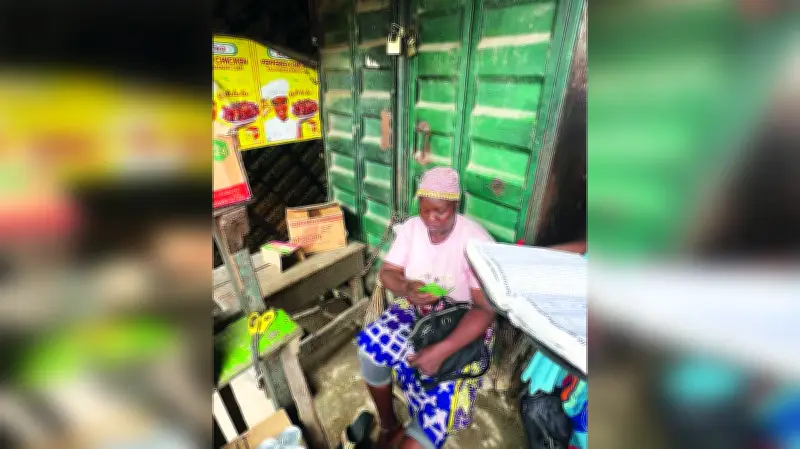
Exporters operating in Lagos Island, particularly at the Irewolede market, have appealed to the Federal Ministry of Industry, Trade and Investment (FMITI) to intervene against what they describe as needless harassment and high-handedness by the Lagos Island Local Government Area. The export market, largely informal and serving traders from Ghana, Togo, Liberia, and other West African nations, sees daily foot traffic of millions and generates hundreds of millions of naira in sales.
Allegations of Unlawful Landlord Imposition
Speaking with The Guardian, Alhaji Ambali Ajiboye, a representative of Alhaji Ayinla Nigeria Limited, explained that the area was ceded to the company in 1997, and since then, all required levies have been paid. However, last month, individuals claiming to be agents of one Salawe Sati Ramoni appeared, asserting that Ramoni was the new landlord. Ajiboye stated, "This was news to us as the land still belongs to Alhaji Abdulsalam Ayinla, rented to him by the Federal Ministry of Works and Housing and has neither been sold nor ceded out to someone else."
Failed Attempts at Resolution
Despite multiple efforts to meet with the council chairman for an amicable resolution, the attempts proved fruitless. The following week, exporters found their shops locked by the council. Ajiboye noted that all levies and taxes were paid up to date, questioning why export traders should suffer needlessly. He lamented, "We have been suffering all manners of exploitation, high-handedness, intimidation, and harassment from the local council for long. Is this how the government intends to grow the country’s non-oil export by allowing non-state players to frustrate us daily?"
Call for Protection
Ajiboye urged the FMITI and relevant trade protection agencies to intervene and prevent further harassment before the situation worsens. He emphasized that their only recognized landlord is the Federal Ministry of Works, and their license remains valid.
Financial Losses and Disruption
Omowunmi Jimoh, Iyalode Oja of Irewolede Market, reported that trading activities have suffered significantly, leading to substantial financial losses. "Our shops have been locked since last week, and we have lost billions of naira to this unnecessary lock. Many traders from Ghana, Togo, and other West African countries have been unable to buy goods," she said. She highlighted that even porters who assist with goods transportation are losing income.
Sherifat Mobolape Onitiju, Majero Oja, decried months of harassment and disruption. "We have been losing millions of naira daily since this closure started. We sell food items, and our goods are rotting away. Our creditors, the banks, are pressuring us to repay loans, but we cannot as our shops are locked. We call on the government to prevail on the local council to desist from harassing us and open our shops immediately," she pleaded.