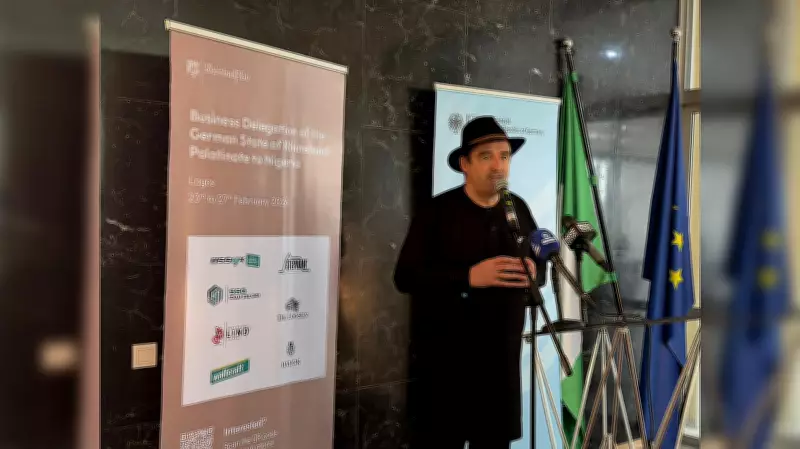
The Consul General of Germany in Lagos, Mr Daniel Krull, has announced that Germany is actively seeking to deepen its economic and development cooperation with Nigeria. This effort will be achieved through stronger business partnerships, enhanced vocational training programs, and increased private sector investments.
German-Nigeria Business Day Event
Krull made these remarks during the German-Nigeria Business Day event held in Lagos. This event took place ahead of the bilateral development cooperation negotiations scheduled in Abuja between officials from both countries. According to Krull, Germany provides development aid to Nigeria every two years through agreements negotiated by the ministries of both nations. He noted that the latest round of talks would focus on expanding cooperation in critical sectors such as energy, infrastructure, manufacturing, health, construction, digitalization, and the pharmaceutical industry.
Private Sector Support for Skills Development
Krull highlighted that German companies are already supporting skills development in Nigeria. He cited Siemens Energy’s investment in vocational training for Nigeria’s energy sector as a prime example. The initiative, he explained, is matched with funding from the German government to help scale private sector-driven programs that meet local needs. Additionally, SAP is providing certified information technology training for one million Nigerian students. This program aims to improve employability and support regional trade platforms across Africa. Certification and feedback systems have been integrated to monitor the success of the training, and SAP’s global IT infrastructure could open significant employment opportunities for trained Nigerians.
Challenges and Optimism
Krull acknowledged that businesses investing in Nigeria face challenges, particularly bureaucracy and customs-related bottlenecks. However, he noted that such issues are not unique to Nigeria and are common across many global markets. Despite these challenges, he remains optimistic about Nigeria’s economic potential, describing the country as energetic and entrepreneurial. He also pointed to similarities between Germans and Nigerians, especially in their directness and openness in communication.
Bilateral Negotiations and Business Engagements
Volker Schwab, Vice President of German Business | Impact Connect, stated that the bilateral negotiations in Abuja are designed to combine political discussions with business engagements to improve trade relations between both countries. Schwab explained that the German-Nigerian business day featured panel discussions, breakout sessions, and official speeches focused on strengthening commercial ties and creating opportunities for investors. He announced a partnership between Access Bank and the Berlin Development Bank, which includes the establishment of a German Desk at Access Bank to support German businesses operating in Nigeria. This desk would help bridge communication and cultural gaps for German companies seeking to do business in Nigeria. The initiative is being promoted by the German Federal Ministry for Economic Affairs and Energy.
Constraints and Financing
Schwab identified skills shortages and high capital costs as major constraints for businesses in Nigeria. He noted that financing remains expensive and continues to affect business transactions and investment growth. Despite these obstacles, both officials expressed confidence in the potential for enhanced cooperation between Germany and Nigeria.