Cambridge University Officially Returns 116 Benin Artefacts to Nigeria in Landmark Repatriation
The University of Cambridge has officially returned 116 Benin artefacts to Nigeria, marking a historic moment in the ongoing global movement to repatriate cultural treasures looted during colonial eras. This significant transfer of legal ownership represents a major step toward restoring Nigeria's cultural heritage and addressing historical injustices.
The Historical Context of the Artefacts
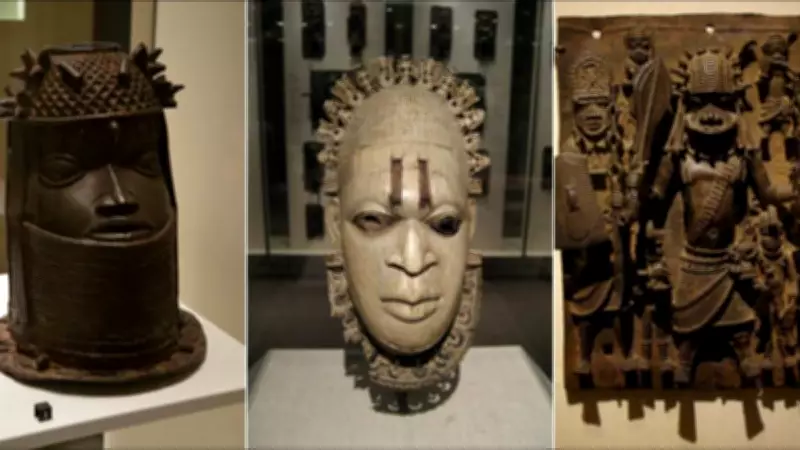
These precious treasures were originally taken from Benin City by British forces in February 1897 during what was known as the 'Punitive Expedition.' This military action was mounted in response to a violent trade dispute that had occurred the previous month. The 116 objects, primarily crafted from brass but also including valuable ivory and wooden sculptures, have been held in the collections of Cambridge's Museum of Archaeology and Anthropology for over a century.
The Formal Transfer Process
The university confirmed in an official statement that it has transferred legal ownership of these artefacts to Nigeria's National Commission for Museums and Monuments. This transfer operates under a management agreement with the Benin Royal Palace, ensuring proper stewardship of these cultural treasures.
This decision followed a formal request from the NCMM made in January 2022 specifically seeking the return of artefacts taken by British armed forces during the sacking of Benin City. The University's Council supported this claim, and authorization from the UK Charity Commission was subsequently granted to facilitate this important repatriation.
Implementation and Display Arrangements
While the physical transfer of the majority of the artefacts will be arranged in due course, seventeen pieces will remain on loan and on display at the Museum of Archaeology and Anthropology for an initial period of three years. This arrangement ensures that museum visitors, students, and researchers can continue to access and study these important cultural objects while Nigeria prepares to receive them.
Broader Context and International Precedents
The University's decision aligns with similar commitments made by other museums in the United Kingdom, United States, and Europe. As one of several UK museums with significant holdings of material taken from Benin in 1897, the Museum of Archaeology and Anthropology has been involved in long-term research and engagement projects in partnership with Nigerian stakeholders.
These partnerships have included representatives from the Royal Court of the Benin kingdom, as well as artists, academics, and students from Nigeria. Museum curators have participated in study and liaison visits to Benin City since 2018, meeting with the Oba, members of the Court, state and federal government leaders, and various cultural representatives.
Statements from Key Figures
Professor Nicholas Thomas, Director of the Museum of Archaeology and Anthropology, expressed that engaging in dialogue with Nigerian colleagues over the last decade has been immensely rewarding. He noted that support has mounted nationally and internationally for the repatriation of artefacts appropriated in the context of colonial violence, and that this return has been keenly supported across the University community.
Olugbile Holloway, Director-General of Nigeria's National Commission for Museums and Monuments, described this development as marking a pivotal point in their dialogue with the Museum of Archaeology and Anthropology. He expressed hope that this action will spur other museums to head in a similar direction.
Holloway emphasized that the return of cultural items represents not just the return of physical objects, but also the restoration of the pride and dignity that was lost when these objects were originally taken. He thanked Nigeria's Minister of Art, Culture, Tourism and the Creative Economy, Hannatu Musawa, for her invaluable support and applauded Cambridge University for taking this step in the right direction.
Looking Forward
This repatriation represents a significant milestone in the ongoing efforts to address historical injustices and restore cultural heritage to its rightful owners. The University of Cambridge has demonstrated leadership in this important area, and Nigerian authorities look forward to welcoming these important cultural artefacts back to their homeland where they can be properly appreciated and studied within their original cultural context.