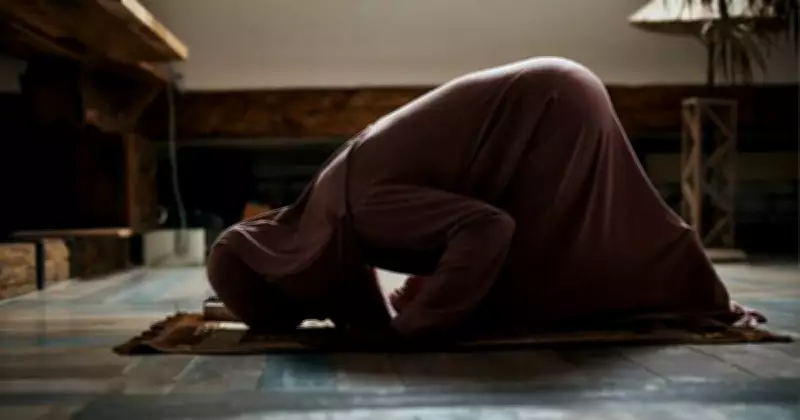
Complete Guide to Performing Tahajjud Prayer During Ramadan
Ramadan represents a sacred period of mercy, forgiveness, and profound spiritual renewal for Muslims worldwide. During this holy month, hearts become more receptive, supplications feel more sincere, and the nighttime carries a unique tranquility. Among the most spiritually significant acts of worship in Ramadan is the Tahajjud prayer, a voluntary night prayer that offers believers a special opportunity to connect with Allah.
Understanding Tahajjud Prayer in Ramadan
Tahajjud prayer is a voluntary night prayer performed after completing the obligatory 'Isha prayer and after sleeping for some portion of the night. This practice forms part of Qiyam-ul-Layl, which encompasses all night prayers, but Tahajjud specifically refers to prayers offered after waking from sleep. During Ramadan, the importance of Tahajjud increases substantially as rewards for voluntary worship multiply, and the final third of the night becomes an especially powerful time for seeking forgiveness and making heartfelt supplications.
Many Muslims combine Tahajjud with Taraweeh prayers during Ramadan. While Taraweeh is typically performed in congregation immediately after 'Isha, Tahajjud is usually conducted individually during the later hours of the night, creating a personal spiritual experience.
The Spiritual Power of Tahajjud During Ramadan
Ramadan is fundamentally the month of the Qur'an, dedicated to seeking forgiveness and salvation. Tahajjud prayer during this period provides multiple spiritual benefits:
- A genuine opportunity to request forgiveness for past transgressions
- A dedicated moment for making sincere and personal supplications
- Peaceful time for self-reflection and spiritual contemplation
- Enhanced connection with the Divine through night worship
- Immense spiritual rewards that multiply during Ramadan
The Prophet Muhammad consistently engaged in night prayers, setting an example for believers to worship while most people sleep. During the final ten nights of Ramadan, Tahajjud becomes particularly meaningful as Muslims seek Laylat al-Qadr, the Night of Decree, which holds greater value than a thousand months of worship.
Optimal Timing for Tahajjud Prayer in Ramadan
For those learning how to perform Tahajjud prayer, understanding the proper timing is essential. The permissible time for Tahajjud begins after 'Isha prayer and extends until Fajr. However, the most spiritually rewarding period is the final third of the night.
To calculate this optimal time:
- Note the exact time of Maghrib prayer
- Note the precise time of Fajr prayer
- Divide the hours between these two prayers into three equal portions
- The final portion represents the ideal time for Tahajjud prayer
For example, if Maghrib occurs at 6:30 PM and Fajr at 5:00 AM, the night spans approximately 10.5 hours. The last 3.5 hours before Fajr would constitute the prime time for Tahajjud worship. Waking during this period can be challenging, especially while fasting, but beginning with just two rak'ahs performed with sincerity carries substantial spiritual reward.
Step-by-Step Guide to Performing Tahajjud Prayer
For those seeking proper guidance on performing Tahajjud prayer, follow these detailed steps:
1. Make a Sincere Intention (Niyyah)
Form the intention in your heart without verbalizing it aloud. Determine that you are waking specifically for Allah's sake to perform Tahajjud prayer during Ramadan.
2. Wake During the Final Third of the Night
When your alarm sounds, avoid repeatedly pressing snooze. Remind yourself of your spiritual purpose. Perform wudu (ablution) to prepare both physically and spiritually for worship.
3. Pray at Least Two Rak'ahs
Tahajjud prayer is performed in sets of two rak'ahs. You may choose to pray:
- 2 rak'ahs
- 4 rak'ahs
- 6 rak'ahs
- 8 rak'ahs or more
There is flexibility in the number. Pray what you can manage with proper focus and humility. After completing each set of two rak'ahs, offer the salaam.
4. Recite Qur'an Thoughtfully and Deliberately
During Tahajjud prayer in Ramadan, attempt to recite longer surahs if possible. If not, shorter surahs are perfectly acceptable. The objective is meaningful reflection rather than rapid recitation. Reciting the Qur'an during this holy month guarantees multiplied rewards compared to other months.
5. Offer Extended and Personal Supplications
After completing your rak'ahs, raise your hands and make sincere dua. This represents one of the most powerful moments of Tahajjud. You may request:
- Forgiveness for previous sins
- Divine guidance and protection
- Success in both worldly and spiritual matters
- Relief from difficulties and hardships
Speak in your native language if necessary. Pour out what resides in your heart with complete sincerity.
6. Conclude with Witr Prayer
If you haven't already performed Witr prayer after 'Isha, conclude your night worship with Witr. This typically consists of one or three rak'ahs and completes your Tahajjud prayer during Ramadan.
Recommended Number of Rak'ahs for Tahajjud
There is no fixed maximum number of rak'ahs for Tahajjud prayer. The Prophet Muhammad often prayed eight rak'ahs of night prayer followed by three rak'ahs of Witr. However, for those new to Tahajjud, beginning with two rak'ahs performed consistently holds greater value than attempting larger quantities sporadically. Gradually increase the number as your spiritual energy and commitment grow.
Practical Tips for Waking for Tahajjud During Ramadan
Waking for night prayer while fasting presents challenges. These practical strategies can help:
- Sleep earlier after completing Taraweeh prayers
- Reduce screen time before bedtime
- Set a gentle but persistent alarm
- Request family members to assist with waking
- Make dua before sleeping asking for assistance in waking
Even if you miss some nights, maintain perseverance and return the following night with renewed intention.
The Transformative Spiritual Impact of Tahajjud
Tahajjud prayer during Ramadan fundamentally transforms the heart. Standing alone in quiet darkness, whispering supplications that only Allah hears, creates profound internal shifts. This practice strengthens reliance on the Divine, lightens burdens of worry, expands hope, and builds:
- Spiritual discipline and consistency
- Genuine humility before the Creator
- Heartfelt gratitude for blessings
- Emotional resilience and strength
- Deeper, more meaningful relationship with Allah
Ramadan passes quickly, with nights slipping away rapidly. Tahajjud allows believers to maximize this sacred time through intimate night worship.
Embrace the Nights of Ramadan Through Tahajjud
Tahajjud prayer during Ramadan represents a precious spiritual gift—an invitation to stand before Allah in the profound stillness of night. Perfect recitation or lengthy surahs are not required; sincere intention and heartfelt worship matter most. This Ramadan, set the intention to wake for Tahajjud at least several times weekly, particularly during the final ten nights when mercy doors open widest.
Rise, perform ablution, pray at least two rak'ahs, then speak to Allah as though engaged in the most important conversation of your existence—because spiritually, you are. The opportunity for transformation awaits in the quiet night hours of Ramadan.