Cambridge University Officially Returns 116 Benin Artefacts to Nigeria
In a landmark decision that has been years in the making, the University of Cambridge has formally transferred legal ownership of 116 looted Benin artefacts to Nigeria's National Commission for Museums and Monuments (NCMM). This historic move, announced on February 9, 2026, represents a legally binding resolution to longstanding discussions and requests for the return of these culturally significant items.
Legal Framework and Transfer Details
The transfer follows a formal request submitted by the NCMM in January 2022 and required approval from the UK Charity Commission, which provided the necessary legal backing under British law. After thorough review, the University's Council supported the transfer, clearing what has historically been a significant hurdle in repatriation efforts.
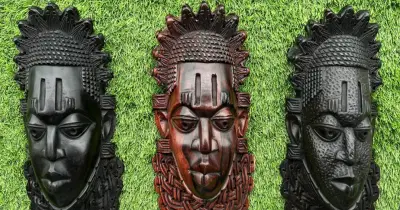
The collection of 116 items, often broadly referred to as the Benin Bronzes, actually encompasses a diverse range of materials. While most objects are crafted from brass, the group also includes valuable ivory and wooden sculptures, showcasing the artistic versatility and technical mastery of Benin artisans during that historical period.
Physical Return and Temporary Loan Arrangement
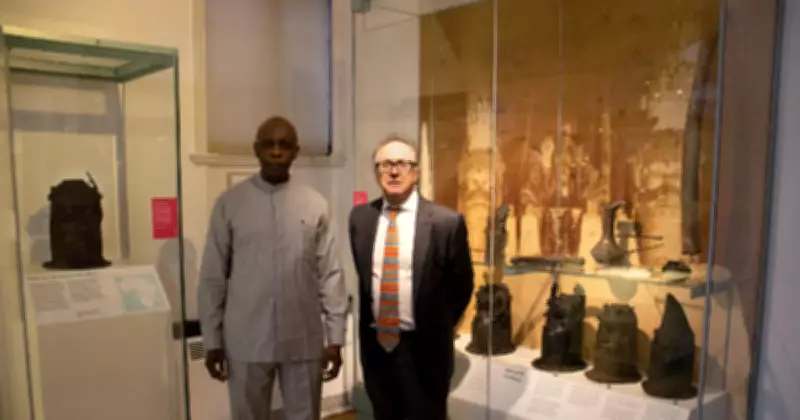
Most of these artefacts will be physically returned to Nigeria once logistical arrangements are finalized. However, in an interesting development, 17 specific pieces will remain at Cambridge's Museum of Archaeology and Anthropology (MAA) on a three-year loan basis.
During this temporary period, these items will continue to be displayed publicly and utilized for educational and research purposes before eventually making their way back to Nigeria. Cambridge University has been transparent about this arrangement, emphasizing that it represents temporary educational access rather than any retention of ownership rights.
Historical Context: The 1897 Punitive Expedition
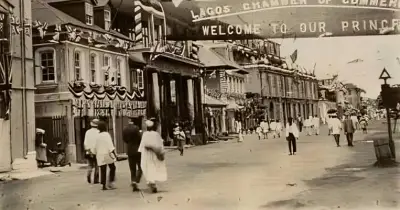
The artefacts were originally taken during the British military attack on Benin City in February 1897, an event commonly known as the "Punitive Expedition." Following a violent trade dispute the previous month, British soldiers looted thousands of artworks and cultural objects after sacking the city.
These stolen items subsequently found their way into museums across the United Kingdom, Europe, and the United States, with Cambridge's MAA being just one of many institutions that have held Benin material taken during that colonial period.
Broader Repatriation Movement
This transfer is not an isolated event but rather part of a growing international pattern. Since 2021, Nigerian authorities have successfully secured the return of several looted artefacts while obtaining commitments for future repatriations.
The Cambridge decision aligns with similar commitments made by museums in the UK, United States, and Europe, reflecting increasing institutional pressure to address how colonial-era collections were acquired. The approval by the UK Charity Commission provides formal legal backing that has often been lacking in previous repatriation attempts.
Years of Collaborative Dialogue
According to university officials, this decision culminates more than a decade of engagement with Nigerian stakeholders. The MAA has been actively involved in research projects and discussions with representatives of the Benin Royal Court, Nigerian academics, artists, and government officials.
Professor Nicholas Thomas, Director of the Museum of Archaeology and Anthropology, described the process as deeply collaborative, noting that "support has mounted, nationally and internationally, for the repatriation of artefacts that were appropriated in the context of colonial violence."
Nigerian Perspective and Significance
The NCMM is operating under a management agreement with the Benin Royal Palace, representing a significant shift in how returned artefacts are being handled and governed. The federal government played a crucial role, with Minister of Art, Culture, Tourism and the Creative Economy Hannatu Musawa acknowledged for helping finalize the process in early 2026.
Olugbile Holloway, Director-General of the NCMM, described the transfer as a turning point, expressing hope that "this will spur other museums to head in a similar direction." He emphasized that the return is not merely about physical objects but about restoring pride and dignity lost during the 1897 looting.
As physical transfers are arranged in the coming months, the Cambridge decision stands as another clear step in a repatriation process that many Nigerians consider long overdue, marking significant progress in the restoration of the nation's cultural heritage.