South Sudanese Man Triumphs in Lavish Dowry Competition to Secure Bride
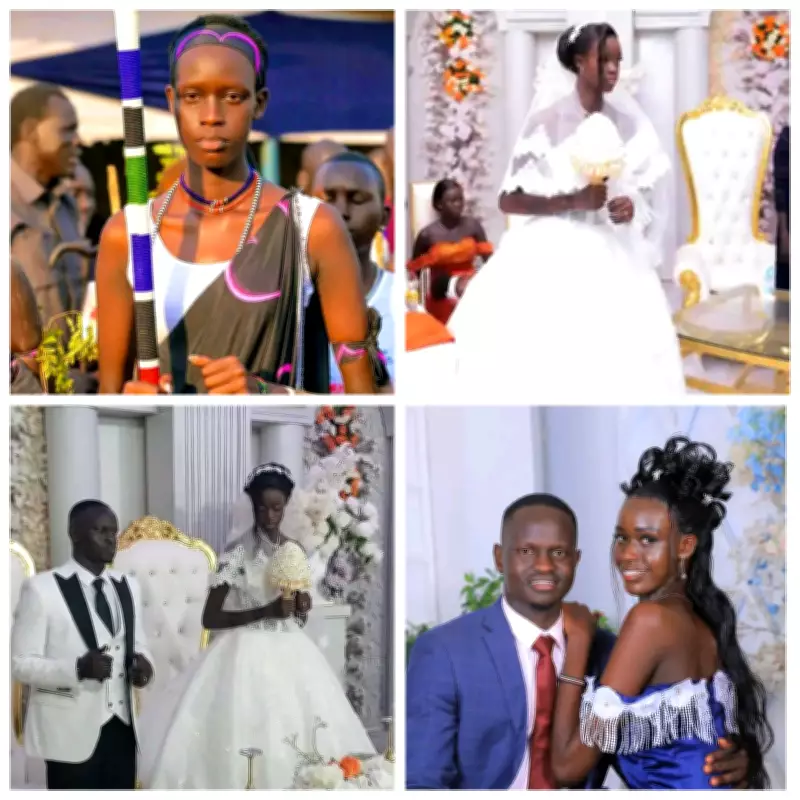
In a remarkable display of cultural tradition and familial commitment, a South Sudanese man has successfully wed his bride after prevailing in an intense dowry competition that captured public imagination. Thon Chol Riak married Atong Aguto Monyroor in a high-profile ceremony on February 1, 2026, concluding months of widespread interest in their courtship journey.
The Stiff Competition Rooted in Dinka Tradition
The marriage process, deeply embedded in Dinka cultural practices, involved public negotiations where families presented substantial dowry offers comprising livestock, cash, land, and other valuable assets. For many South Sudanese communities, marriage represents far more than a union between two individuals; it signifies a bond between families and clans, with cattle holding profound cultural significance tied to honor and social standing.
The competition ignited in December 2025 when two prominent families presented extraordinary bids for the hand of Atong Aguto Pach, immediately drawing national attention. The Awulian community, supporting rival suitor Mabior Abit Biar, reportedly offered an impressive package including 158 cows, 161 goats, and dozens of sheep. Their proposal also featured a town bungalow, seven plots of land in Juba, two vehicles, and approximately KSh 3.2 million ($25,000) in cash.
The Winning Offer That Secured the Bride
However, the Abang community, backing the ultimately successful Thon Chol Riak, presented an even more substantial proposal that ultimately won the day. Their winning bid promised 297 cows and KSh 9.9 million ($77,000) in cash, alongside additional land parcels, other valuable assets, and educational sponsorships for two in-laws. This comprehensive offer demonstrated not only substantial wealth but also long-term commitment to the bride's extended family.
Cultural Celebration and Contemporary Debates
The scale of these extraordinary offers has sparked significant discussion across South Sudan and beyond. Many cultural traditionalists have praised the ceremony as a vibrant display of cultural identity and heritage preservation, celebrating the maintenance of time-honored practices in modern times. The lavish wedding has been viewed as reinforcing social bonds and honoring ancestral customs that define community relationships.
Conversely, some observers have expressed concern about the escalating financial and material expectations surrounding dowry payments in contemporary South Sudanese society. Critics question whether such substantial demands might create barriers to marriage for less affluent families or commercialize what should be primarily a cultural and emotional union. This tension between cultural preservation and modern economic realities continues to shape conversations about marriage traditions in the region.
The wedding of Thon Chol Riak and Atong Aguto Monyroor stands as a testament to the enduring power of cultural traditions in South Sudan, even as it prompts reflection on their evolution in today's socioeconomic context. The event has undoubtedly reinforced the significance of cattle in Dinka culture while highlighting how traditional practices adapt to incorporate modern assets like cash, real estate, and educational opportunities.